Enquête sur le projet
Parlez-nous de votre projet
Partagez le type de produit, l'application, les dimensions, la quantité et la destination de livraison Notre équipe répondra avec des conseils pratiques sur le produit et l'approvisionnement.

Aperçus et guides
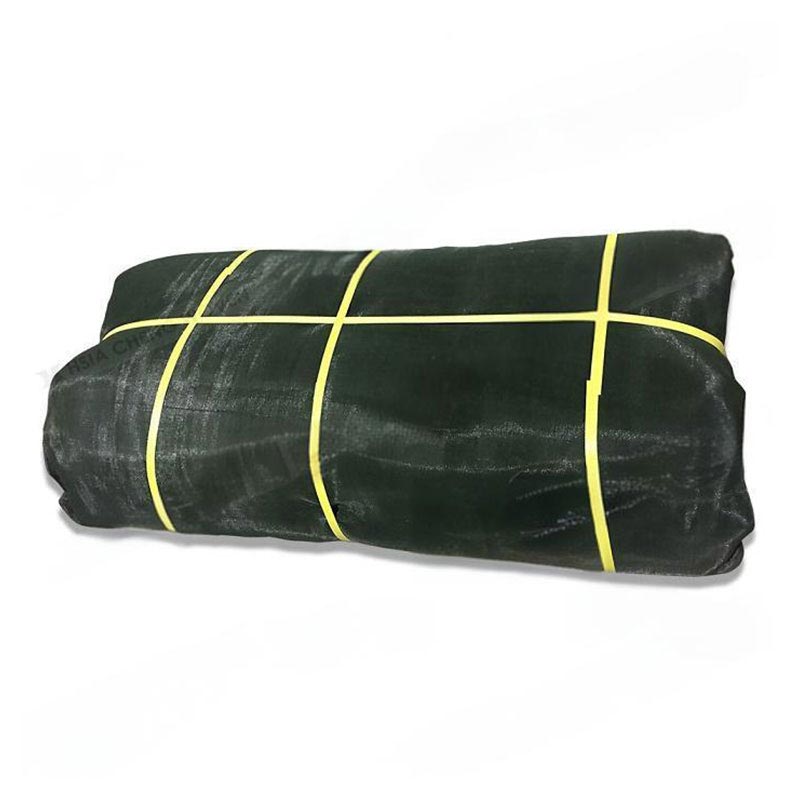
HDPE silo net decisions should start with a protection system that remains practical during farm work. This guide focuses on protecting silage covers from mechanical damage and the information a buyer, site engineer or contractor needs before committing to a material or procedure. The practical question is whether the proposed arrangement fits the actual work, including dimensions, attachments, exposure and routine access. A familiar product name is a starting point for that review, rather than a substitute for the project drawings and acceptance requirements.
Consider a farm comparing material supply with a complete installed arrangement. The immediate discussion is about separate protective and sealing layers, with protect the film during deployment as a related check. For HDPE silo net, these decisions are connected: changing one part of the arrangement can change the evidence needed elsewhere. Resolve the interfaces before the material enters the next operating season, while details can still be revised without disturbing completed work. The following sections explain what to compare, which records to request and where a superficially simple purchase can leave a practical gap.
A silage protection net shields the underlying cover from some mechanical exposure, while the sealing film has a different role in limiting air entry. Specify those layers separately and show how they are handled together.
A net with visible openings should not be described as an airtight cover. Review the condition of the film before adding the protective layer, because concealing a damaged seal makes later inspection more difficult.
For HDPE silo net, request a cover-layer arrangement and film inspection. Use it to resolve the risk of treating a protective net as an airtight sealing film before the next activity begins. Keep the accepted basis available to the team carrying out this part of the work.
Remove sharp debris and inspect equipment that will touch the cover system. Dragging a net, ballast bag or tool across the sealing layer can create damage unrelated to the net material itself.
Coordinate the deployment sequence and keep edges controlled in wind. A protective product works best when its installation method preserves the layer it is meant to protect. Record damage and repair the sealing layer before the cover is put back into service.
The HDPE silo net review should produce a deployment method and sealing-film repair record. This makes the decision about protect the film during deployment traceable and helps prevent dragging abrasive material across the sealing film. Agree who prepares the evidence and who reviews it before work proceeds.
Review the surfaces that touch the net, bags and sealing film. Corners on temporary equipment, rough ties and exposed sharp fittings can cause localized wear.
Use only compatible accessories and handling methods within the approved arrangement. If a replacement accessory changes the contact area or loading, inspect the surrounding material after the first use. The system should preserve the protective function through ordinary operations instead of depending on staff avoiding every unguarded contact.
A useful checkpoint for HDPE silo net is a cover-accessory contact review. Check that it describes the actual proposed arrangement. If the package still depends on introducing a sharp accessory into the cover arrangement, return that point for clarification before accepting the corresponding work.
Reinforced edges and handling points should be checked separately from the central net fabric. Repeated pulling or folding can affect these local areas even when the main panel remains serviceable.
Compare the delivered edge construction with the approved sample and instructions. The operating method should use the intended handling points. Do not add improvised holes or ties that introduce concentrated loading without reviewing whether the material and edge detail are suitable.
For HDPE silo net, request a edge and handling-point inspection. Use it to resolve the risk of adding improvised attachment holes to a protective net before the next activity begins. Keep the accepted basis available to the team carrying out this part of the work.

Measure the developed cover area and identify edges, overlaps and the access route for daily operations. The supplied net size should support practical deployment without forcing staff to stretch a small panel across the pile.
Include room for securing the protective layers as the cover system requires. Keep net dimensions separate from the dimensions of the silo floor so the purchase quantity reflects the actual covered shape.
The HDPE silo net review should produce a developed cover dimensions and access plan. This makes the decision about plan silo dimensions and access traceable and helps prevent ordering net area from silo floor dimensions alone. Agree who prepares the evidence and who reviews it before work proceeds.
Plan how staff will move netting and ballast as the silage face advances. Keep clean cover materials separate from muddy access routes and avoid leaving equipment where it can damage the film.
The arrangement should permit the remaining material to be protected again after access. Ask the operating team to review the proposed net and bag sizes, because a theoretically efficient panel can be impractical for the people who handle it every day.
A useful checkpoint for HDPE silo net is a daily access and re-covering procedure. Check that it describes the actual proposed arrangement. If the package still depends on selecting panel sizes without considering routine handling, return that point for clarification before accepting the corresponding work.
Plan filled-bag handling around the actual workers, travel distance and frequency of movement. A long bag that is easy to position when empty can become awkward once filled.
Review handles, closures and the available handling method together. If the operating team changes the intended fill amount, reassess the placement arrangement rather than assuming the original ballast layout remains equivalent. The order should identify the configuration that was reviewed with the farm team.
For HDPE silo net, request a filled-bag handling assessment. Use it to resolve the risk of choosing an empty-bag size without reviewing loaded handling before the next activity begins. Keep the accepted basis available to the team carrying out this part of the work.
Inspect where rainwater collects around the covered pile and ballast. The cover and bag arrangement should not conceal standing water or damaged film from routine checks.
Keep the ground access route workable and prevent muddy handling from contaminating stored covers. Where the bag instructions address drainage or fill moisture, follow that basis. Do not assume that a bag intended for one fill condition will behave identically when its contents become saturated.
The HDPE silo net review should produce a wet-weather inspection and fill-condition review. This makes the decision about water around ballast material traceable and helps prevent ignoring water accumulation around cover edges. Agree who prepares the evidence and who reviews it before work proceeds.
Choose a storage area that keeps cleaned material away from sharp objects, pests and unnecessary moisture. Fold or roll panels in accordance with the product guidance and avoid burying needed items beneath unrelated equipment.
Inspect bags before storing fill or closures for reuse. Storage should preserve both condition and accessibility. A tightly packed store may save floor area while increasing damage when a large net must be removed quickly.
A useful checkpoint for HDPE silo net is a clean storage and retrieval arrangement. Check that it describes the actual proposed arrangement. If the package still depends on packing reusable covers against sharp or contaminated equipment, return that point for clarification before accepting the corresponding work.
Compare HDPE silo net proposals on a common basis. The table below connects the principal decisions in this guide to the evidence that should support them. It is an assessment framework, not a claim that a particular product or installation has already passed these checks.
| Décision | Preuves à comparer | Écart à résoudre |
|---|---|---|
| Separate protective and sealing layers | Cover-layer arrangement and film inspection | Treating a protective net as an airtight sealing film |
| Protect the film during deployment | Deployment method and sealing-film repair record | Dragging abrasive material across the sealing film |
| Check contact with cover accessories | Cover-accessory contact review | Introducing a sharp accessory into the cover arrangement |
| Inspect reinforced net edges | Edge and handling-point inspection | Adding improvised attachment holes to a protective net |
Suppose two offers use the same HDPE silo net keyword but describe different arrangements. One includes a cover-layer arrangement and film inspection, while the other provides only a general description. Ask the second supplier to clarify the same requirement before treating the offers as equivalent. Then compare protect the film during deployment and check contact with cover accessories on the agreed basis. This hypothetical example illustrates the review sequence; it does not assign a passing result to either offer.
Pour la discussion technique, examiner le HDPE Silo Net product page et le famille de produits connexes. Use those pages to identify the material or equipment being discussed, then send the actual application, drawing and required evidence for confirmation. The HDPE silo net purchase description should preserve any project-specific conditions that remain subject to technical review.
Pour une lecture complémentaire, consulter le FAO guidance on ensiling crop residues. Use the relevant publication within its stated scope and check the applicable edition. The HDPE silo net submittal still needs evidence for the proposed product and project; an external reference is not a certificate or approval of this shipment.
Send Taiji your HDPE silo net application and the current drawings, along with the required quantity, delivery destination and planned construction or operating sequence. Include the questions raised by protecting silage covers from mechanical damage, especially the cover-layer arrangement and film inspection and deployment method and sealing-film repair record. A clear brief helps the team discuss a suitable supply configuration and the documentation needed for your review.
Start with a protection system that remains practical during farm work. For the topic covered here, prioritize separate protective and sealing layers and request a cover-layer arrangement and film inspection. The decision should fit the actual application rather than depend on the product name alone.
Request a deployment method and sealing-film repair record and a cover-accessory contact review. Keep the proposed product or equipment identity visible so the records can be related to the delivered goods and intended method. Ask for clarification where those records describe different conditions.
Use common scope, property definitions and project assumptions. Compare inspect reinforced net edges alongside plan silo dimensions and access, and resolve missing evidence before relying on a price difference. Similar wording in two quotations does not establish equivalent arrangements.
Avoid treating a protective net as an airtight sealing film. Also check for selecting panel sizes without considering routine handling. These issues concern how the product or procedure is used, so reviewing the installation or operating sequence is as important as checking the supplied description.
Send the application, relevant drawing, quantity or work area, location and intended schedule. Add the information needed for manual handling of filled ballast bags and water around ballast material. State any required test evidence so the response can address the actual project scope.
Soutien de projet
Parlez-nous de l'application, des exigences matérielles et de la destination de livraison Nous vous répondrons par des conseils pratiques sur les produits.