Проектное расследование
Расскажите нам о своем проекте
Поделитесь типом продукта, применением, размерами, количеством и местом доставки. Наша команда ответит практическим руководством по продукту и поставкам.

Информация и руководства
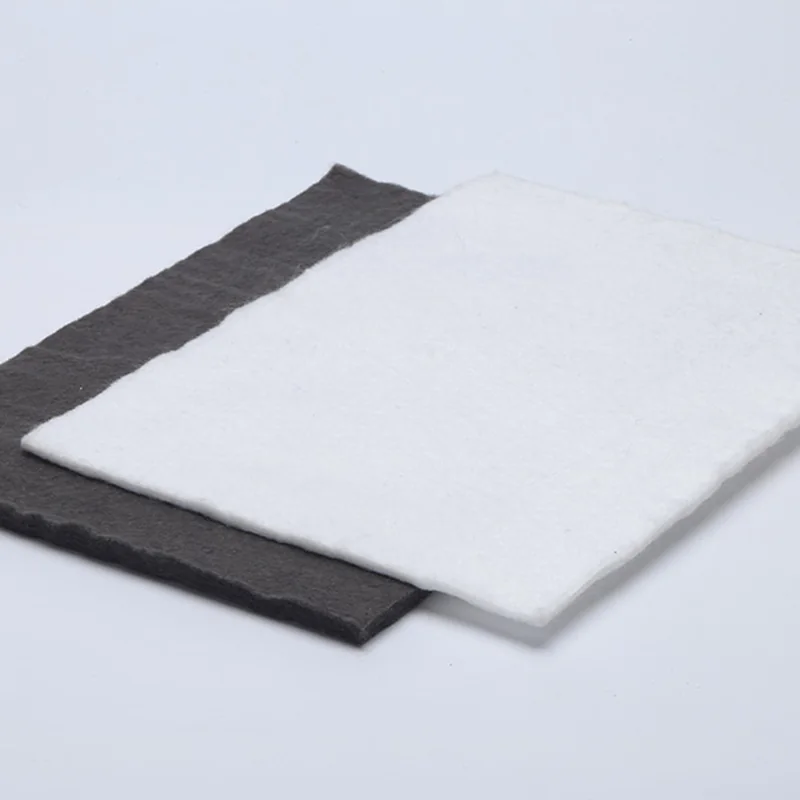
geotextile decisions should start with the specified separation, filtration or protection function. This guide focuses on separating soil functions before specification and the information a buyer, site engineer or contractor needs before committing to a material or procedure. The practical question is whether the proposed arrangement fits the actual work, including soil contact, material properties, joints and cover placement. A familiar product name is a starting point for that review, rather than a substitute for the project drawings and acceptance requirements.
Consider a road section crossing soils with different grading. The immediate discussion is about define the required function, with soil retention and openings as a related check. For geotextile, these decisions are connected: changing one part of the arrangement can change the evidence needed elsewhere. Resolve the interfaces before the fabric is buried beneath the next layer, while details can still be revised without disturbing completed work. The following sections explain what to compare, which records to request and where a superficially simple purchase can leave a practical gap.
Start by stating whether the fabric must separate soil layers, retain soil during filtration, drain water, provide protection or contribute reinforcement. One product may perform several functions, but each function needs appropriate evidence.
A fabric selected for separation is not automatically a structural reinforcement. Keep the design function visible in the specification and ask the supplier to connect each proposed property to that function instead of relying on a general-purpose product description.
Request a function-to-property schedule. Use it to resolve the risk of assuming all geotextile functions are interchangeable before the next activity begins. Keep the accepted basis available to the team carrying out this part of the work.
A filter must retain the relevant soil fraction while allowing the intended flow. Provide representative soil grading and discuss the expected hydraulic conditions.
Opening-size results should be interpreted with their test method and the soil-filter design approach. Choosing the smallest available opening can increase clogging concerns without producing a better system. Where soil behavior is uncertain, a compatibility assessment or representative test is more informative than comparing fabric names alone.
The review should produce a soil grading and filter compatibility review. This makes the decision about soil retention and openings traceable and helps prevent selecting the finest opening without reviewing clogging. Agree who prepares the evidence and who reviews it before work proceeds.
A gsm value helps identify a fabric grade and check production consistency. It does not by itself define tensile performance, puncture resistance or filtration behavior.
Compare products at the same test basis and ask which functional requirements the selected grade must meet. If a specification gives only a mass, clarify the missing performance criteria before purchase. Otherwise a heavier product may be accepted despite lacking the property that matters to the installation.
A useful checkpoint is a mass tolerance plus functional property requirements. Check that it describes the actual proposed arrangement. If the package still depends on using fabric mass as the sole acceptance property, return that point for clarification before accepting the corresponding work.
Прочность ткани может различаться в машинном и поперечном направлениях. установочные чертежи должны определять, где направление имеет значение, особенно когда ориентированы нагрузки или швы.
Сравнивайте значения испытаний с тем же методом, на основе образца и сообщенным направлением. результаты захвата и растяжения на широкой ширине не следует рассматривать как эквивалентные количества. высокий номер брошюры теряет практическое значение, когда команда проекта не может установить, как испытуемый образец относится к установленному рулону.
Запросить данные о направленном растяжении и ориентации крена Используйте его для разрешения риска сравнения значений прочности различных методов испытаний до начала следующего мероприятия. Сохраняйте принятую основу доступной для команды, выполняющей эту часть работы.
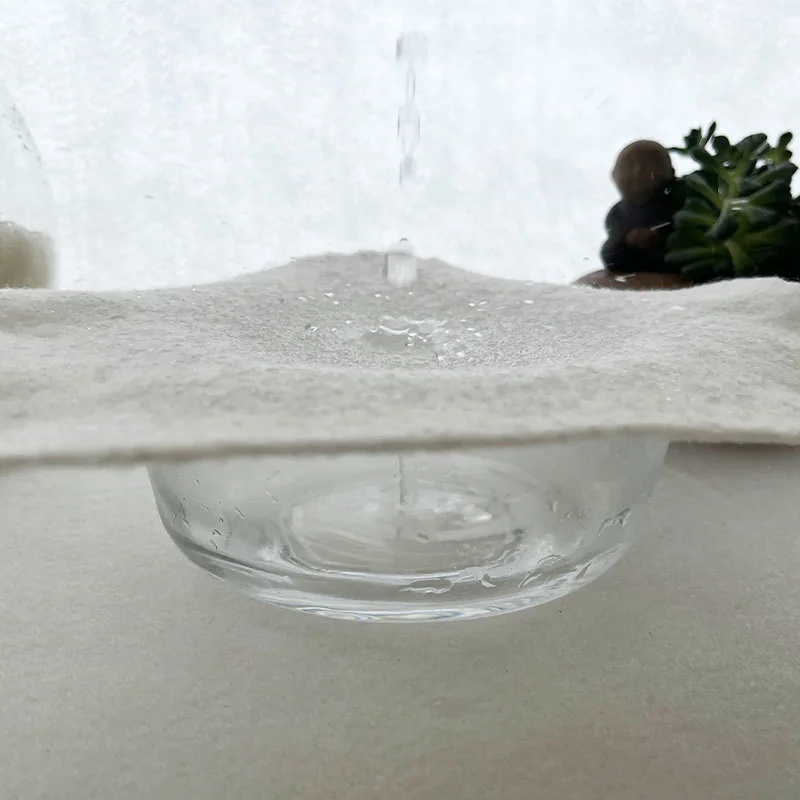
Непрерывные описания нитей и штапельных волокон идентифицируют различные структуры сырья. Сравните фактические испытанные сорта и их предполагаемое использование, а не предполагайте, что одна конструкция выигрывает в каждом применении.
Уточнить смолу, процесс волокна и идентификацию рулона в заказе. где конструкция нуждается в определенном гидравлическом или механическом свойстве, сохранить это требование независимо от этикетки конструкции. это позволяет покупателю отличить подлинную функциональную эквивалентность от замены, основанной только на наименовании.
The review should produce a fiber construction and grade identification. This makes the decision about filament and staple fibers traceable and helps prevent approving a fiber-type substitution without property review. Agree who prepares the evidence and who reviews it before work proceeds.
Identify the polymer used in the proposed fabric and describe the soil chemistry, water chemistry and exposure conditions. A polymer family is useful screening information, but service compatibility also depends on the specific product and conditions.
Discuss unusual alkalinity, chemicals, heat or long exposure with the technical team. Avoid transferring a general material statement to every grade without evidence. Keep the agreed exposure assumptions with the product submittal for later review.
A useful checkpoint is a polymer declaration and exposure conditions. Check that it describes the actual proposed arrangement. If the package still depends on assuming all fiber polymers suit the same chemical environment, return that point for clarification before accepting the corresponding work.
Определите перекрытия или требования к шитью на основе функции проектирования, условий грунта и метода размещения. Перекрытие, практичное на устойчивой плоской поверхности, может быть трудно поддерживать на мягком грунте или склоне.
Оставьте место для осмотра перед покрытием. отметьте любые чувствительные к направлению валки и договоритесь, как будут отремонтированы поврежденные соединения. не публикуйте один универсальный размер перекрытия, как если бы он подходил для каждой установки разделения, фильтра и усиления.
For geotextile, request a joint detail and inspection hold point. Use it to resolve the risk of using one overlap dimension for every function before the next activity begins. Keep the accepted basis available to the team carrying out this part of the work.
Select roll dimensions around the work area, available handling equipment and joint layout. A wider roll can reduce joints but may be difficult to position on a narrow bench or in a trench.
Calculate cut lengths and identify unavoidable offcuts before ordering. Keep supplied roll area distinct from the area effectively installed after joints and detailing. This makes quotations more comparable and reduces the risk of running short during a critical construction stage.
The geotextile review should produce a roll schedule and developed-area takeoff. This makes the decision about roll dimensions and cutting traceable and helps prevent ordering solely from the plan area. Agree who prepares the evidence and who reviews it before work proceeds.
Compare proposed substitutions against the original function and every relevant property. Use a side-by-side table with common test methods and units.
A substitute should not be approved merely because its gsm, color or polymer matches. Identify which report belongs to which product and ask the designer to resolve any difference that affects the assembly. Keep the approval with the purchasing record so the site does not receive a different unreviewed grade.
A useful checkpoint for geotextile is a property-by-property substitution review. Check that it describes the actual proposed arrangement. If the package still depends on approving equivalence from product mass and color, return that point for clarification before accepting the corresponding work.
Compare geotextile proposals on a common basis. The table below connects the principal decisions in this guide to the evidence that should support them. It is an assessment framework, not a claim that a particular product or installation has already passed these checks.
| Решение | Доказательства для сравнения | Разрыв, который нужно решить |
|---|---|---|
| Define the required function | Function-to-property schedule | Assuming all geotextile functions are interchangeable |
| Soil retention and openings | Soil grading and filter compatibility review | Selecting the finest opening without reviewing clogging |
| Масса на единицу площади | Mass tolerance plus functional property requirements | Using fabric mass as the sole acceptance property |
| Направления растяжения | Данные о направленном растяжении и ориентации валков | Сравнение значений прочности по различным методам испытаний |
Suppose two offers use the same geotextile keyword but describe different arrangements. One includes a function-to-property schedule, while the other provides only a general description. Ask the second supplier to clarify the same requirement before treating the offers as equivalent. Then compare soil retention and openings and mass per unit area on the agreed basis. This hypothetical example illustrates the review sequence; it does not assign a passing result to either offer.
Для технического обсуждения ознакомьтесь с Filament Nonwoven Geotextile product page и семейство сопутствующих товаров. Use those pages to identify the material or equipment being discussed, then send the actual application, drawing and required evidence for confirmation. The geotextile purchase description should preserve any project-specific conditions that remain subject to technical review.
Для дальнейшего чтения обратитесь к Индекс спецификаций Геосинтетического института. Use the relevant publication within its stated scope and check the applicable edition. The geotextile submittal still needs evidence for the proposed product and project; an external reference is not a certificate or approval of this shipment.
Send Taiji your geotextile application and the current drawings, along with the required quantity, delivery destination and planned construction or operating sequence. Include the questions raised by separating soil functions before specification, especially the function-to-property schedule and soil grading and filter compatibility review. A clear brief helps the team discuss a suitable supply configuration and the documentation needed for your review.
Start with the specified separation, filtration or protection function. For the topic covered here, prioritize define the required function and request a function-to-property schedule. The decision should fit the actual application rather than depend on the product name alone.
Request a soil grading and filter compatibility review and a mass tolerance plus functional property requirements. Keep the proposed product or equipment identity visible so the records can be related to the delivered goods and intended method. Ask for clarification where those records describe different conditions.
Use common scope, property definitions and project assumptions. Compare tensile directions alongside filament and staple fibers, and resolve missing evidence before relying on a price difference. Similar wording in two quotations does not establish equivalent arrangements.
Avoid assuming all geotextile functions are interchangeable. Also check for assuming all fiber polymers suit the same chemical environment. These issues concern how the product or procedure is used, so reviewing the installation or operating sequence is as important as checking the supplied description.
Send the application, relevant drawing, quantity or work area, location and intended schedule. Add the information needed for overlaps and seams and roll dimensions and cutting. State any required test evidence so the response can address the actual project scope.
Поддержка проекта
Tell us about the application, material requirements and delivery destination. We will respond with practical product guidance.