Project Inquiry
Tell Us About Your Project
Share the product type, application, dimensions, quantity and delivery destination. Our team will respond with practical product and supply guidance.

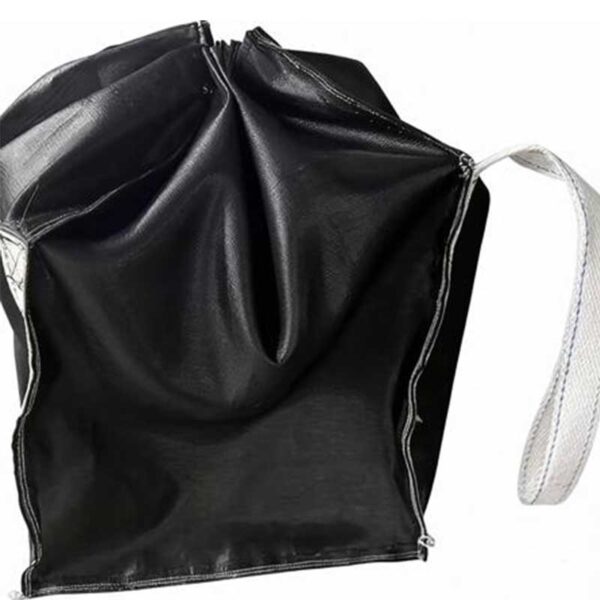
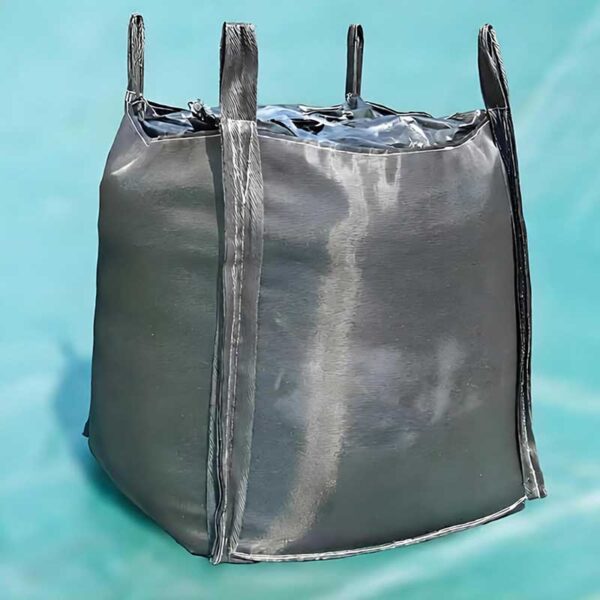
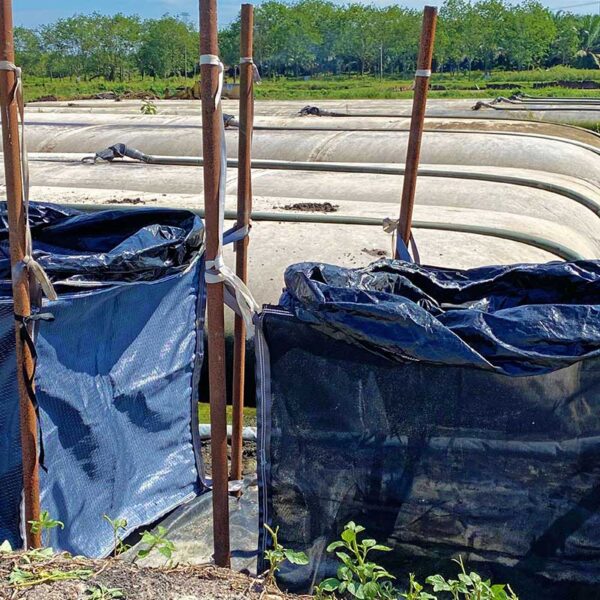
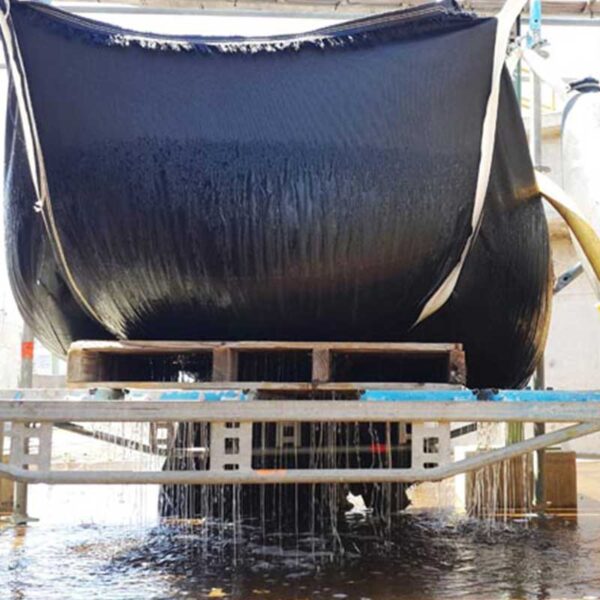
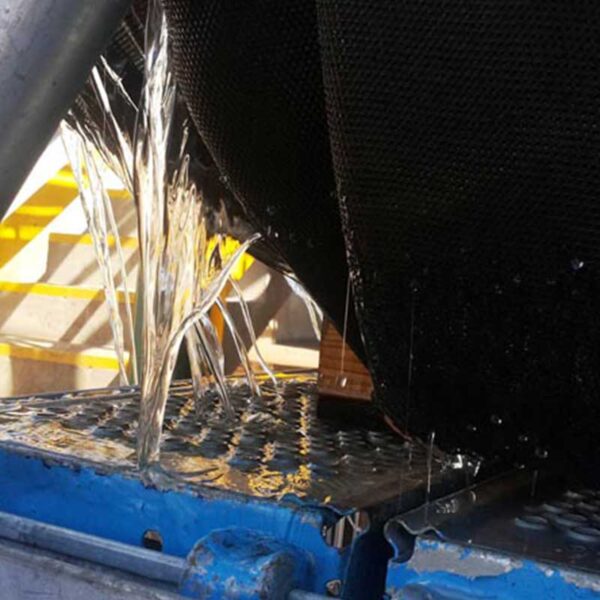
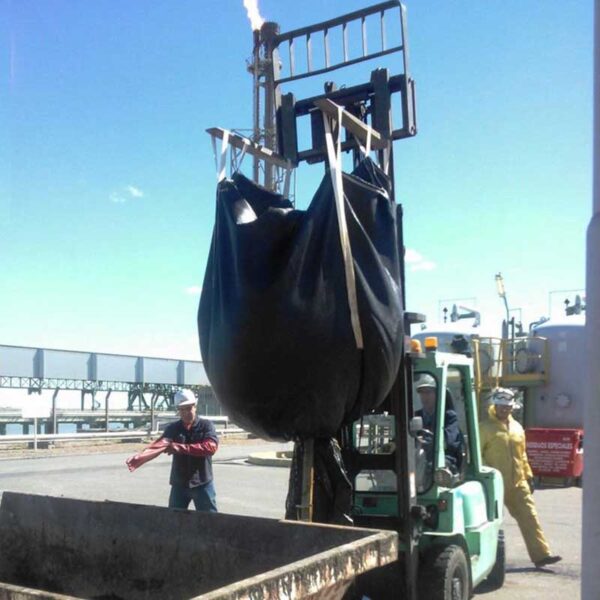
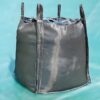
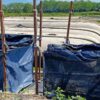
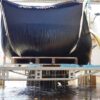
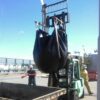
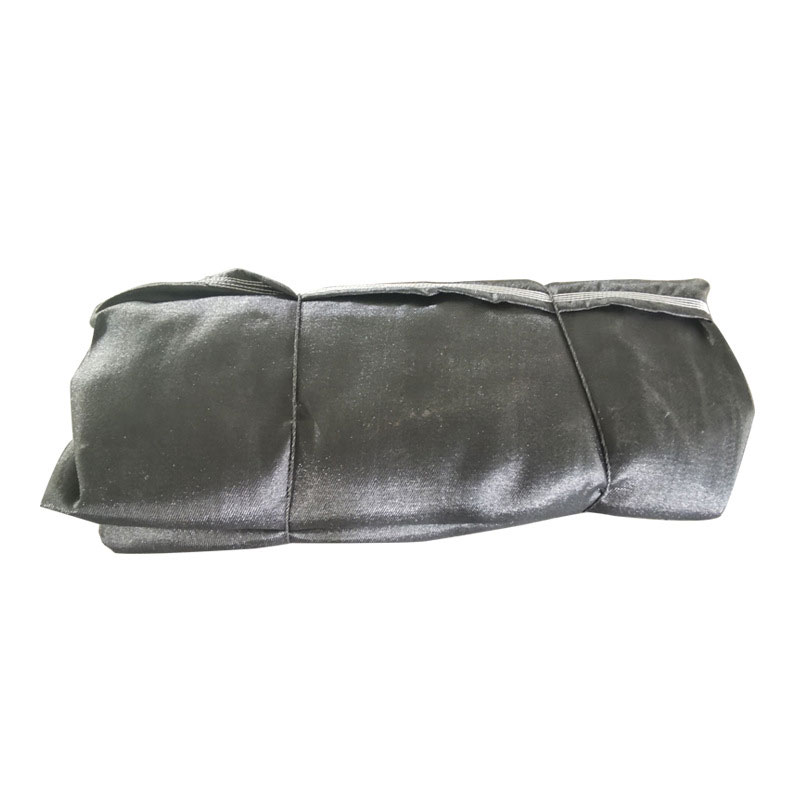
Liftable woven-geotextile container for compact, gravity-driven dewatering of sludge and slurry at small and medium project sites.
The Sludge Dewatering Container is a liftable woven-geotextile unit for small and medium-scale sludge and slurry treatment. The fabric retains suspended solids while filtrate drains by gravity. After dewatering and consolidation, integrated lifting straps allow the contained solids to be moved as one unit, reducing secondary handling at temporary or space-limited sites.
| Item | Configuration |
|---|---|
| Material | High-tenacity woven polypropylene geotextile |
| Nominal volume | 1.7 m³ / 2.2 m³ |
| Maximum safe working load | Up to 3,200 kg; do not exceed the supplied model rating |
| Typical footprint | Approximately 1.2 m × 1.2 m |
| Standard features | Reinforced lifting straps, top closure fabric and tie cord |
| Custom options | Fabric weight, sewing reinforcement and project-specific container dimensions |
Typical uses include municipal sludge, run-off silt, agricultural wastewater solids, mining slurry and dredged sediment. A sample test is recommended for unusual chemistry or particle size.
It is commonly used to improve solids capture and filtrate clarity. Type and dosage should be established by jar testing rather than a fixed universal rate.
Filling can take hours to one or two days, while consolidation may continue for weeks. The actual cycle depends on feed solids, fabric, weather and polymer performance.
No. Lift only after the solids are sufficiently dewatered, the unit is stable and the total load is within the rated safe working load.
Collect it in a designed containment area and test it before reuse or discharge. Uncontrolled run-off should not be allowed.
Share the sludge source, solids concentration, daily volume, site area, lifting method and filtrate requirement.