Project Inquiry
Tell Us About Your Project
Share the product type, application, dimensions, quantity and delivery destination. Our team will respond with practical product and supply guidance.

Composite drainage geonet applications for landfill, tunnel and underground engineering, and roads, railways and airports.
Drainage Applications
High-flow drainage, filtration and protection for environmental, underground and transport infrastructure.
System Functions
An HDPE three-dimensional drainage core creates an open flow path, while bonded geotextile layers filter adjacent soil and protect the system. Core thickness, compressive strength, flow capacity and filter properties are selected for the site loading and water conditions.
Transmits water or gas through a continuous in-plane flow channel.
Allows water to enter while retaining soil and other fine particles.
Prevents adjacent soil and aggregate layers from mixing.
Cushions waterproofing and lining systems from surrounding materials.
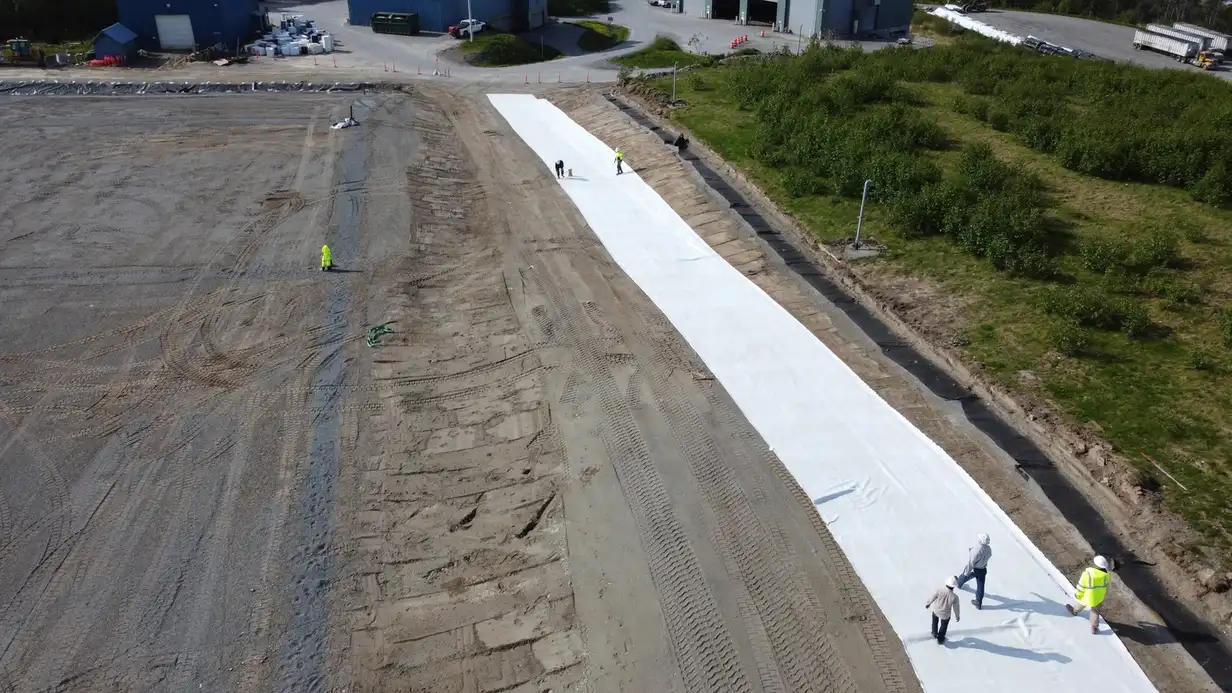
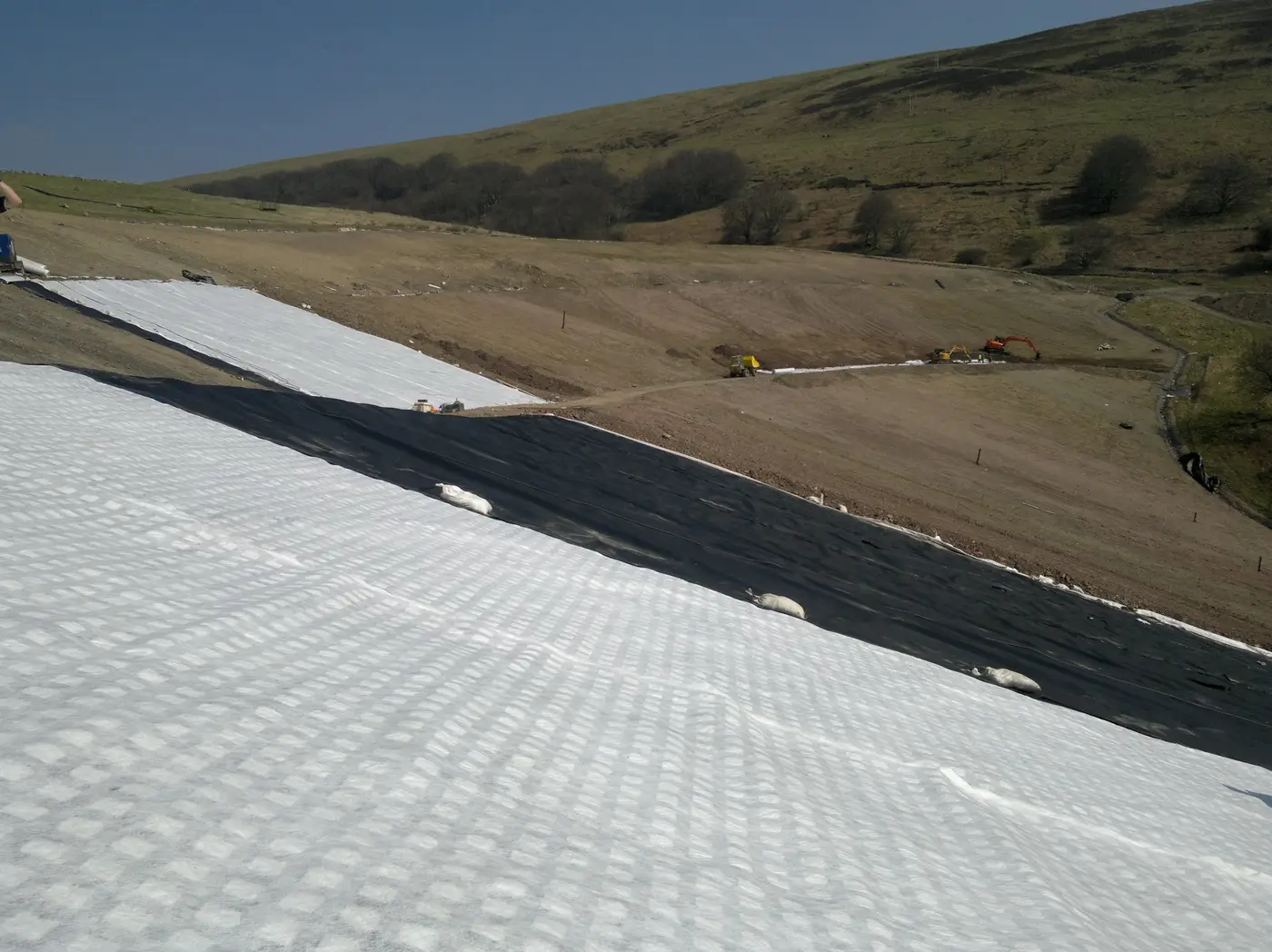
01 / Waste Containment
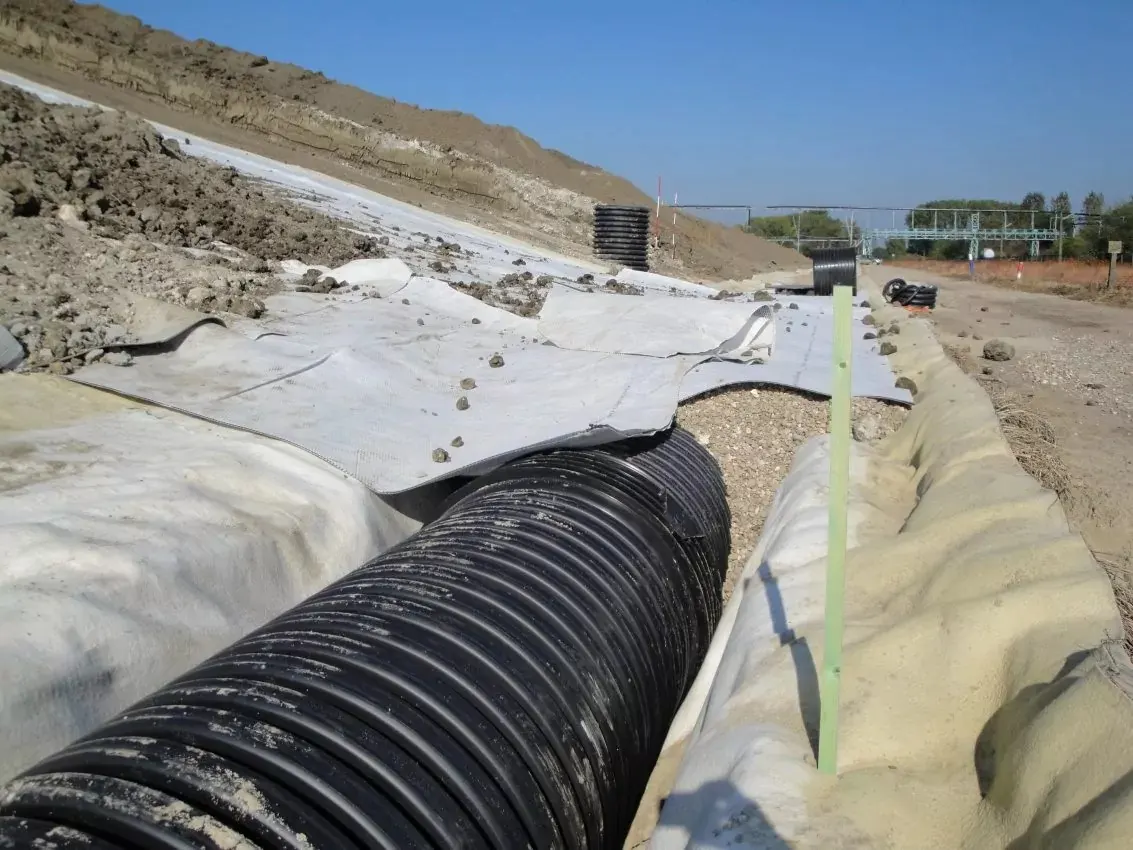
The three-dimensional composite drainage geonet forms a continuous flow path for leachate collection, landfill-gas venting and groundwater protection. Its bonded geotextile filters fine particles to help keep the drainage core open. Compared with a conventional gravel blanket, the lightweight geocomposite installs quickly and provides high in-plane flow in a much thinner layer.
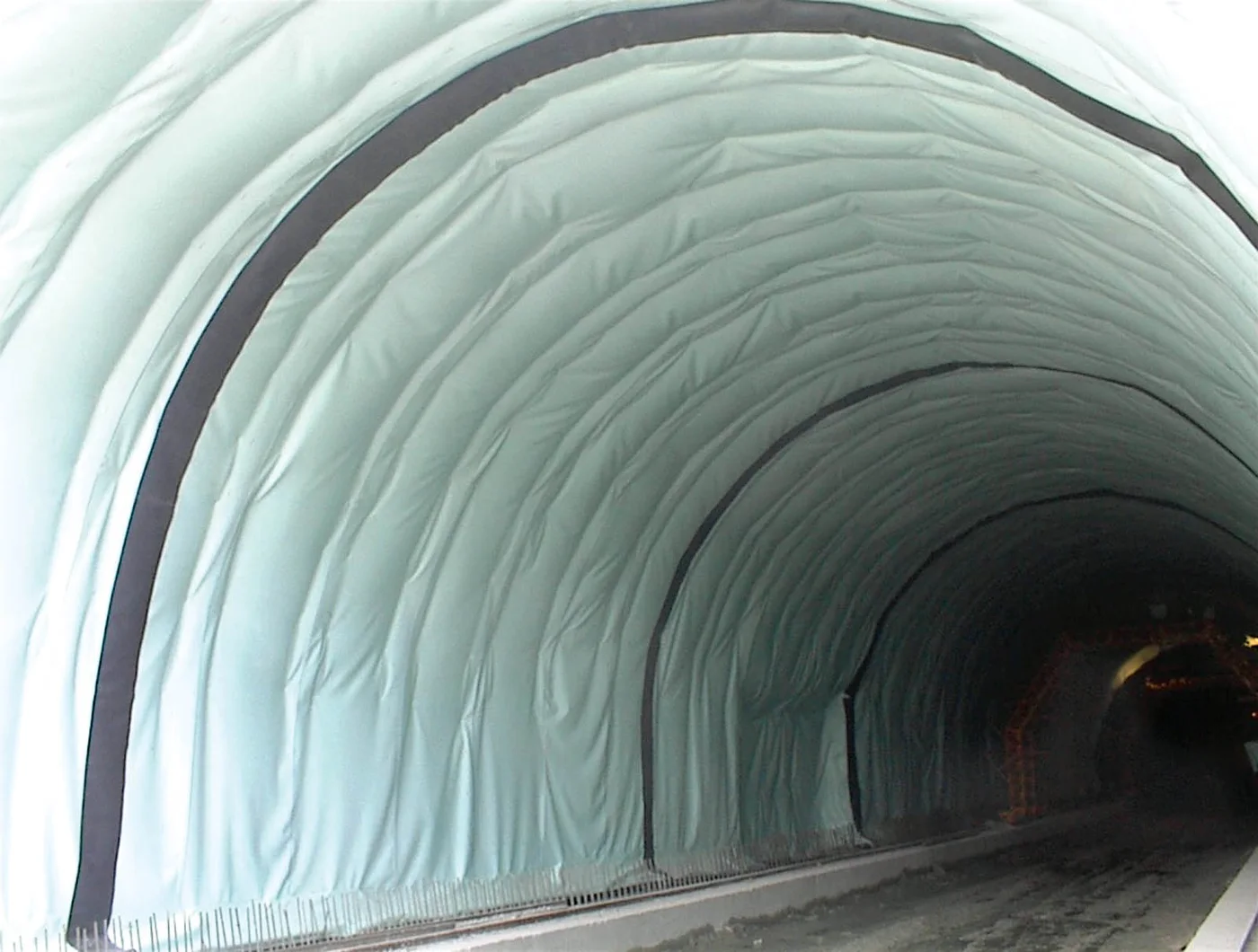
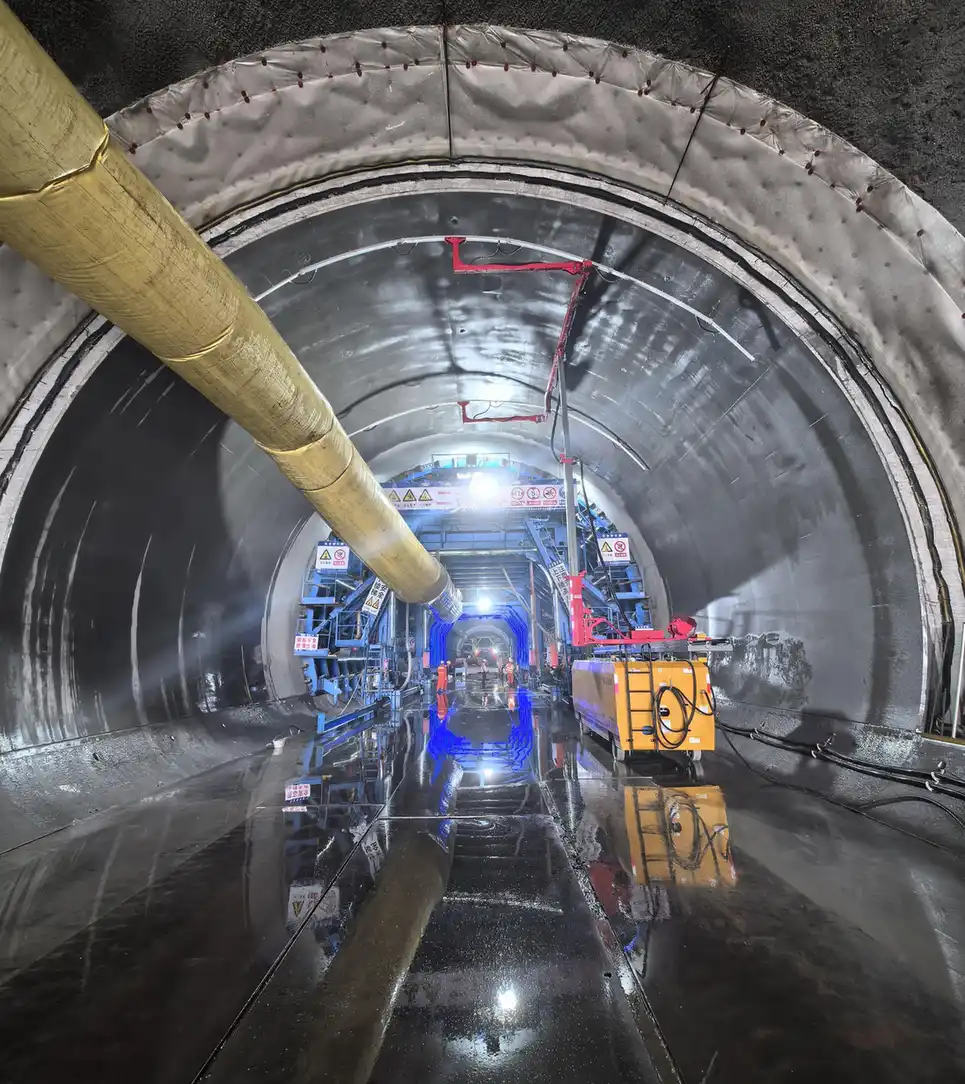
02 / Subsurface Structures
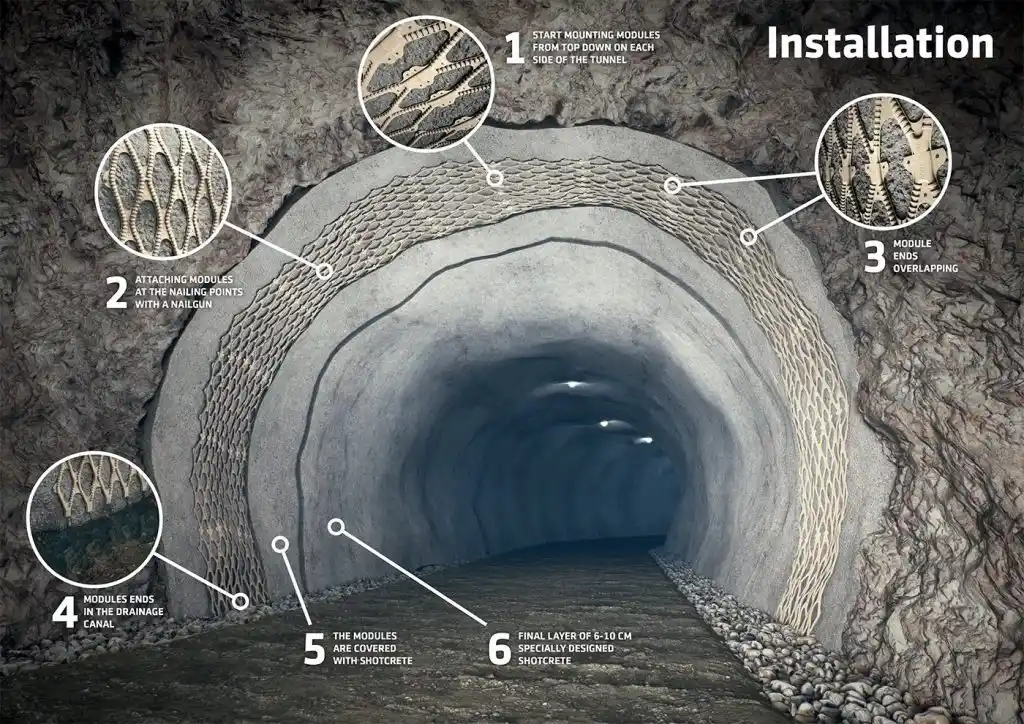
Installed between the rock support, waterproofing membrane and secondary lining, the composite geonet collects fissure seepage and directs it to longitudinal drains and sumps. The compression-resistant core maintains drainage channels behind the lining, while the geotextile filters sand and rock powder to protect the waterproofing system and reduce hydrostatic pressure.

03 / Transport Infrastructure
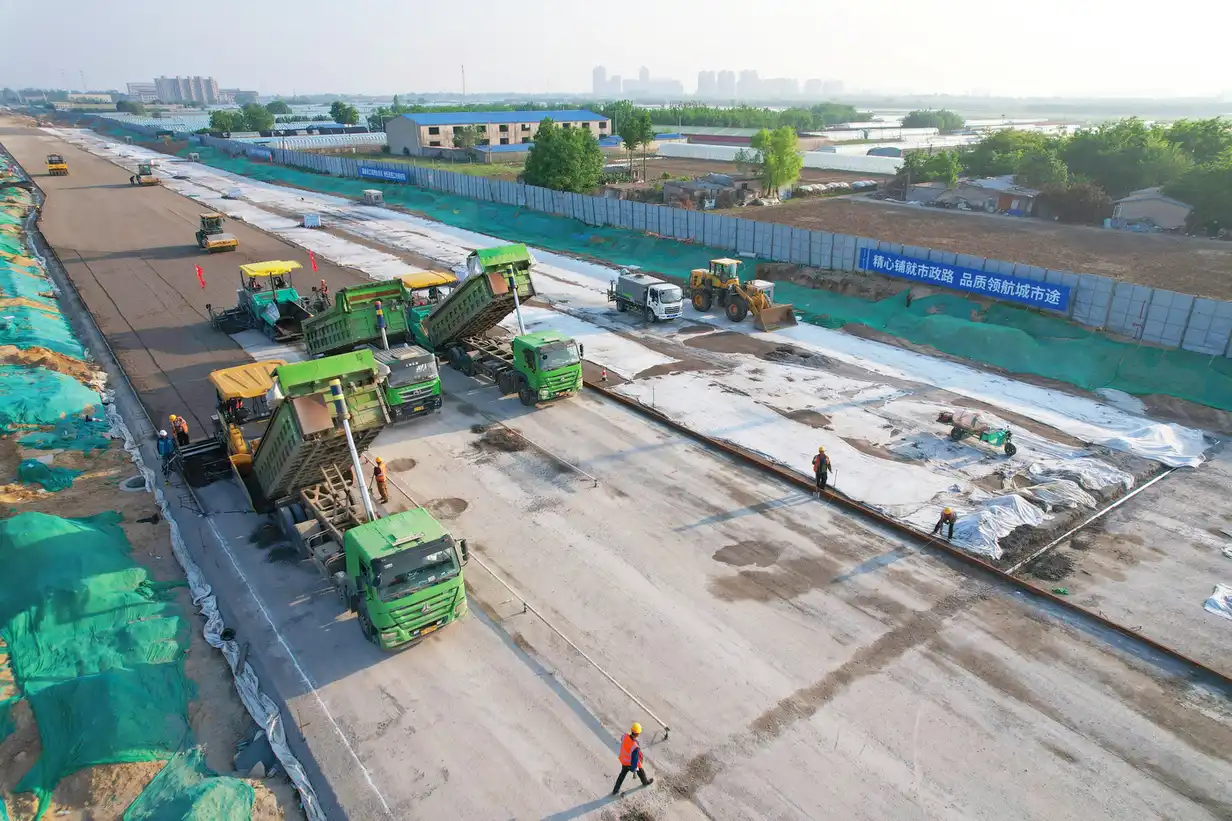
A high-flow HDPE geonet core bonded with geotextiles on both sides combines filtration, drainage and protection beneath transport infrastructure. It helps control water in highway subgrades and pavement layers, beneath railway subgrade or ballast, and under airport runways and aprons, reducing moisture-related softening, pumping, frost damage and differential settlement.
Selection Priorities
Long-term drainage depends on more than initial flow capacity. The core and geotextile must remain compatible with the design pressure, gradient, surrounding soil and installation conditions.
Size the in-plane transmissivity for the design gradient, expected inflow and boundary conditions.
Confirm the core retains adequate thickness and flow under sustained project loading.
Match opening size and permeability to the adjacent soil to limit migration and clogging.
Project Support
Share the application, layer build-up, design pressure, expected flow, slope, soil properties and required service life. Our team will recommend a suitable core and filter configuration.