Enquête sur le projet
Parlez-nous de votre projet
Partagez le type de produit, l'application, les dimensions, la quantité et la destination de livraison Notre équipe répondra avec des conseils pratiques sur le produit et l'approvisionnement.

Aperçus et guides
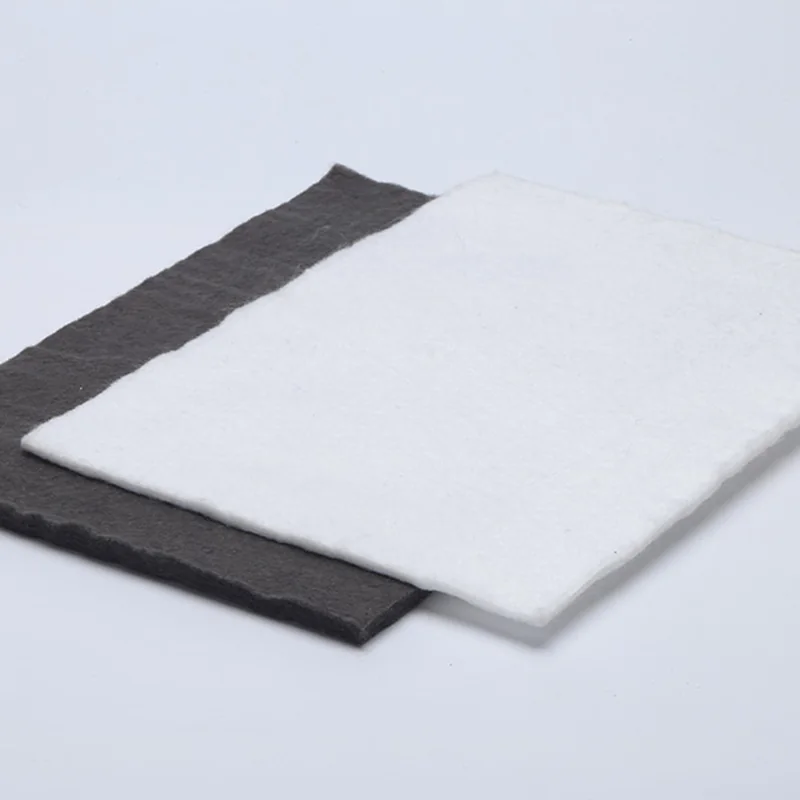
nonwoven geotextile decisions should start with the specified separation, filtration or protection function. This guide focuses on matching nonwoven fabric to protection needs and the information a buyer, site engineer or contractor needs before committing to a material or procedure. The practical question is whether the proposed arrangement fits the actual work, including soil contact, material properties, joints and cover placement. A familiar product name is a starting point for that review, rather than a substitute for the project drawings and acceptance requirements.
Consider a site comparing woven and nonwoven grades for a defined function. The immediate discussion is about tensile directions, with woven construction as a related check. For nonwoven geotextile, these decisions are connected: changing one part of the arrangement can change the evidence needed elsewhere. Resolve the interfaces before the fabric is buried beneath the next layer, while details can still be revised without disturbing completed work. The following sections explain what to compare, which records to request and where a superficially simple purchase can leave a practical gap.
Fabric strength can differ between the machine and cross-machine directions. Installation drawings should identify where direction matters, especially when loads or seams are oriented.
Compare test values with the same method, specimen basis and reported direction. Grab and wide-width tensile results should not be treated as equivalent quantities. A high brochure number loses practical meaning when the project team cannot establish how the tested sample relates to the installed roll.
Request a directional tensile data and roll orientation. Use it to resolve the risk of comparing strength values from different test methods before the next activity begins. Keep the accepted basis available to the team carrying out this part of the work.
Woven fabrics use an organized yarn structure that influences openings and load direction. Request the relevant product description and properties rather than inferring suitability from a photograph of the weave.
Edge behavior, seam details and roll orientation deserve attention during ordering. A woven filter may serve separation and filtration functions, but reinforcement claims need their own design basis. Keep the intended function clear when comparing a woven product with a nonwoven alternative.
The review should produce a woven construction description and directional data. This makes the decision about woven construction traceable and helps prevent selecting a weave from appearance alone. Agree who prepares the evidence and who reviews it before work proceeds.
Nonwoven construction describes a family of fabric structures rather than a single performance class. Fiber type, bonding process and mass can affect handling and measured properties.
Ask for the proposed product grade and its own report instead of substituting results from another nonwoven in the range. During installation, inspect continuity, contamination and damage. A soft feel may be convenient for handling but does not establish the fabric protection or hydraulic performance.
A useful checkpoint for nonwoven geotextile is a grade-specific nonwoven test report. Check that it describes the actual proposed arrangement. If the package still depends on using tactile softness as proof of cushioning ability, return that point for clarification before accepting the corresponding work.
Protection performance depends on the geotextile, liner, contact material and loading together. Identify the aggregate that will be placed against the fabric and how construction equipment will place it.
A fabric puncture index can support screening but cannot describe every field assembly. Review a representative protection assessment where consequences are significant. Keep the fabric clean and continuous during placement so the selected material is present where the design expects a cushion.
For nonwoven geotextile, request a protection assembly review and placement inspection. Use it to resolve the risk of accepting a cushion from mass or thickness alone before the next activity begins. Keep the accepted basis available to the team carrying out this part of the work.

Continuous filament and staple-fiber descriptions identify different feedstock structures. Compare the actual tested grades and their intended use rather than assuming one construction wins every application.
Clarify resin, fiber process and roll identification in the order. Where the design needs a particular hydraulic or mechanical property, keep that requirement independent of the construction label. This allows a buyer to distinguish a genuine functional equivalence from a substitution based only on naming.
The nonwoven geotextile review should produce a fiber construction and grade identification. This makes the decision about filament and staple fibers traceable and helps prevent approving a fiber-type substitution without property review. Agree who prepares the evidence and who reviews it before work proceeds.
Define overlaps or sewing requirements from the design function, ground conditions and placement method. An overlap that is practical on a stable flat surface may be difficult to maintain on soft ground or a slope.
Leave room for inspection before covering. Mark any direction-sensitive rolls and agree how damaged joints will be repaired. Do not publish one universal overlap dimension as though it fits every separation, filter and reinforcement installation.
A useful checkpoint for nonwoven geotextile is a joint detail and inspection hold point. Check that it describes the actual proposed arrangement. If the package still depends on using one overlap dimension for every function, return that point for clarification before accepting the corresponding work.
Plan the first lift and construction traffic before deploying fabric over weak or irregular ground. Equipment movement can displace the fabric or mix the soils the layer is intended to separate.
Observe the initial placement and adjust the approved method if the actual ground differs from the assumptions. Keep sharp debris away from exposed fabric. The installation method must preserve the design function instead of treating the roll as a surface that can tolerate unrestricted traffic.
For nonwoven geotextile, request a initial fill placement method and ground observation. Use it to resolve the risk of driving directly on unprotected fabric before the next activity begins. Keep the accepted basis available to the team carrying out this part of the work.
Fabric transitions around a collector need continuity without blocking the outlet or exposing a route for soil migration. Coordinate the geotextile with pipe bedding, aggregate and the drainage core where present.
Inspect folds and joints before closing the trench. Confirm how the drain can be maintained if that is part of the facility design. A compliant roll does not compensate for a disconnected collector or a fabric end left open against erodible soil.
The nonwoven geotextile review should produce a collector junction drawing and closure inspection. This makes the decision about drainage collector details traceable and helps prevent leaving an unfiltered soil path at a collector junction. Agree who prepares the evidence and who reviews it before work proceeds.
Inspect the installed layer while it remains accessible. Look for tears, displaced joints, trapped debris and gaps around structures. Record repairs and confirm that subsequent work will preserve them.
Photographs should identify the location and roll or panel where practical. Once a layer is buried, correcting a small continuity defect may require substantial excavation. The pre-cover inspection therefore belongs in the construction sequence rather than being left as an optional final task.
A useful checkpoint for nonwoven geotextile is a pre-cover inspection with located repair records. Check that it describes the actual proposed arrangement. If the package still depends on covering a layer before continuity defects are closed, return that point for clarification before accepting the corresponding work.
Compare nonwoven geotextile proposals on a common basis. The table below connects the principal decisions in this guide to the evidence that should support them. It is an assessment framework, not a claim that a particular product or installation has already passed these checks.
| Décision | Preuves à comparer | Écart à résoudre |
|---|---|---|
| Tensile directions | Directional tensile data and roll orientation | Comparing strength values from different test methods |
| Woven construction | Woven construction description and directional data | Selecting a weave from appearance alone |
| Nonwoven construction | Grade-specific nonwoven test report | Using tactile softness as proof of cushioning ability |
| Puncture protection assembly | Protection assembly review and placement inspection | Accepting a cushion from mass or thickness alone |
Suppose two offers use the same nonwoven geotextile keyword but describe different arrangements. One includes a directional tensile data and roll orientation, while the other provides only a general description. Ask the second supplier to clarify the same requirement before treating the offers as equivalent. Then compare woven construction and nonwoven construction on the agreed basis. This hypothetical example illustrates the review sequence; it does not assign a passing result to either offer.
Pour la discussion technique, examiner le Filament Nonwoven Geotextile product page et le famille de produits connexes. Use those pages to identify the material or equipment being discussed, then send the actual application, drawing and required evidence for confirmation. The nonwoven geotextile purchase description should preserve any project-specific conditions that remain subject to technical review.
Pour une lecture complémentaire, consulter le Index des spécifications de l'Institut géosynthétique. Use the relevant publication within its stated scope and check the applicable edition. The nonwoven geotextile submittal still needs evidence for the proposed product and project; an external reference is not a certificate or approval of this shipment.
Send Taiji your nonwoven geotextile application and the current drawings, along with the required quantity, delivery destination and planned construction or operating sequence. Include the questions raised by matching nonwoven fabric to protection needs, especially the directional tensile data and roll orientation and woven construction description and directional data. A clear brief helps the team discuss a suitable supply configuration and the documentation needed for your review.
Start with the specified separation, filtration or protection function. For the topic covered here, prioritize tensile directions and request a directional tensile data and roll orientation. The decision should fit the actual application rather than depend on the product name alone.
Request a woven construction description and directional data and a grade-specific nonwoven test report. Keep the proposed product or equipment identity visible so the records can be related to the delivered goods and intended method. Ask for clarification where those records describe different conditions.
Use common scope, property definitions and project assumptions. Compare puncture protection assembly alongside filament and staple fibers, and resolve missing evidence before relying on a price difference. Similar wording in two quotations does not establish equivalent arrangements.
Avoid comparing strength values from different test methods. Also check for using one overlap dimension for every function. These issues concern how the product or procedure is used, so reviewing the installation or operating sequence is as important as checking the supplied description.
Send the application, relevant drawing, quantity or work area, location and intended schedule. Add the information needed for aggregate placement and traffic and drainage collector details. State any required test evidence so the response can address the actual project scope.
Soutien de projet
Parlez-nous de l'application, des exigences matérielles et de la destination de livraison Nous vous répondrons par des conseils pratiques sur les produits.