Enquête sur le projet
Parlez-nous de votre projet
Partagez le type de produit, l'application, les dimensions, la quantité et la destination de livraison Notre équipe répondra avec des conseils pratiques sur le produit et l'approvisionnement.

Insights & Guides
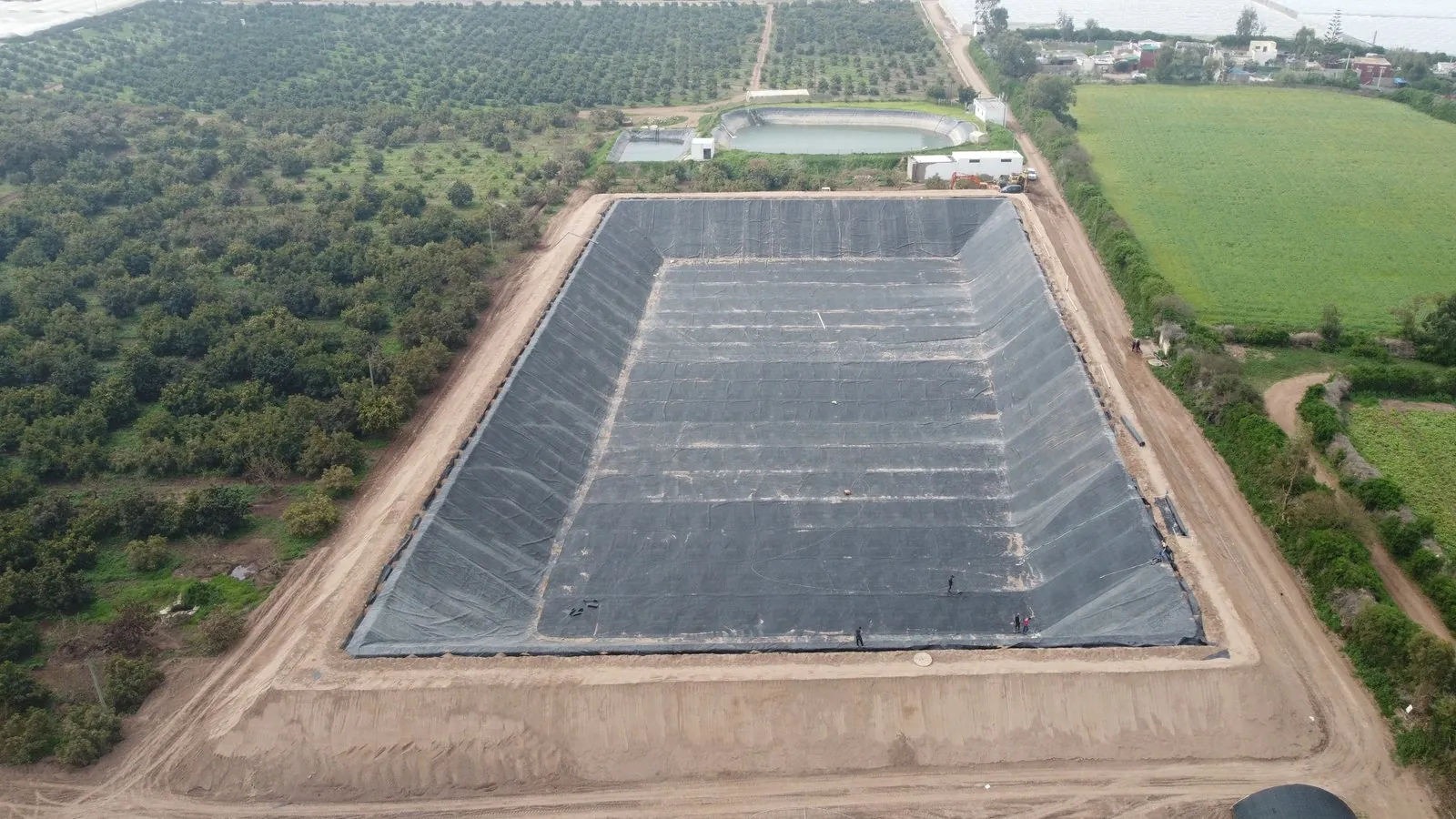
Pond liner thickness affects puncture resistance, durability, installation handling and total project cost. There is no universal best thickness: the correct choice depends on pond size, subgrade condition, water depth, exposure and design life.
A 0.5 mm HDPE liner is light and economical. It can be suitable for temporary water storage, trial ponds or simple short-term applications with a smooth prepared base. Its lower puncture and tear resistance makes careful subgrade preparation and protection especially important.
For many small and medium landscape ponds or storage ponds, 1.0 mm HDPE offers a useful balance of flexibility, installation efficiency and durability. It can withstand normal weathering and minor abrasion when installed on a smooth foundation without sharp debris.
A heavy-duty 2.5 mm liner provides greater resistance to puncture, tearing, high water pressure and difficult subgrades. It is commonly considered for large ponds, deep water, rocky foundations, exposed sites or projects where replacement would be costly.
Thickness should be selected as part of the whole liner system. A protective geotextile, drainage layer, anchorage design and qualified welding plan can be just as important as the membrane gauge.
Even a thick liner can fail if it is dragged across sharp ground, overstressed at anchor trenches or poorly welded. Prepare and inspect the subgrade, minimize wrinkles, allow for temperature changes and test all field seams before the pond is filled.
Use 0.5 mm for carefully controlled temporary work, consider 1.0 mm for many standard ponds, and move toward heavy-duty specifications such as 2.5 mm when the site or design life demands greater protection. Final selection should always be checked against the project specification and site conditions.
Project Support
Tell us about the application, material requirements and delivery destination. We will respond with practical product guidance.