Consulta de proyecto
Cuéntenos sobre su proyecto
Comparta el tipo de producto, aplicación, dimensiones, cantidad y destino de entrega. Nuestro equipo responderá con orientación práctica sobre productos y suministros.
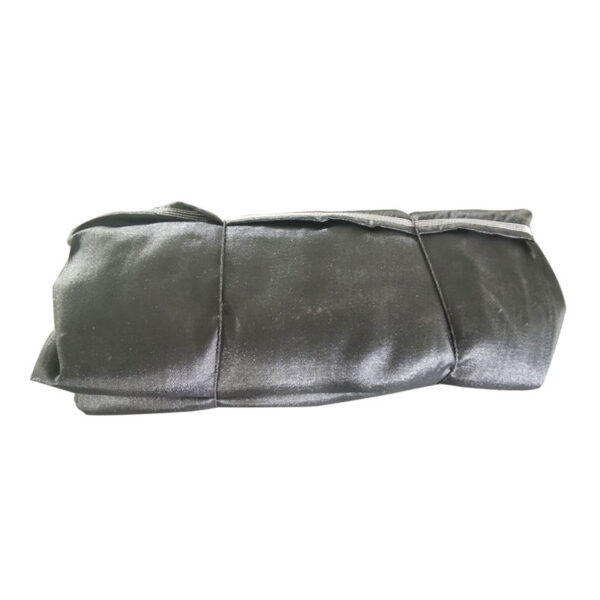
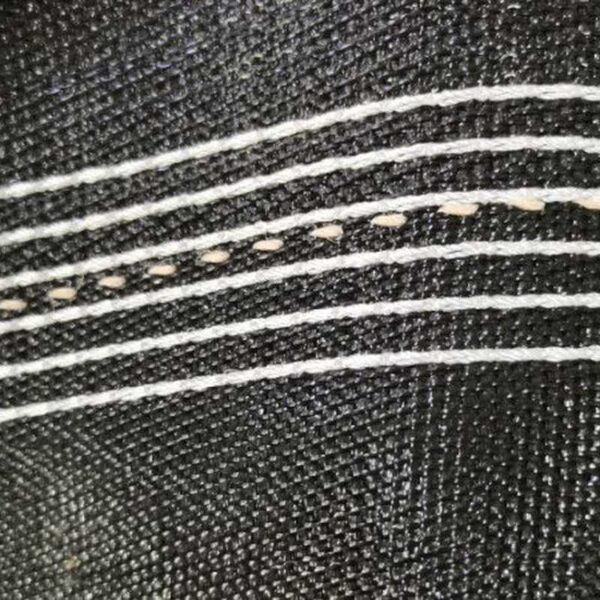
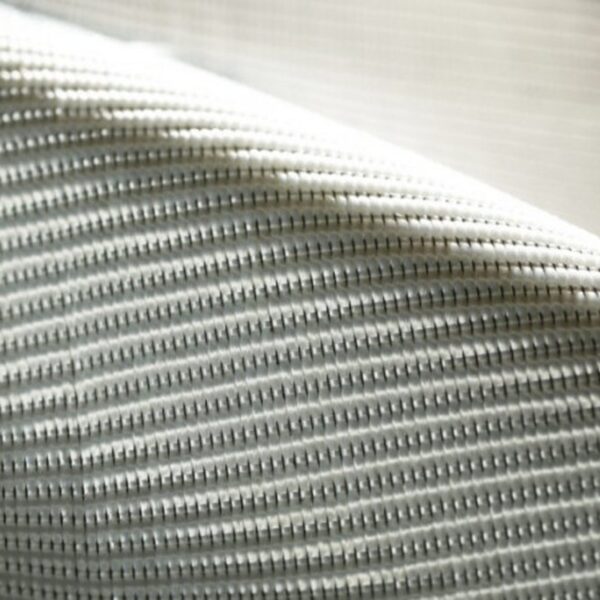
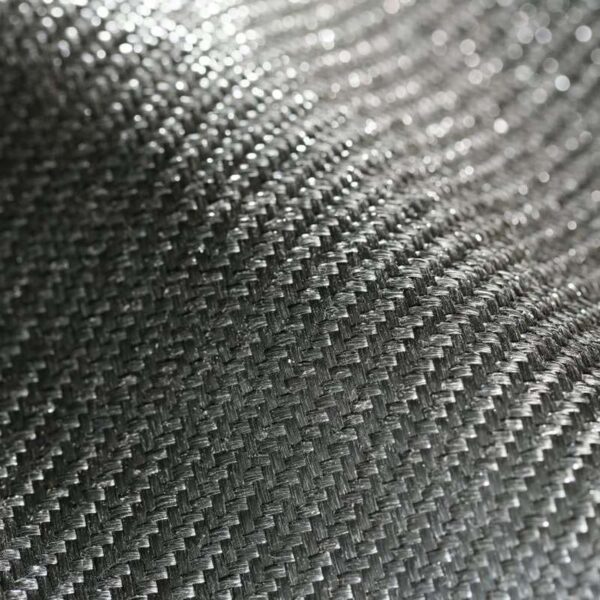
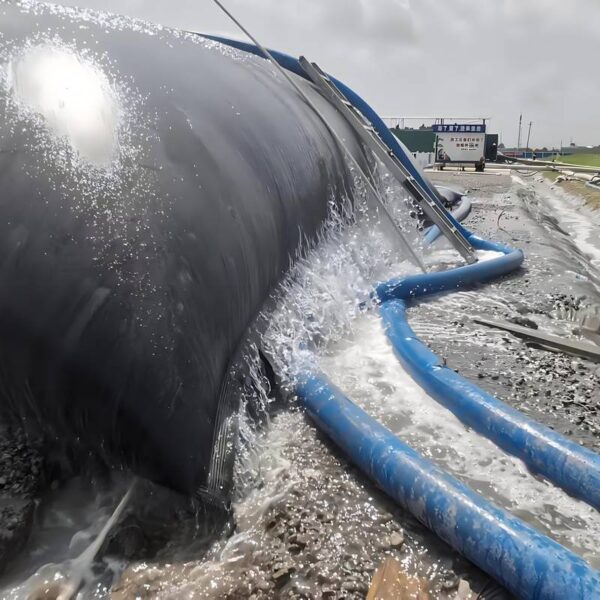
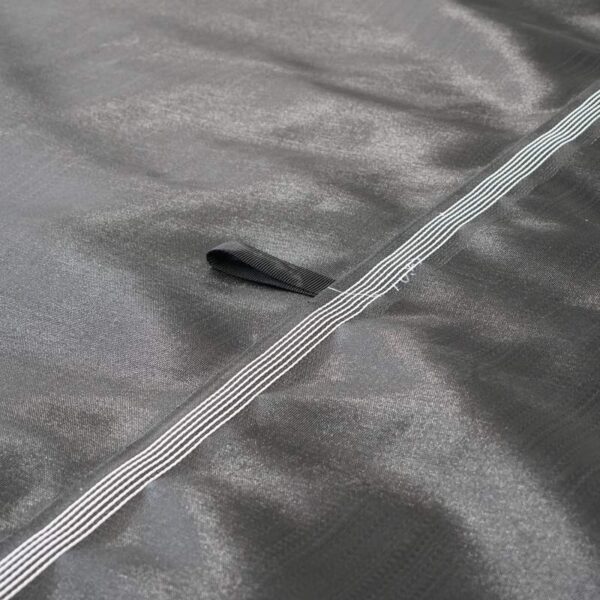
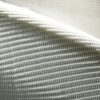
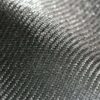
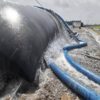
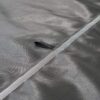
High-strength woven polypropylene geotube for efficient solid-liquid separation, sludge dewatering, cofferdams, dikes, bank protection and dredging projects.
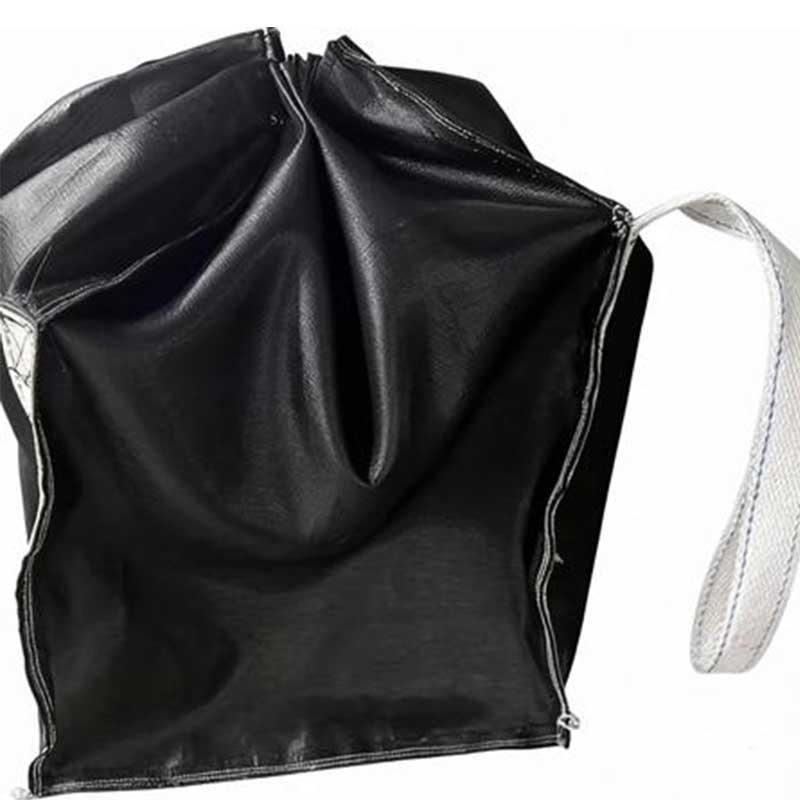
Geotubes are bag-shaped dewatering products woven from high-performance polypropylene monofilament, flat yarn or split-film yarn and fabricated with specialized sewing techniques.
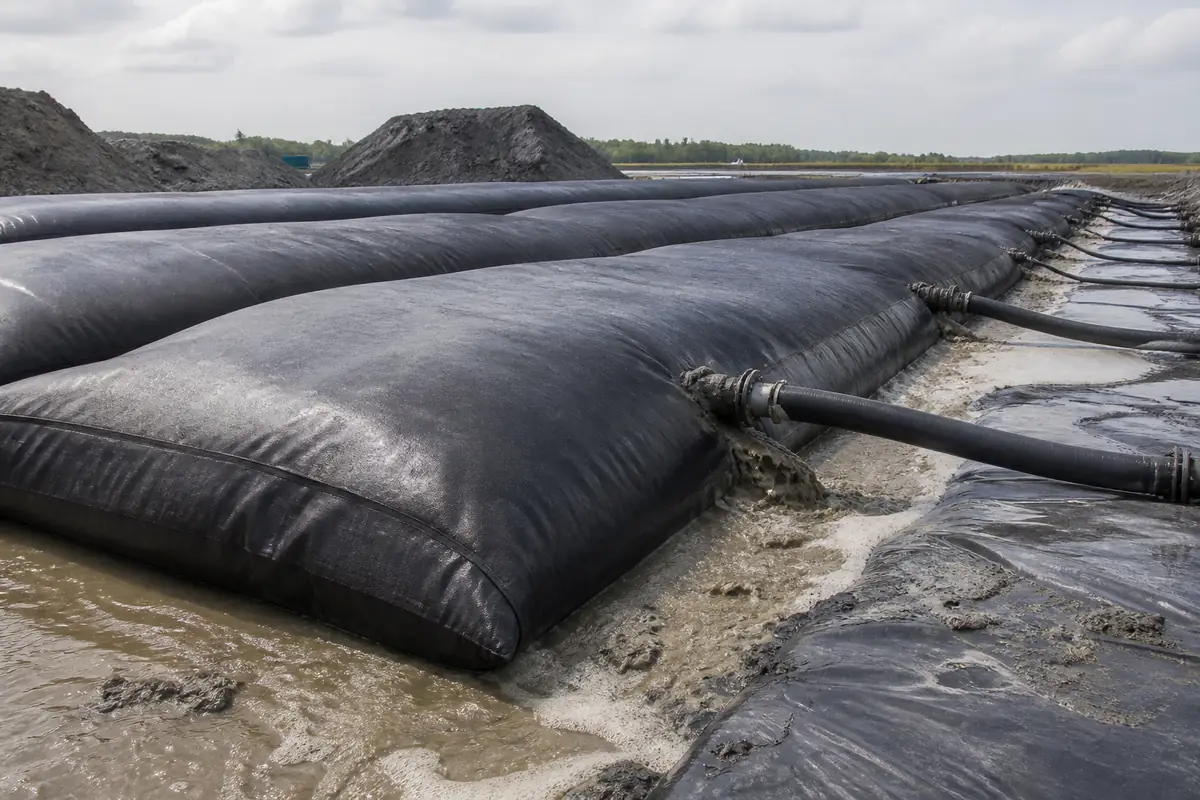
During operation, solid-liquid slurry is pumped into the tube. Water passes through the permeable geotextile while solid particles are retained inside, providing efficient solid-liquid separation.
| Fabric material | Woven polypropylene or polyester geotextile |
|---|---|
| Standard tensile grades | 80, 100, 120, 150 and 200 kN classes available |
| Machine-direction tensile strength | At least 70, 120 or 200 kN/m for the cited 500, 750 and 1000 tube grades |
| Cross-direction tensile strength | At least 90, 120 or 200 kN/m for the cited 500, 750 and 1000 tube grades |
| Apparent opening size O90 | 0.2 to 0.6 mm |
| Seam strength | At least 80 percent of the relevant fabric tensile strength |
| Test reference | ASTM D4595 and project-specific requirements |
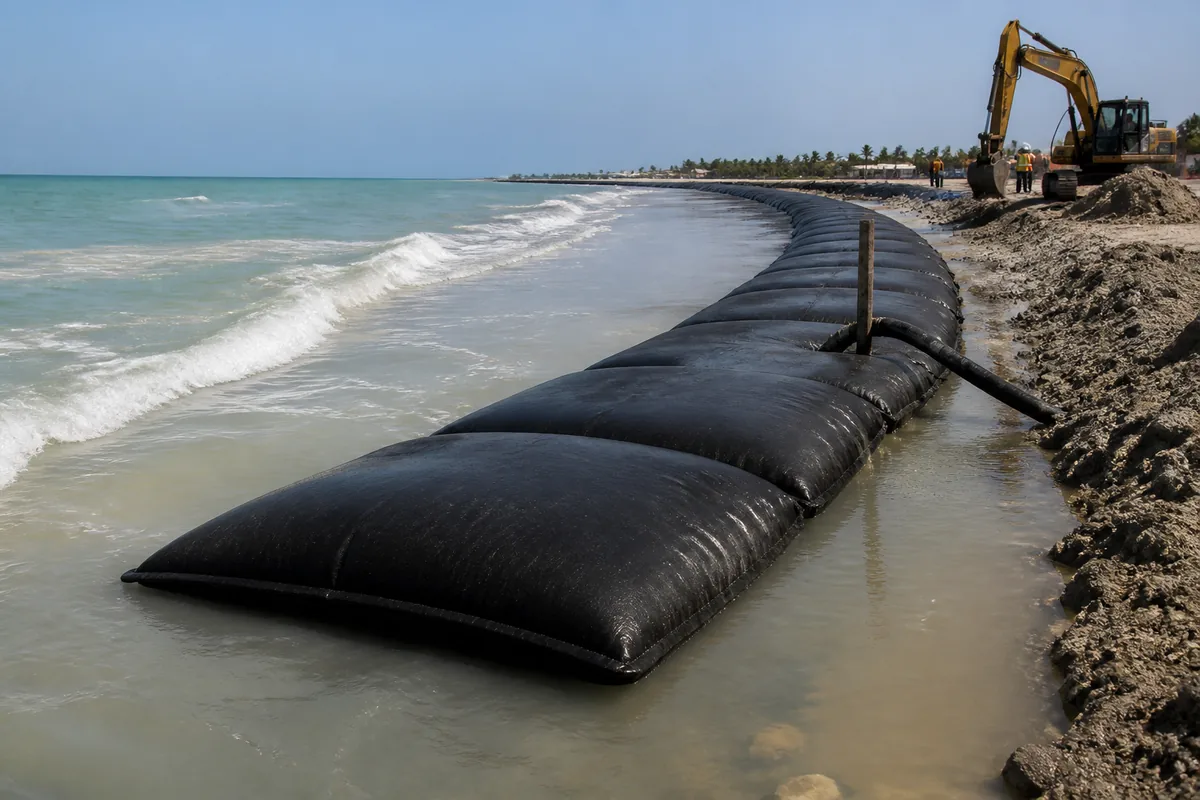
For cofferdams and dikes, geotubes can be filled with sand, soil or dredged silt and placed in layers according to the designed cross-section. For sludge dewatering, conditioned slurry is pumped into the tube until the retained solids reach the required moisture content for subsequent handling.
A geotube is a large tubular unit fabricated from high-strength permeable geotextile. Slurry, sludge, sand, or dredged material is pumped into the tube; water passes through the fabric while solids are retained for dewatering, containment, or hydraulic construction.
A geotube is normally a large engineered tubular system designed for controlled filling, dewatering, containment, and hydraulic loads. A geobag is usually much smaller and is more commonly used for localized erosion control, slope protection, or temporary works.
The standard product uses high-strength woven polypropylene made from monofilament, flat yarn, or split-film yarn and fabricated with specialized seams. Alternative materials or fabric constructions can be evaluated when the project requires different tensile, filtration, UV, or chemical-resistance properties.
Select the tube grade from the design filling pressure, circumference, stacking height, wave or hydraulic loading, foundation conditions, seam efficiency, and required safety factors. The listed Tube 500, Tube 750, and Tube 1000 data provide reference properties, while project-specific strengths and dimensions can be discussed.
UV-stabilized woven fabric can be used outdoors, but service life depends on solar exposure, temperature, abrasion, chemical environment, loading, maintenance, and whether the tube is covered. Durability requirements should be confirmed for the actual project exposure.
The selected apparent opening size and permeability allow water to escape while retaining the target solid particles. Dewatering performance also depends on slurry gradation, solids concentration, filling cycles, pressure, and any conditioning or polymer program used for the material.
Yes. Geotubes are used for municipal sludge, industrial sludge, river sediment, livestock waste, reservoir sediment, and mine tailings. The slurry should be tested so the fabric opening and any chemical conditioning are matched to the solids.
Yes. Tubes filled with suitable sand, soil, or dredged material can form cores or structural units for cofferdams, dikes, erosion control, and coastal works. Tube size, fill quality, scour protection, foundation preparation, and placement sequence must follow an engineered design.
Yes, provided the fabric, seams, filtration characteristics, and chemical resistance are suitable for the tailings. Representative slurry testing is recommended before full-scale filling to confirm solids retention, filtrate quality, and dewatering behavior.
Diameter or circumference, length, fabric grade, tensile strength, apparent opening size, permeability, filling ports, and seam configuration can be adapted to project requirements, subject to engineering review and production capability.
Prepare and level the placement area, position the tube and filling ports, connect the pumping system, and fill in controlled cycles within the permitted pressure. Allow drainage and consolidation between cycles, monitor the tube shape and seams, and complete stacking or protection work according to the method statement.
Rain does not necessarily stop passive dewatering, but storms, high waves, strong currents, extreme winds, or unsafe site conditions can affect filling and placement. Pumping should be paused whenever the approved method statement or site-safety controls require it.
We provide ISO certification, CE certification and third-party test reports for tensile strength, permeability and UV resistance, supporting project bidding and customs clearance worldwide.
We are a professional geotube manufacturer with complete production and testing lines. We provide factory direct price, customized production and stable delivery for large overseas engineering orders.
Free samples are available, customers only need to bear the international courier fee. Samples can be used for project testing, laboratory analysis and bidding documents.
We export to the USA, Australia, Southeast Asia, South America, Africa, the Middle East and other regions, with rich experience in overseas coastal, environmental and mining engineering projects.
Stock orders take 3-7 days, bulk customized orders take 7-15 days. Products are packed with waterproof PP bags for sea freight, moisture-proof and durable for long-distance transportation.
The price is calculated based on material, fabric weight, tensile strength, size and order quantity with no hidden charges. We provide one-on-one professional quotation and technical solutions.
All products are 100% inspected before shipment with quality check lists. We provide free replacement, reshipment or refund for non-human quality problems, plus lifelong technical consultation service.
IN THE FIELD