Consulta de proyecto
Cuéntenos sobre su proyecto
Comparta el tipo de producto, aplicación, dimensiones, cantidad y destino de entrega. Nuestro equipo responderá con orientación práctica sobre productos y suministros.

Geotextile project applications with complete image galleries for six engineering fields.
Geotextile Applications
Reinforcement, separation, filtration and drainage solutions for civil and environmental engineering.
Material Functions
Geotextile selection starts with the required function, subgrade condition, water movement, installation damage risk and design life. The correct structure and polymer are then matched to the project.
Distributes loads and restrains lateral soil movement to improve structural stability.
Prevents aggregate and fine soil layers from mixing and preserves designed layer thickness.
Allows water to pass while retaining soil particles and limiting internal erosion.
Creates a controlled path for pore water and helps reduce damaging water pressure.
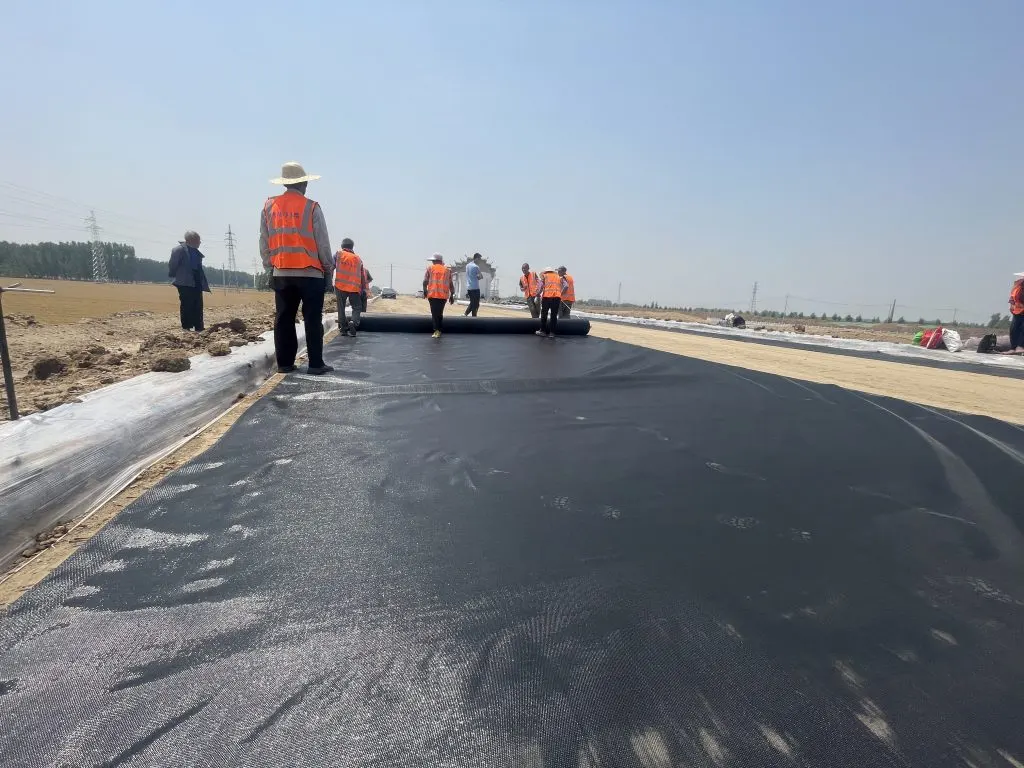
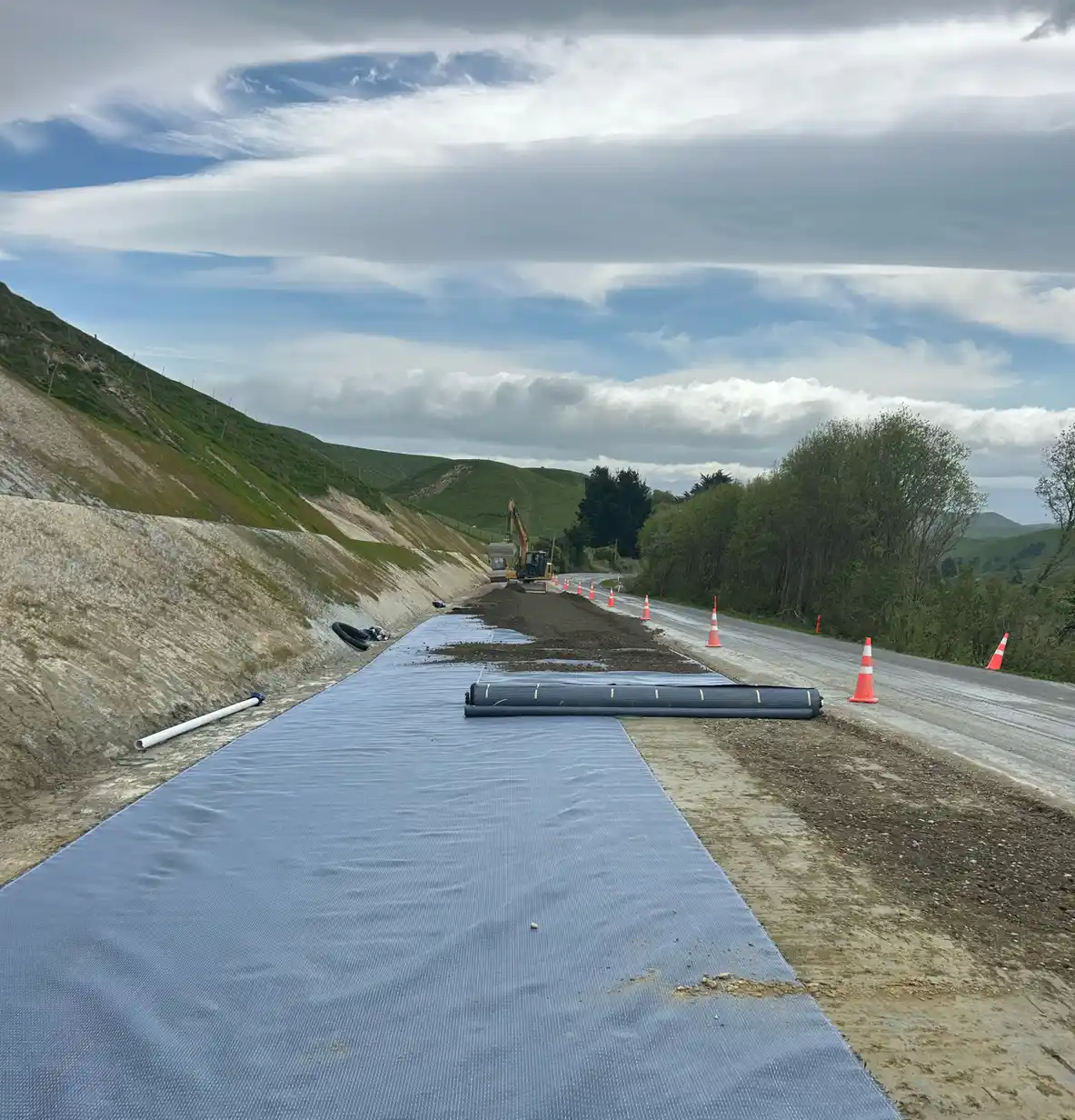
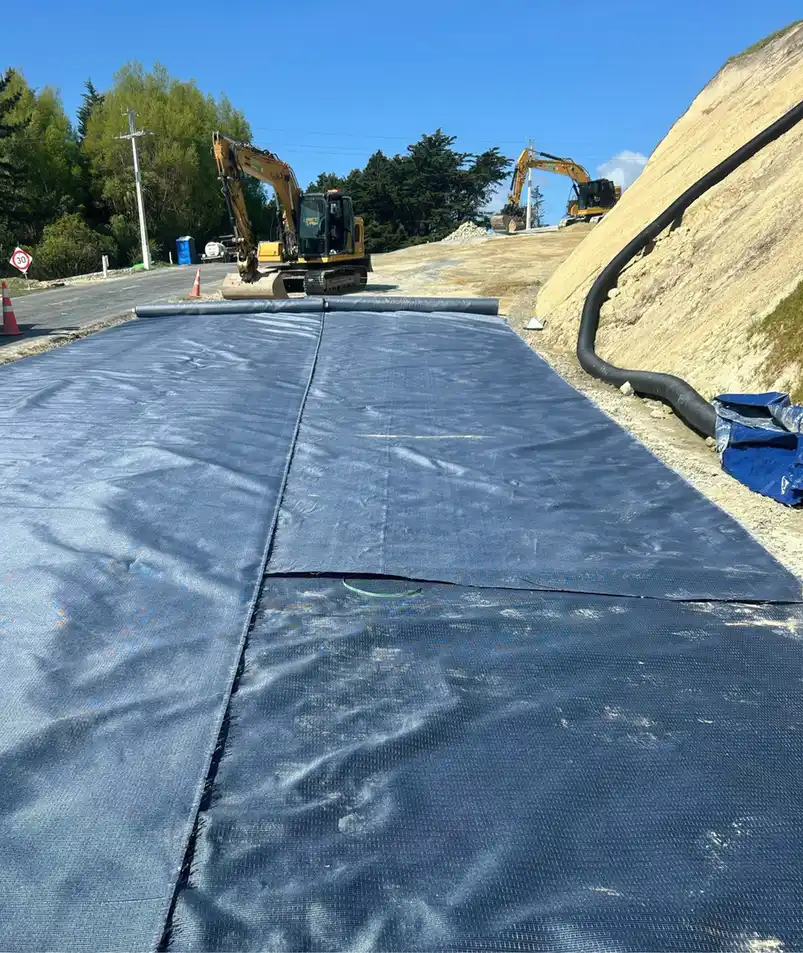
01 / Transportation Infrastructure
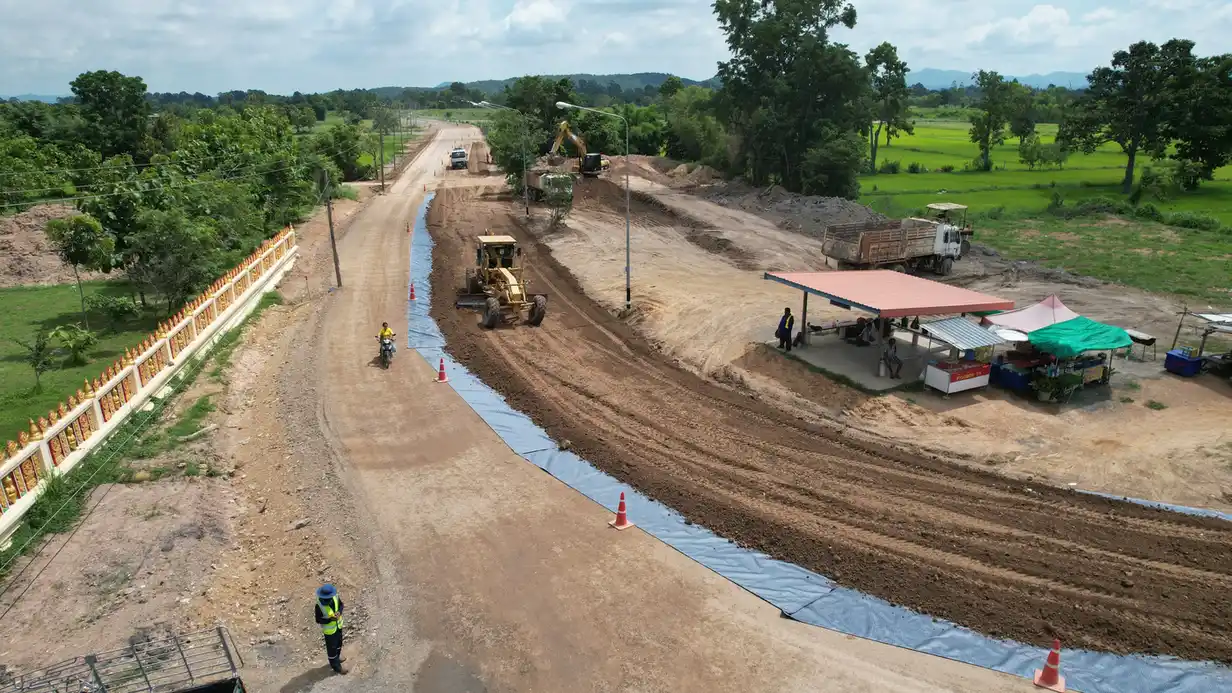
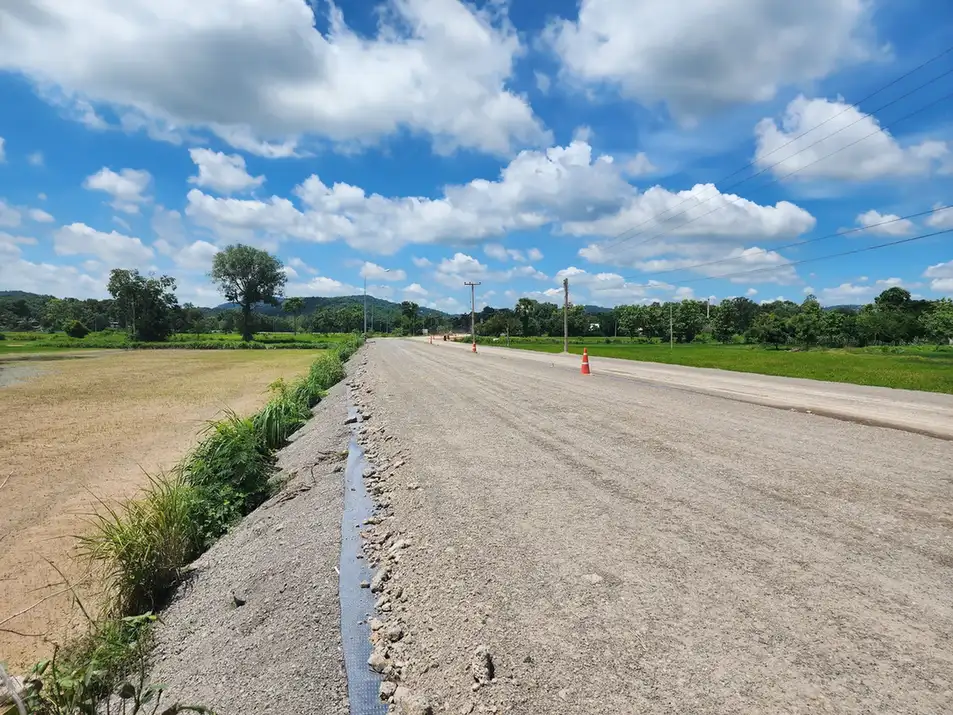
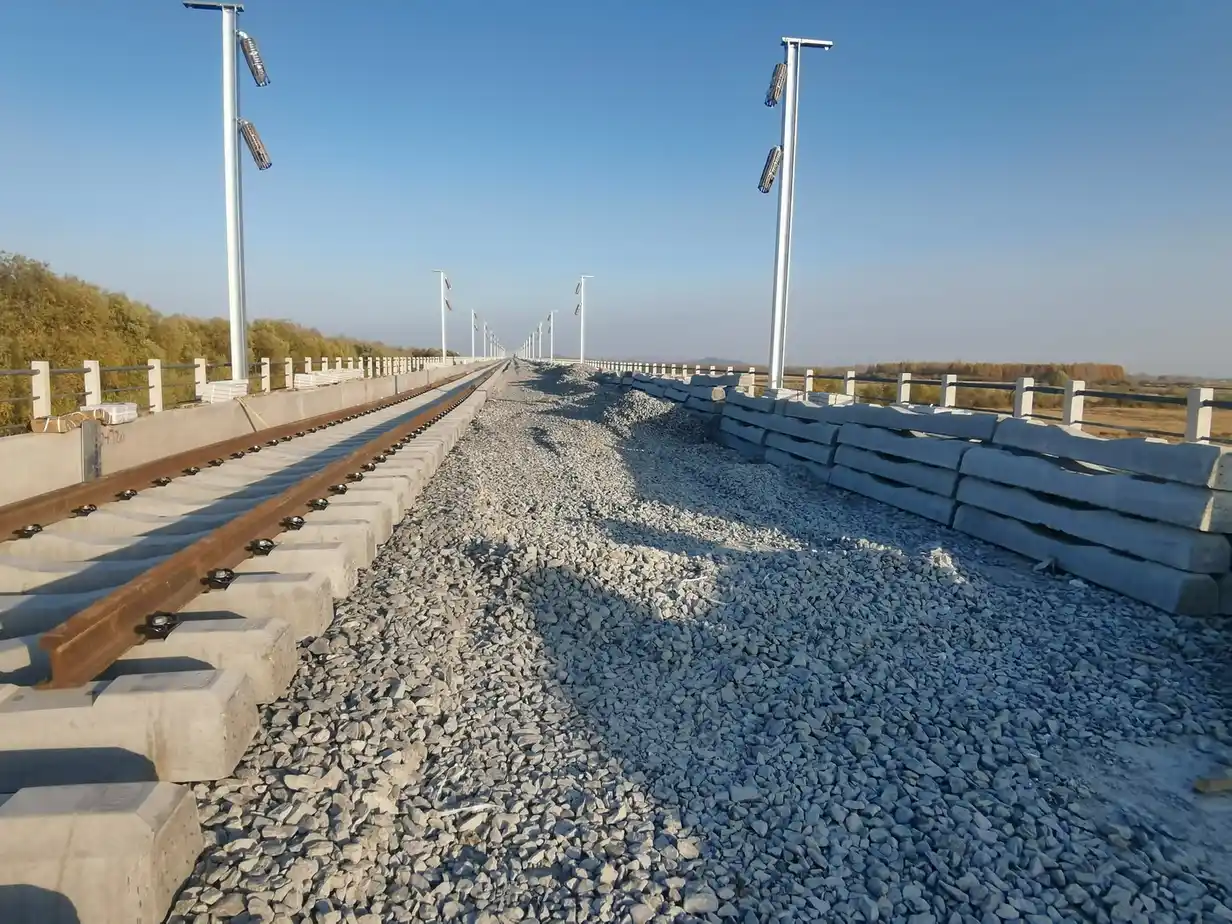
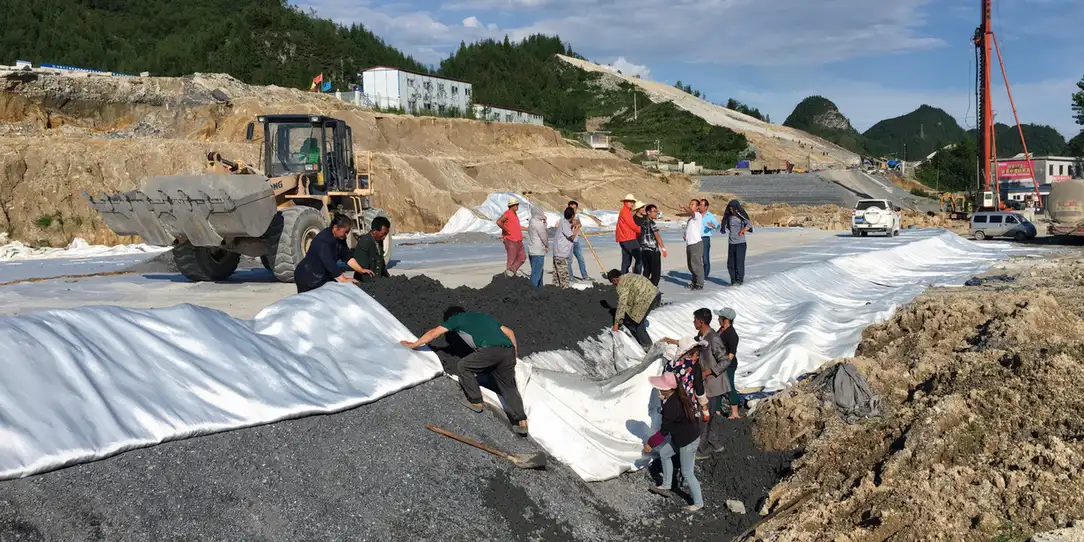
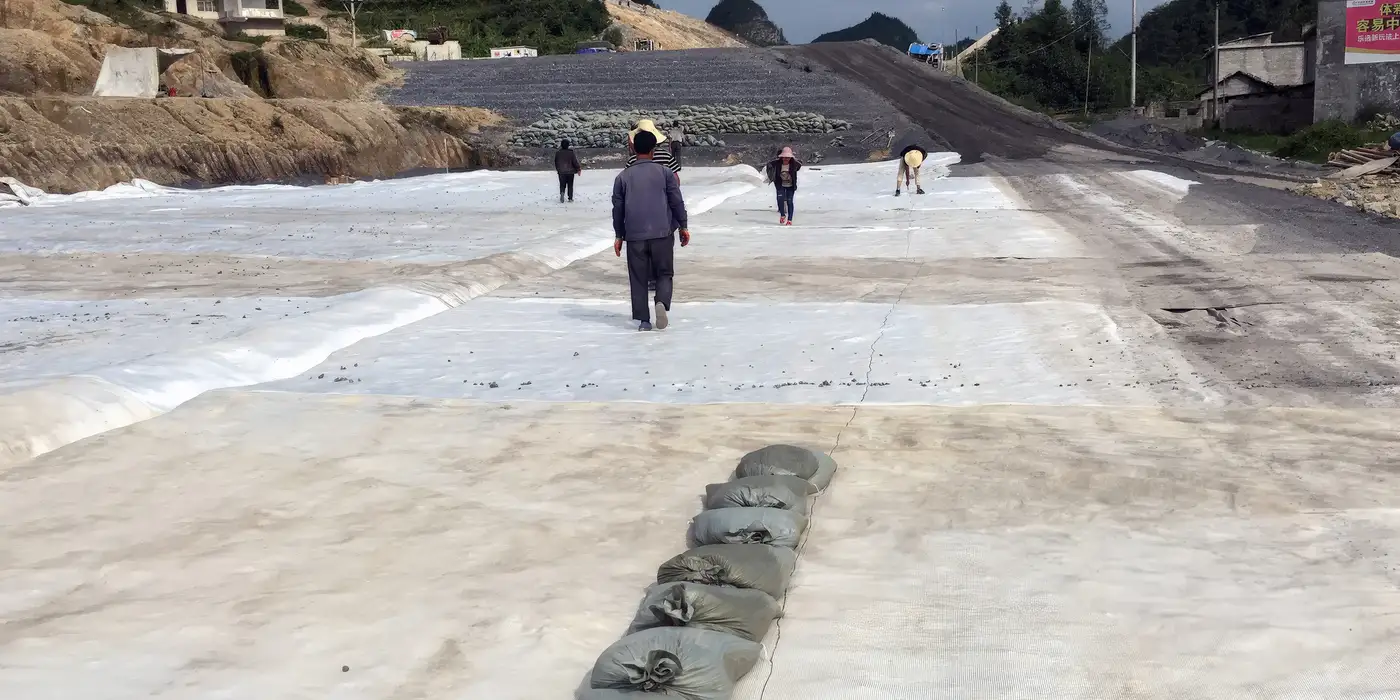
Installed between road layers, geotextiles form a stable reinforcement and separation interface. They distribute traffic loads, restrict lateral movement and keep fine subgrade soil from contaminating the aggregate base. Their filtration and drainage performance also helps remove infiltrated water, reducing softening, pumping, frost-related damage and premature pavement distress.
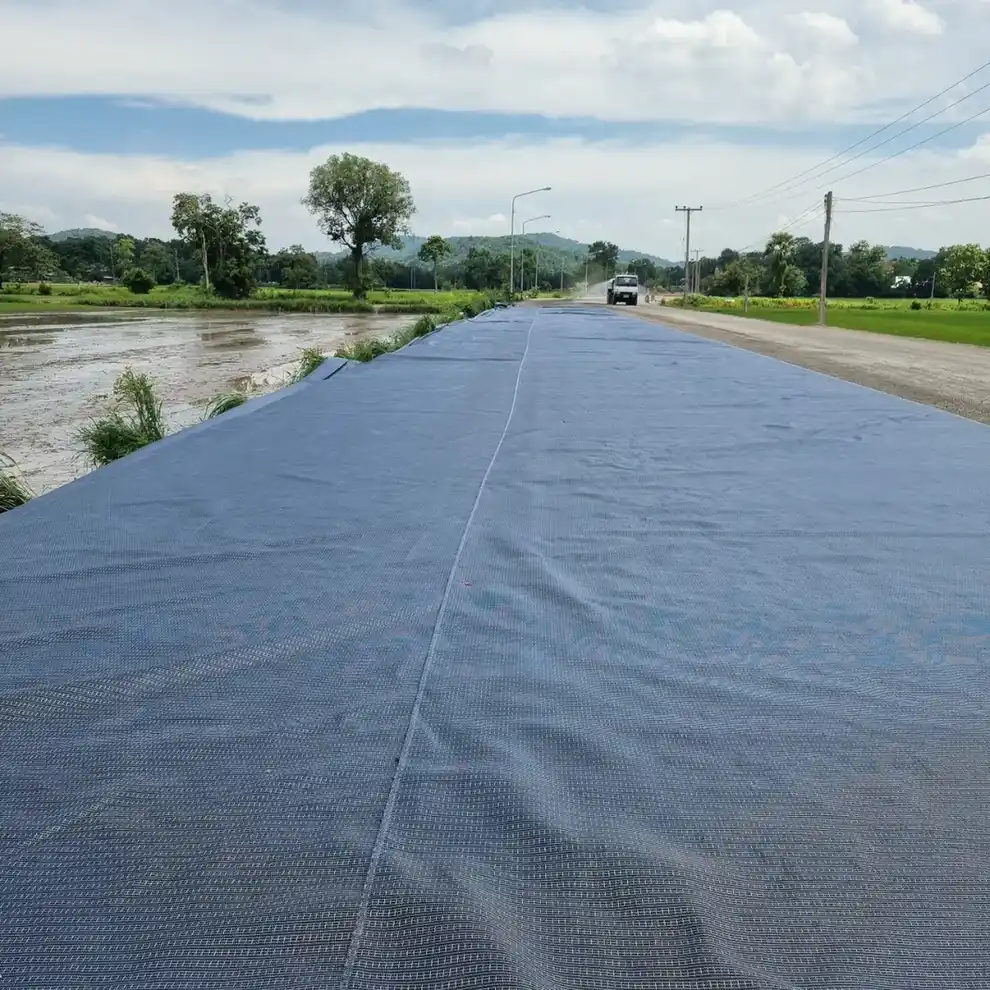
02 / Ground Improvement
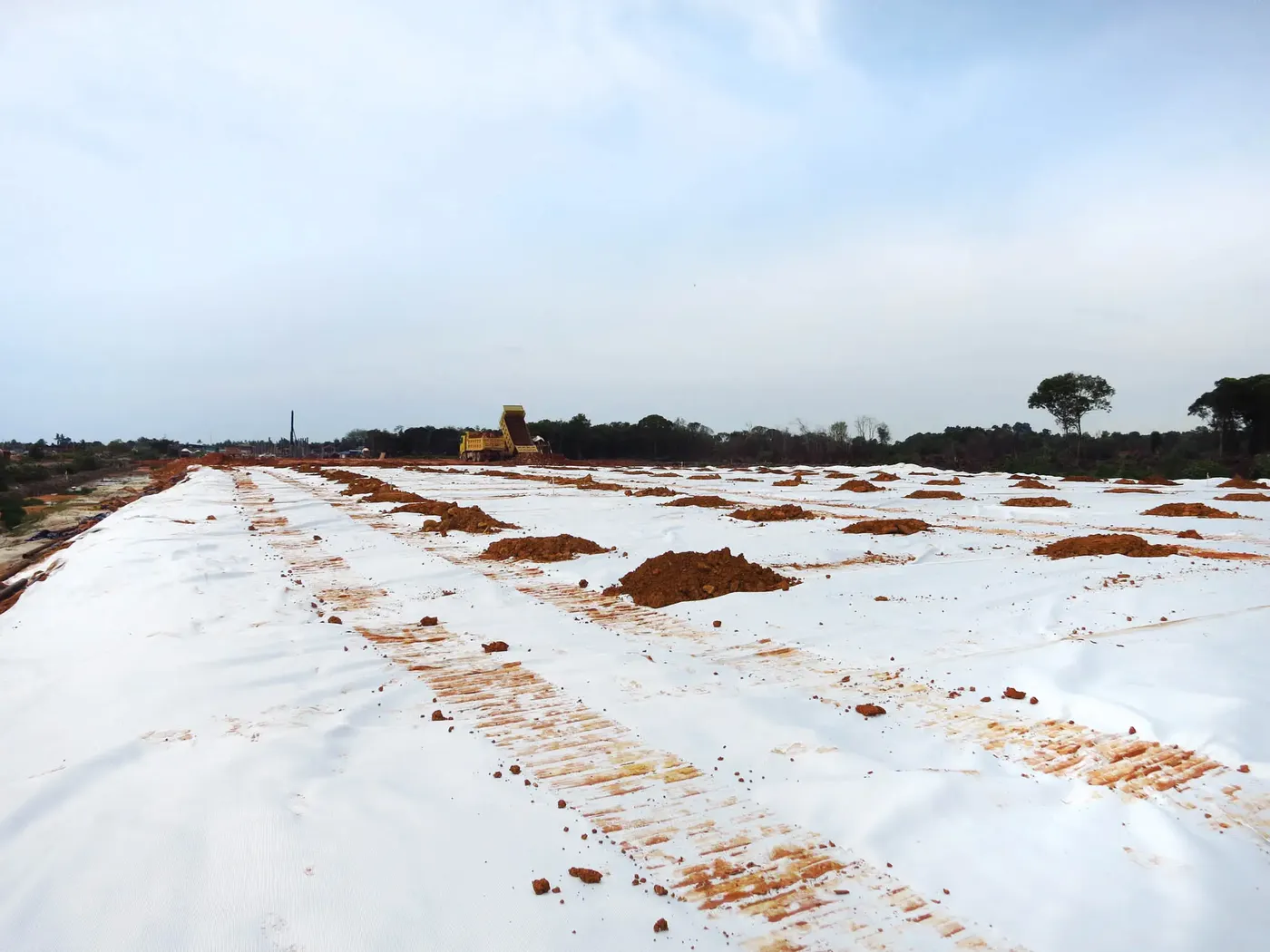
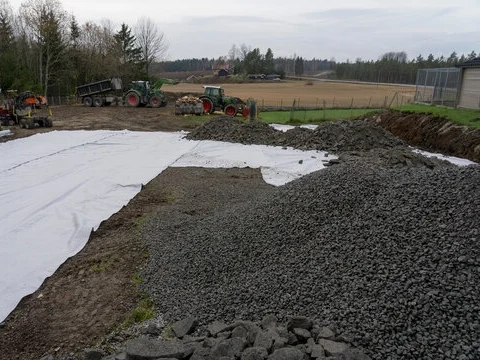
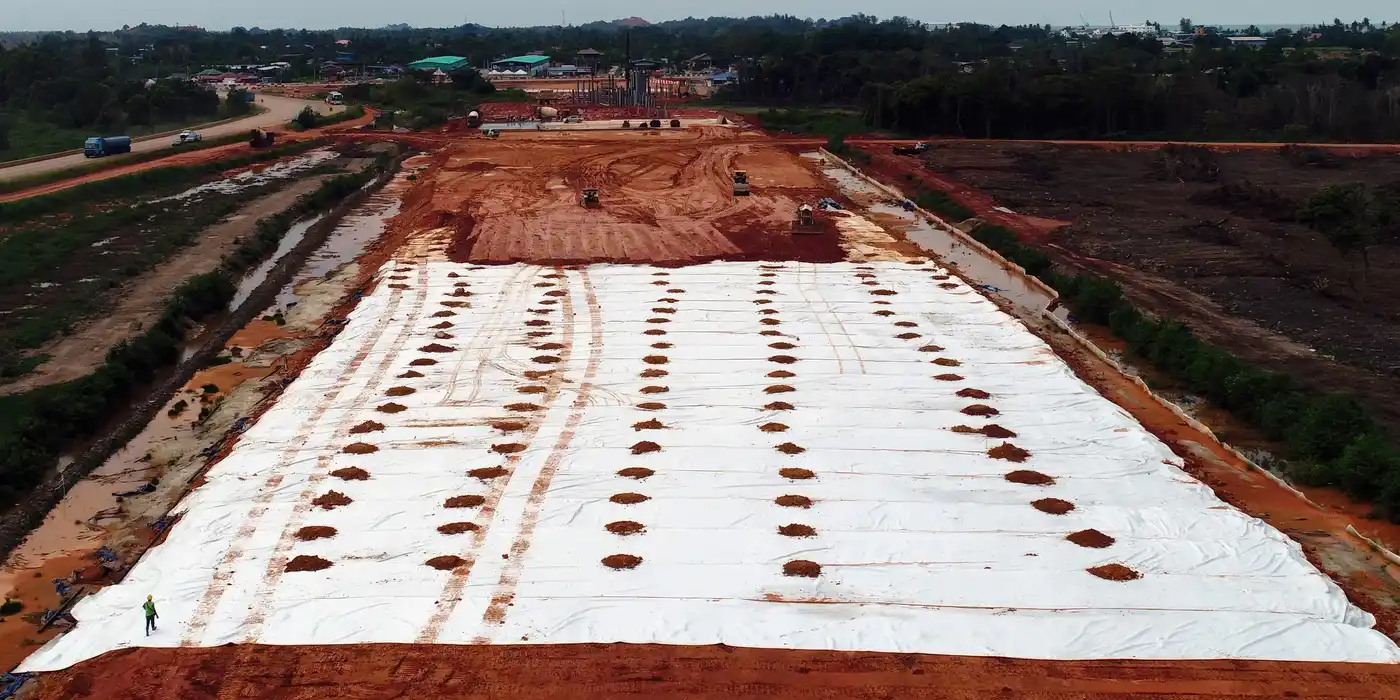
Soft foundations combine high water content, low bearing capacity and settlement risk. A geotextile layer spreads construction loads, limits lateral soil displacement and separates weak subsoil from granular fill. By allowing pore water to escape while retaining soil particles, the system supports consolidation and helps maintain the integrity of each engineered layer during construction and service.
03 / Waste Containment
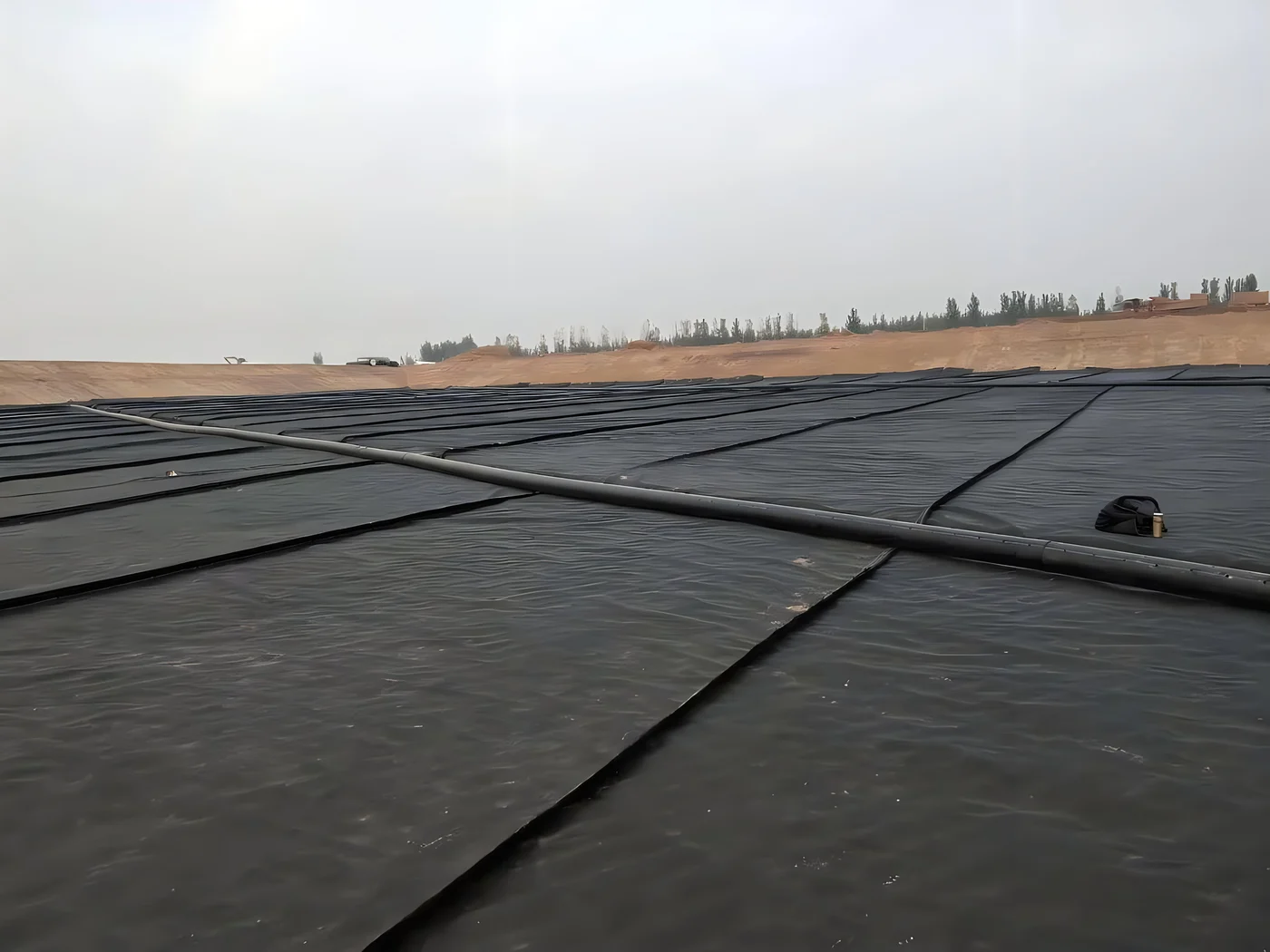
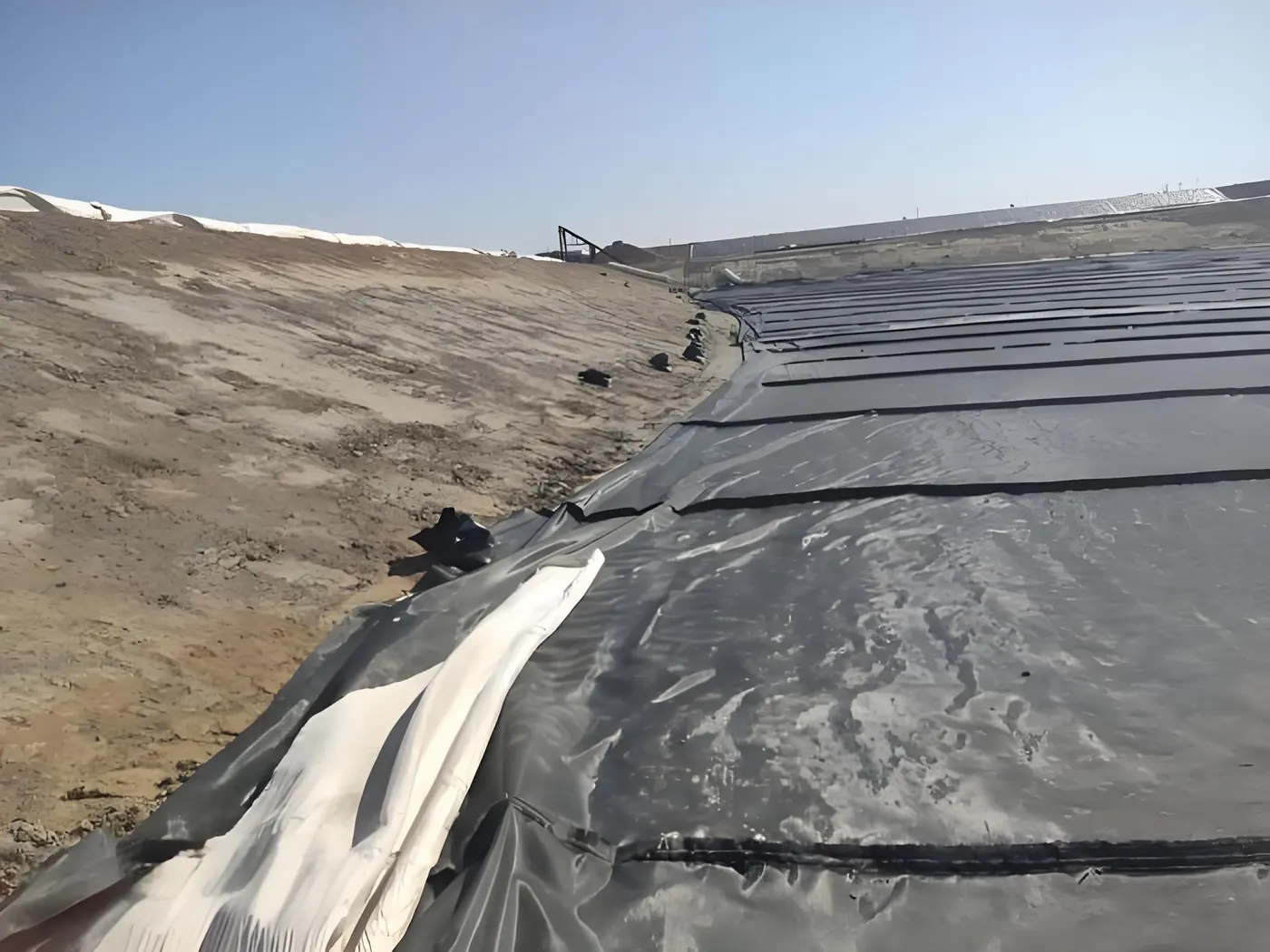
In landfill liner systems, woven geofilters work with HDPE geomembranes, drainage geonets and gravel layers. The geotextile allows leachate to reach the collection system while retaining fine particles that could obstruct drainage paths. Positioned next to the geomembrane, it also provides separation and cushion protection against stones and waste fragments, helping preserve the integrity of the containment system.
04 / Hydraulic Engineering
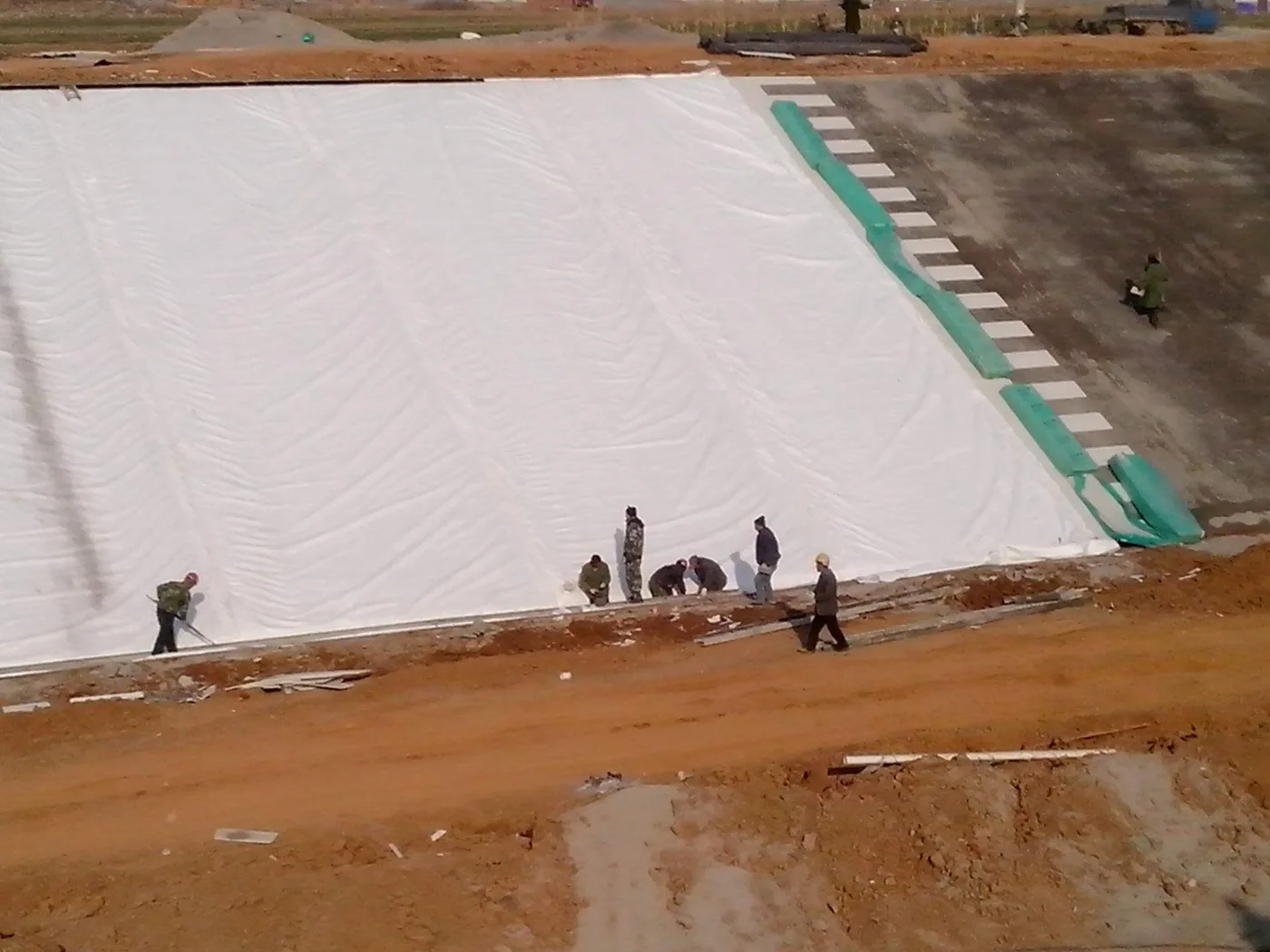
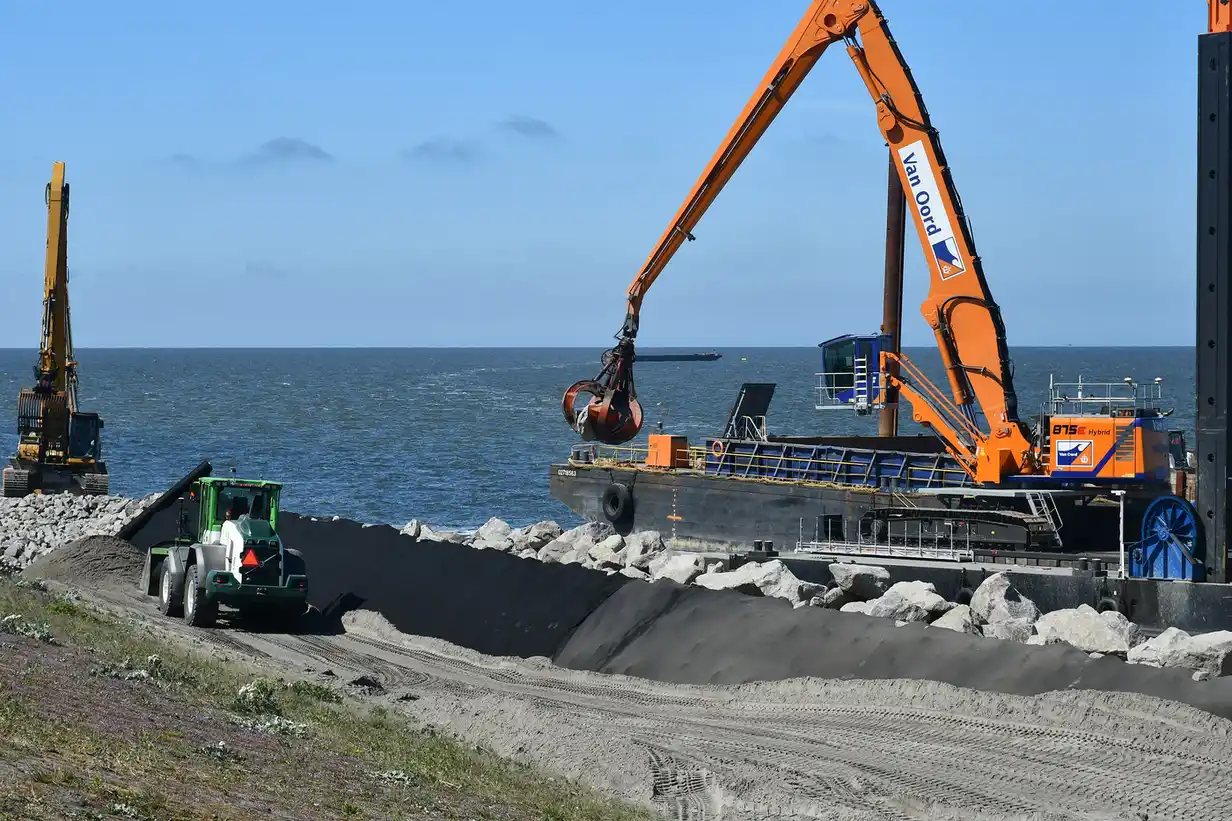
Placed between natural soil and revetment materials, geotextiles provide a permeable filter that releases water while retaining the bank soil. This reduces seepage pressure, limits piping and soil loss, and stabilizes the slope beneath stone, gabion, ecological or concrete protection systems. Suitable products are selected for long-term immersion, wet-dry cycling and installation damage exposure.
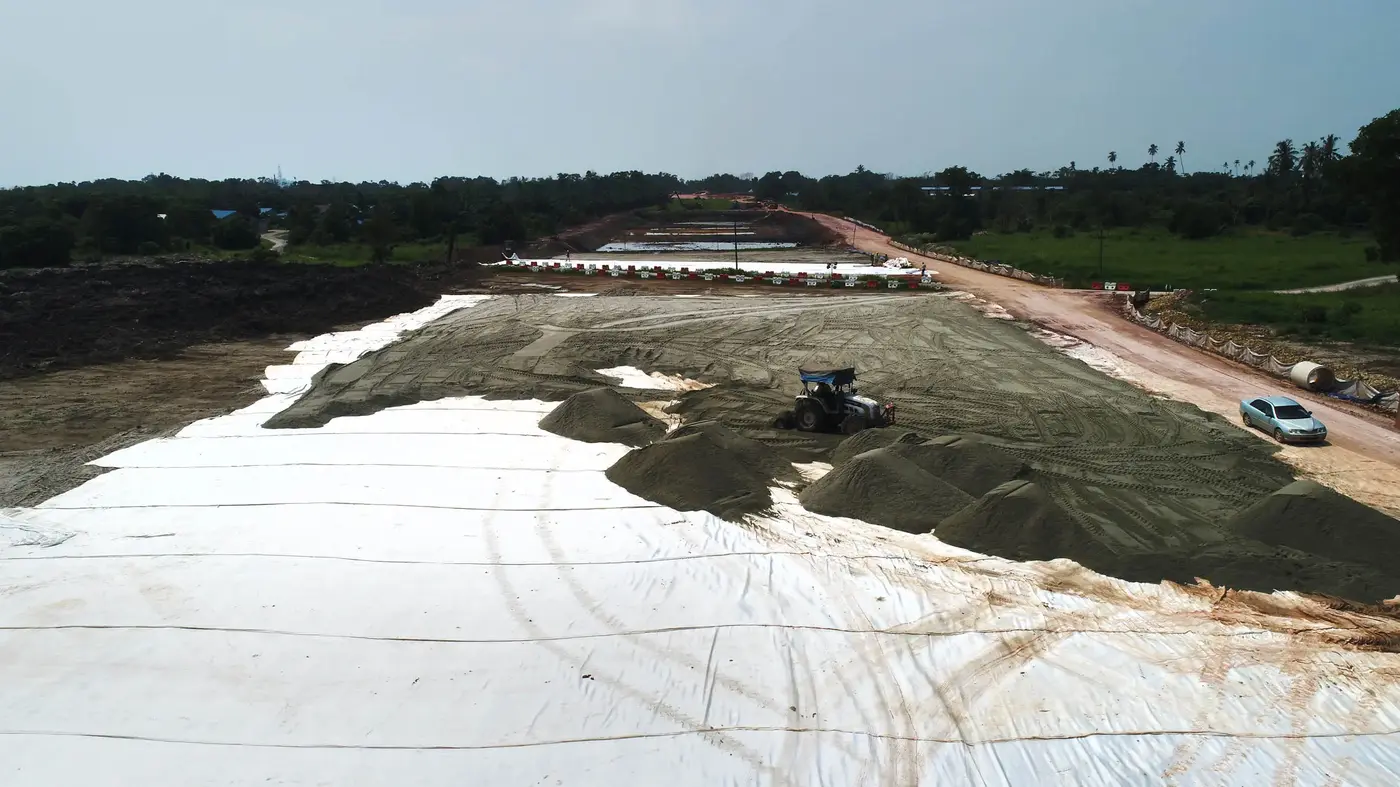
05 / Load Transfer Platforms
Within pile-supported embankments and load-transfer platforms, geotextiles distribute concentrated loads between pile heads and the surrounding soil. The reinforcement layer restrains lateral movement, helps control differential settlement and keeps granular platform material separated from fine backfill. Filtration and drainage performance also helps maintain a dense, stable working layer above the foundation system.
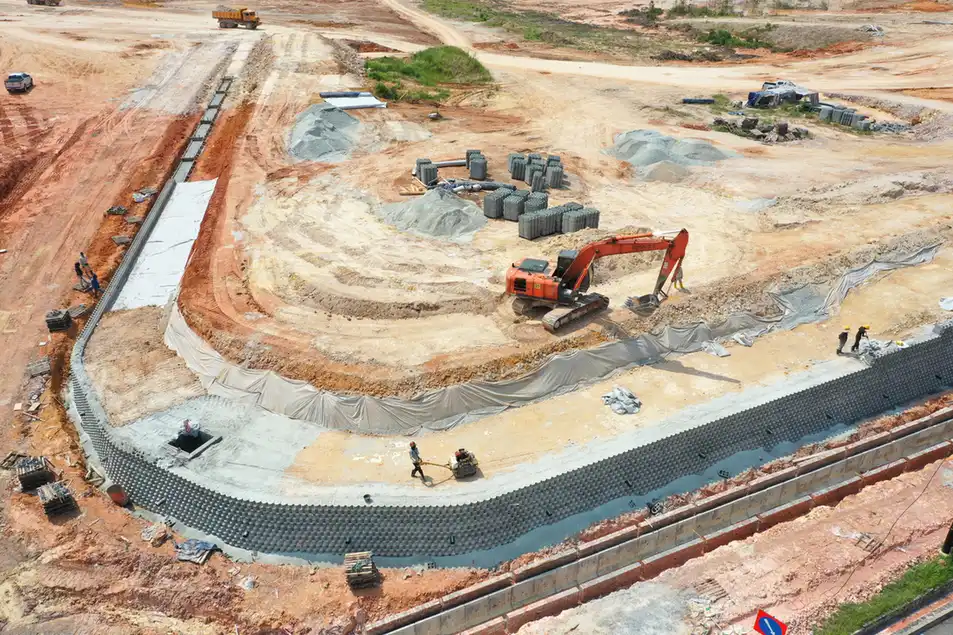
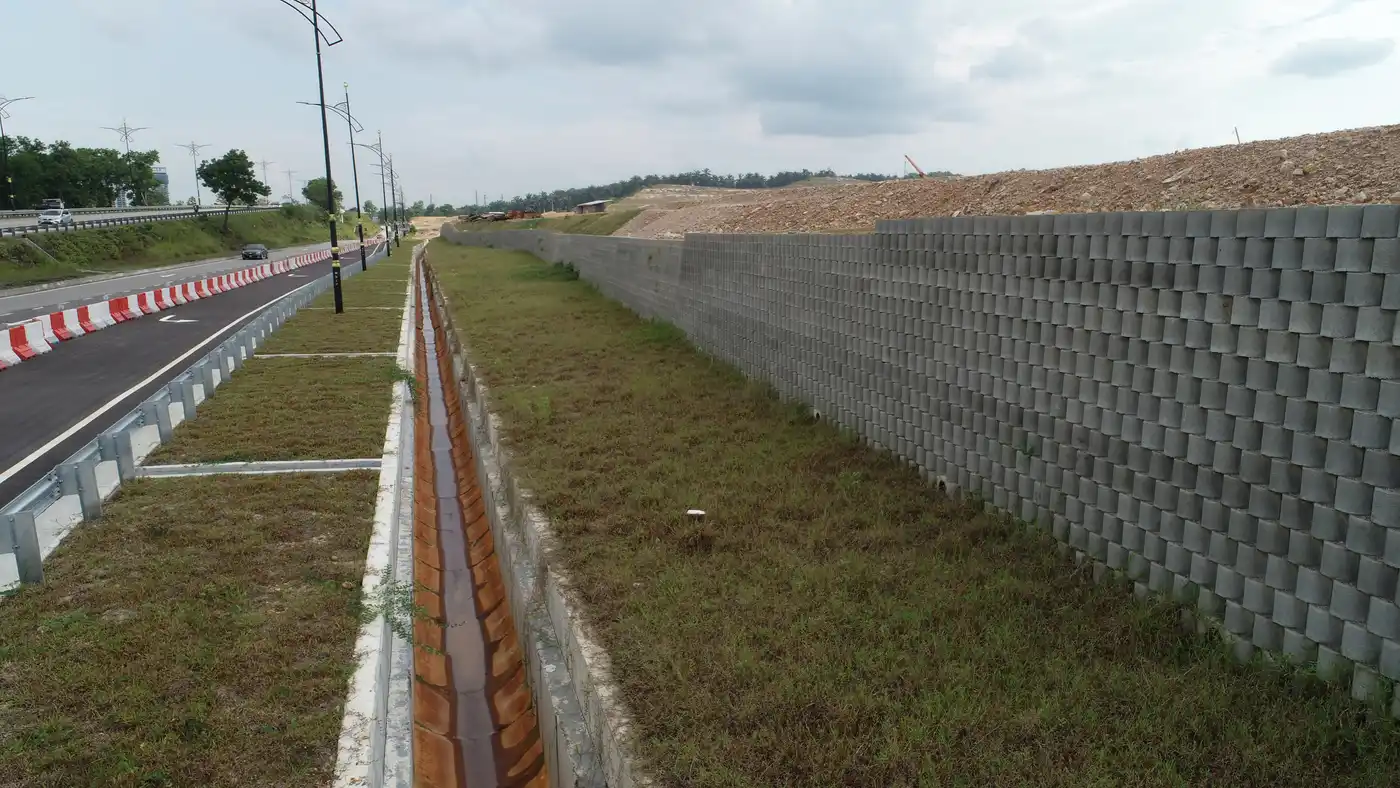
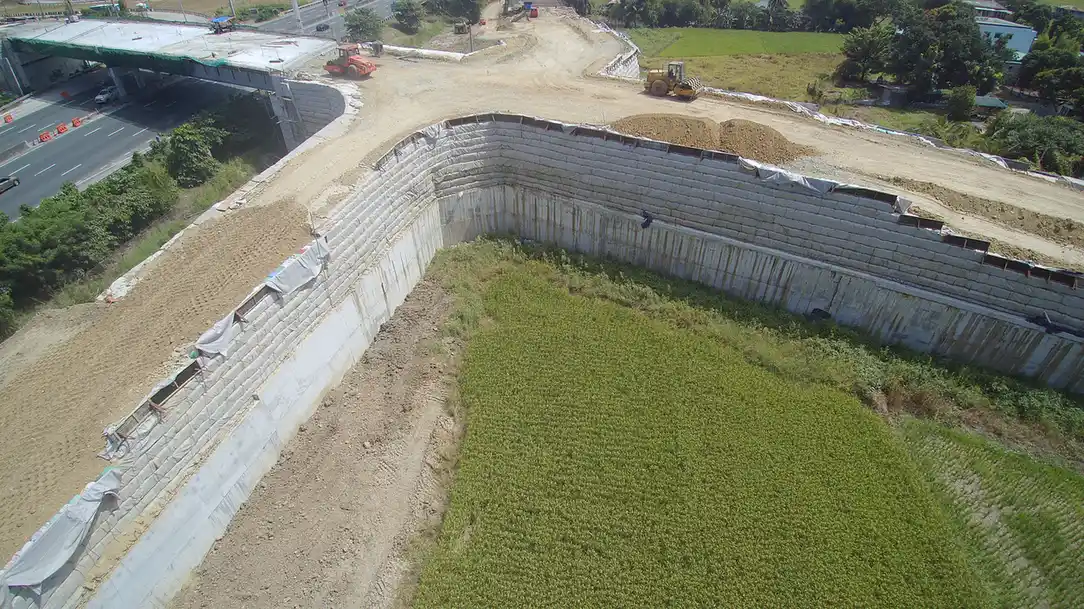
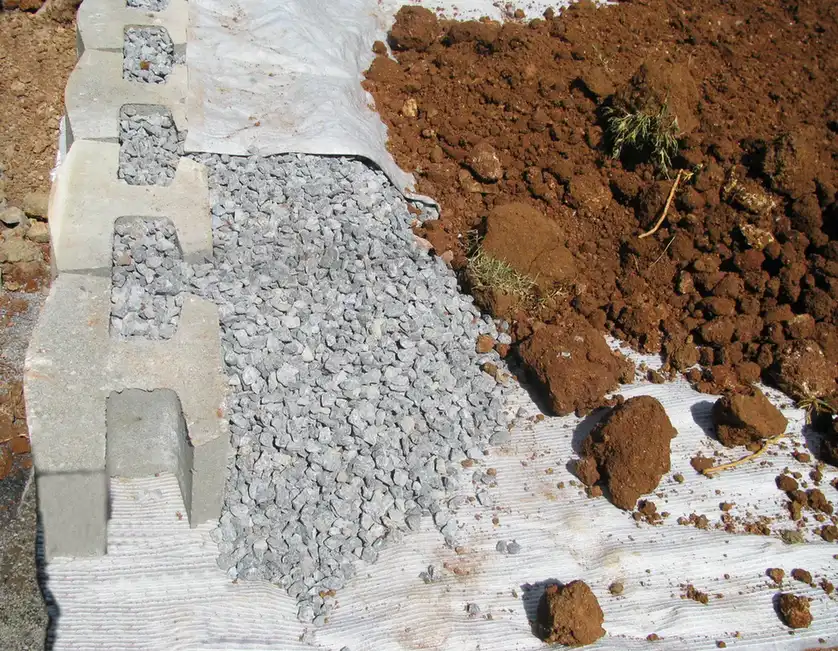
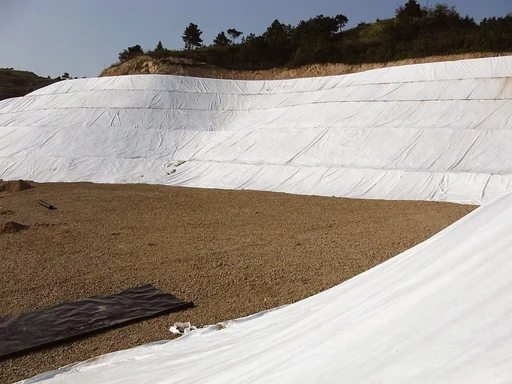
06 / Earth-Retaining Structures
Installed horizontally between compacted fill layers, woven geotextiles create a reinforced soil mass that resists lateral displacement and earth pressure. The system supports reinforced slopes, stepped walls and vertical retaining structures while providing separation, filtration and drainage. Correct tensile strength, anchorage length and installation spacing are determined from the structural design and site conditions.
Product Selection
Both structures can separate and filter, but their strength, elongation, opening size and hydraulic behavior differ. Final selection should follow the project design criteria and required test values.
Selected when high tensile strength, controlled elongation and load distribution are primary requirements.
Selected when filtration, drainage, cushioning and flexible conformance to the ground are the main requirements.
Project Support
Share the project type, soil condition, design load, drainage requirement, installation method and required standards. Our team will recommend the appropriate structure and specification.