项目查询
告诉我们您的项目
Share 产品类型、应用、尺寸、数量及发货目的地,我们的团队将以实用的产品和供应指导予以回应。.

见解和指南
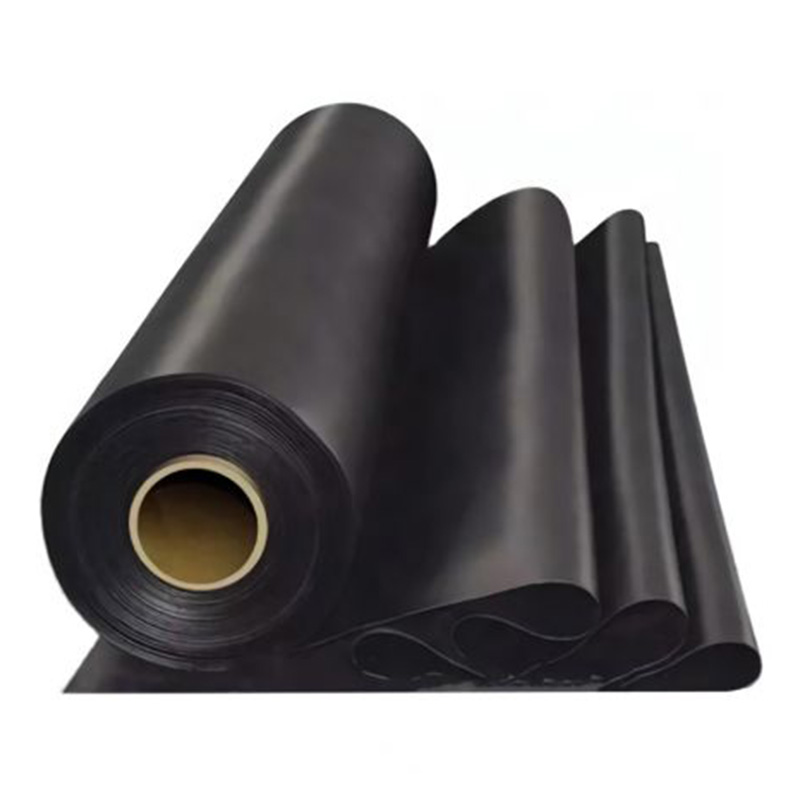
HDPE geomembrane decisions should start with the continuity of the containment barrier. This guide focuses on planning panel layout around penetrations and the information a buyer, site engineer or contractor needs before committing to a material or procedure. The practical question is whether the proposed arrangement fits the actual work, including panel layout, exposure, connections and verification. A familiar product name is a starting point for that review, rather than a substitute for the project drawings and acceptance requirements.
Consider a phased lining installation receiving rolls in separate deliveries. The immediate discussion is about panel layout and access, with penetration details as a related check. For HDPE geomembrane, these decisions are connected: changing one part of the arrangement can change the evidence needed elsewhere. Resolve the interfaces before a basin or lined facility is handed to the next construction activity, while details can still be revised without disturbing completed work. The following sections explain what to compare, which records to request and where a superficially simple purchase can leave a practical gap.
Develop the panel layout around slopes, corners, penetrations and the available welding direction. Roll width alone does not determine the most efficient arrangement.
A wide roll may reduce long seams while creating difficult junctions around outlets. Mark deployment routes and leave a practical corridor for seaming and inspection. Treat proposed layout changes as drawing revisions so the installer, material supplier and quality team work from the same panel references.
The review should produce a panel drawing with seam identifiers. This makes the decision about panel layout and access traceable and helps prevent reducing seam length while making junctions inaccessible. Agree who prepares the evidence and who reviews it before work proceeds.
A pipe boot or concrete termination introduces geometry and movement different from the open field of a liner. Establish the pipe material, outside diameter, support arrangement and expected displacement before selecting the connection detail.
Leave sufficient space to prepare, weld and test the detail. A field crew should not have to invent an attachment around a pipe that has already been fixed too close to a wall.
A useful checkpoint is a approved penetration sketch and inspection access. Check that it describes the actual proposed arrangement. If the package still depends on assuming a field seam detail also suits a pipe connection, return that point for clarification before accepting the corresponding work.
Edges must transfer loads without concentrating stress in the sheet. Discuss temporary restraint separately from the permanent anchorage detail.
Wind during installation, water-level changes and maintenance access can each affect the edge zone. Keep the trench or termination clean enough to inspect before it is closed. Do not use an unverified generic trench dimension across different soils, slope heights and operating conditions.
For HDPE geomembrane, request a edge detail and anchorage inspection record. Use it to resolve the risk of closing an anchor zone before checking sheet continuity before the next activity begins. Keep the accepted basis available to the team carrying out this part of the work.
A nominal thickness is a product designation that needs an agreed measurement method and tolerance. For textured materials, distinguish measurements associated with the core from measurements affected by surface asperities.
Compare reports using the same method and sampling basis. Ask whether the quoted value is a nominal, minimum or average requirement. Otherwise two apparently identical offers can describe different acceptance conditions even when both display the same millimeter value.
The HDPE geomembrane review should produce a thickness requirement with method and sampling basis. This makes the decision about nominal thickness and test method traceable and helps prevent comparing thickness numbers measured on different bases. Agree who prepares the evidence and who reviews it before work proceeds.

Separate ambient weather, exposed surface temperature and sustained liquid temperature in the project brief. They describe different exposure histories.
Ask what evidence supports the proposed formulation for the relevant combination of temperature, chemistry and service duration. A high-temperature product name does not establish a project-specific operating limit. Weld qualification and installation procedures must also remain suitable for the sheet and site conditions described in the final specification.
A useful checkpoint for HDPE geomembrane is a temperature profile with duration and exposure medium. Check that it describes the actual proposed arrangement. If the package still depends on using a short-term temperature observation as a lifetime limit, return that point for clarification before accepting the corresponding work.
A light-colored surface can change visual inspection conditions, but the buyer still needs to understand the layer construction. Confirm which face is exposed, how the layers are identified and whether the relevant test report describes the complete sheet.
Dirt and glare can affect inspection regardless of color. Plan cleaning and viewing conditions around the actual site, and keep visual checks separate from seam testing and material conformance evidence.
For HDPE geomembrane, request a layer description and exposed-face instruction. Use it to resolve the risk of assuming a white face replaces other inspection methods before the next activity begins. Keep the accepted basis available to the team carrying out this part of the work.
Use representative sheet, the intended equipment and the actual field conditions for trial seams. Record the material identity, operator, machine settings and test result together.
A machine setting is only meaningful within the qualified procedure and conditions in which it was used. When material, weather or equipment changes, follow the project quality plan for renewed qualification. Do not publish a universal welding temperature as though it fits every thickness and formulation.
The HDPE geomembrane review should produce a trial-seam record tied to sheet and equipment. This makes the decision about trial seams and equipment traceable and helps prevent copying a previous welding setting without a new trial. Agree who prepares the evidence and who reviews it before work proceeds.
Agree the required properties, test methods, frequencies and decision rules before production. Clarify which documents come from factory quality control and which tests are independently requested for the project.
Keep the identity of samples and tested batches visible in the acceptance register. Referencing an industry specification is useful, but it is not evidence that a particular shipment has passed every requirement or that a manufacturer holds a certification from the issuing organization.
A useful checkpoint for HDPE geomembrane is a acceptance matrix with document responsibility. Check that it describes the actual proposed arrangement. If the package still depends on treating a specification reference as a certificate, return that point for clarification before accepting the corresponding work.
Assign every identified defect and repair a location that can be recovered from the panel drawing. Record the repair method, responsible operator and subsequent verification.
Review unresolved items before handing the assembly to the next construction activity. A final report should allow an owner to distinguish the original seam, a repaired area and the test used to close the issue. A collection of unlocated photographs cannot provide that continuity.
For HDPE geomembrane, request a closed repair register linked to the panel map. Use it to resolve the risk of signing handover while repair verification remains open before the next activity begins. Keep the accepted basis available to the team carrying out this part of the work.
Compare HDPE geomembrane proposals on a common basis. The table below connects the principal decisions in this guide to the evidence that should support them. It is an assessment framework, not a claim that a particular product or installation has already passed these checks.
| 决定 | 比较的证据 | 解决差距 |
|---|---|---|
| Panel layout and access | Panel drawing with seam identifiers | Reducing seam length while making junctions inaccessible |
| Penetration details | Approved penetration sketch and inspection access | Assuming a field seam detail also suits a pipe connection |
| Anchorage and edge loads | Edge detail and anchorage inspection record | Closing an anchor zone before checking sheet continuity |
| Nominal thickness and test method | Thickness requirement with method and sampling basis | Comparing thickness numbers measured on different bases |
Suppose two offers use the same HDPE geomembrane keyword but describe different arrangements. One includes a panel drawing with seam identifiers, while the other provides only a general description. Ask the second supplier to clarify the same requirement before treating the offers as equivalent. Then compare penetration details and anchorage and edge loads on the agreed basis. This hypothetical example illustrates the review sequence; it does not assign a passing result to either offer.
对于技术讨论,请审查 Smooth HDPE Geomembrane product page 和 相关产品系列. Use those pages to identify the material or equipment being discussed, then send the actual application, drawing and required evidence for confirmation. The HDPE geomembrane purchase description should preserve any project-specific conditions that remain subject to technical review.
如需进一步阅读,请咨询 土工合成材料研究所规格索引. Use the relevant publication within its stated scope and check the applicable edition. The HDPE geomembrane submittal still needs evidence for the proposed product and project; an external reference is not a certificate or approval of this shipment.
Send Taiji your HDPE geomembrane application and the current drawings, along with the required quantity, delivery destination and planned construction or operating sequence. Include the questions raised by planning panel layout around penetrations, especially the panel drawing with seam identifiers and approved penetration sketch and inspection access. A clear brief helps the team discuss a suitable supply configuration and the documentation needed for your review.
Start with the continuity of the containment barrier. For the topic covered here, prioritize panel layout and access and request a panel drawing with seam identifiers. The decision should fit the actual application rather than depend on the product name alone.
Request a approved penetration sketch and inspection access and a edge detail and anchorage inspection record. Keep the proposed product or equipment identity visible so the records can be related to the delivered goods and intended method. Ask for clarification where those records describe different conditions.
Use common scope, property definitions and project assumptions. Compare nominal thickness and test method alongside elevated-temperature service, and resolve missing evidence before relying on a price difference. Similar wording in two quotations does not establish equivalent arrangements.
Avoid reducing seam length while making junctions inaccessible. Also check for assuming a white face replaces other inspection methods. These issues concern how the product or procedure is used, so reviewing the installation or operating sequence is as important as checking the supplied description.
Send the application, relevant drawing, quantity or work area, location and intended schedule. Add the information needed for trial seams and equipment and conformance and acceptance. State any required test evidence so the response can address the actual project scope.
项目支持
Tell我们关于应用、材料要求和发货目的地,我们会以实用的产品指导予以回应。.