项目查询
告诉我们您的项目
Share 产品类型、应用、尺寸、数量及发货目的地,我们的团队将以实用的产品和供应指导予以回应。.

见解和指南
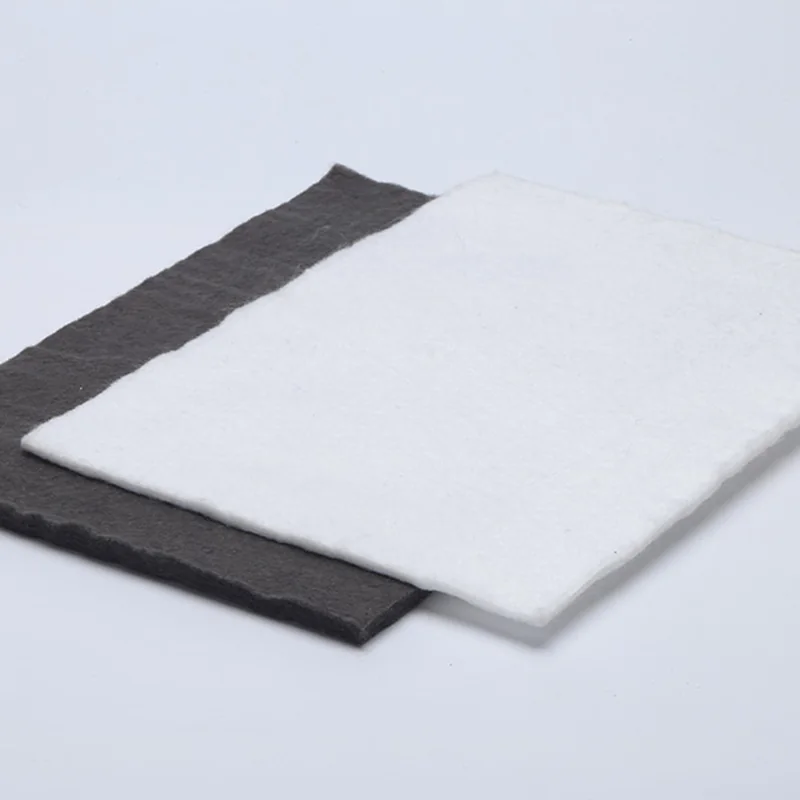
geotextile fabric decisions should start with the specified separation, filtration or protection function. This guide focuses on comparing fabric properties beyond mass and the information a buyer, site engineer or contractor needs before committing to a material or procedure. The practical question is whether the proposed arrangement fits the actual work, including soil contact, material properties, joints and cover placement. A familiar product name is a starting point for that review, rather than a substitute for the project drawings and acceptance requirements.
Consider a liner protection assembly awaiting its first aggregate cover. The immediate discussion is about mass per unit area, with substitutions and comparisons as a related check. For geotextile fabric, these decisions are connected: changing one part of the arrangement can change the evidence needed elsewhere. Resolve the interfaces before the fabric is buried beneath the next layer, while details can still be revised without disturbing completed work. The following sections explain what to compare, which records to request and where a superficially simple purchase can leave a practical gap.
A gsm value helps identify a fabric grade and check production consistency. It does not by itself define tensile performance, puncture resistance or filtration behavior.
Compare products at the same test basis and ask which functional requirements the selected grade must meet. If a specification gives only a mass, clarify the missing performance criteria before purchase. Otherwise a heavier product may be accepted despite lacking the property that matters to the installation.
The review should produce a mass tolerance plus functional property requirements. This makes the decision about mass per unit area traceable and helps prevent using fabric mass as the sole acceptance property. Agree who prepares the evidence and who reviews it before work proceeds.
Compare proposed substitutions against the original function and every relevant property. Use a side-by-side table with common test methods and units.
A substitute should not be approved merely because its gsm, color or polymer matches. Identify which report belongs to which product and ask the designer to resolve any difference that affects the assembly. Keep the approval with the purchasing record so the site does not receive a different unreviewed grade.
A useful checkpoint for geotextile fabric is a property-by-property substitution review. Check that it describes the actual proposed arrangement. If the package still depends on approving equivalence from product mass and color, return that point for clarification before accepting the corresponding work.
Separate water passing through the fabric from water traveling along a drainage core. Ask for the property that describes the required flow direction and compare results under the relevant conditions.
A large unconfined laboratory flow value may not represent a fabric installed against fine soil under load. Keep the test units visible in the submittal. Confusing permeability, permittivity and in-plane drainage values makes an otherwise detailed comparison unreliable.
For geotextile fabric, request a hydraulic property table with units and direction. Use it to resolve the risk of comparing different hydraulic properties as one number before the next activity begins. Keep the accepted basis available to the team carrying out this part of the work.
Site soil can change along a road, slope or trench. Identify where fine material, dispersive behavior or construction sediment may alter filter demand.
Keep temporary dirty runoff away from a permanent drainage system where the construction plan permits. A clean-water demonstration illustrates a fabric behavior but does not establish long-term soil compatibility. Where the filter is critical, review the assembly and exposure rather than judging performance from an attractive drainage demonstration.
The geotextile fabric review should produce a filter exposure and construction sediment plan. This makes the decision about clogging and changing soil traceable and helps prevent using a clean-water demonstration as a soil compatibility test. Agree who prepares the evidence and who reviews it before work proceeds.

Woven fabrics use an organized yarn structure that influences openings and load direction. Request the relevant product description and properties rather than inferring suitability from a photograph of the weave.
Edge behavior, seam details and roll orientation deserve attention during ordering. A woven filter may serve separation and filtration functions, but reinforcement claims need their own design basis. Keep the intended function clear when comparing a woven product with a nonwoven alternative.
A useful checkpoint for geotextile fabric is a woven construction description and directional data. Check that it describes the actual proposed arrangement. If the package still depends on selecting a weave from appearance alone, return that point for clarification before accepting the corresponding work.
Plan the first lift and construction traffic before deploying fabric over weak or irregular ground. Equipment movement can displace the fabric or mix the soils the layer is intended to separate.
Observe the initial placement and adjust the approved method if the actual ground differs from the assumptions. Keep sharp debris away from exposed fabric. The installation method must preserve the design function instead of treating the roll as a surface that can tolerate unrestricted traffic.
For geotextile fabric, request a initial fill placement method and ground observation. Use it to resolve the risk of driving directly on unprotected fabric before the next activity begins. Keep the accepted basis available to the team carrying out this part of the work.
Fabric transitions around a collector need continuity without blocking the outlet or exposing a route for soil migration. Coordinate the geotextile with pipe bedding, aggregate and the drainage core where present.
Inspect folds and joints before closing the trench. Confirm how the drain can be maintained if that is part of the facility design. A compliant roll does not compensate for a disconnected collector or a fabric end left open against erodible soil.
The geotextile fabric review should produce a collector junction drawing and closure inspection. This makes the decision about drainage collector details traceable and helps prevent leaving an unfiltered soil path at a collector junction. Agree who prepares the evidence and who reviews it before work proceeds.
Inspect the installed layer while it remains accessible. Look for tears, displaced joints, trapped debris and gaps around structures. Record repairs and confirm that subsequent work will preserve them.
Photographs should identify the location and roll or panel where practical. Once a layer is buried, correcting a small continuity defect may require substantial excavation. The pre-cover inspection therefore belongs in the construction sequence rather than being left as an optional final task.
A useful checkpoint for geotextile fabric is a pre-cover inspection with located repair records. Check that it describes the actual proposed arrangement. If the package still depends on covering a layer before continuity defects are closed, return that point for clarification before accepting the corresponding work.
Handover records should show the fabric grade, relevant drawings, acceptance documents and significant changes made on site. Where future maintenance may disturb the layer, identify protected zones and excavation constraints.
Do not promise a service life from a product label alone. Operating conditions and the surrounding assembly remain relevant after purchase. Useful records help a later maintenance team understand what was installed and which function must be preserved during repairs or alterations.
For geotextile fabric, request a as-built layer record and maintenance constraints. Use it to resolve the risk of leaving future excavations without material identification before the next activity begins. Keep the accepted basis available to the team carrying out this part of the work.
Compare geotextile fabric proposals on a common basis. The table below connects the principal decisions in this guide to the evidence that should support them. It is an assessment framework, not a claim that a particular product or installation has already passed these checks.
| 决定 | 比较的证据 | 解决差距 |
|---|---|---|
| 每单位面积的质量 | Mass tolerance plus functional property requirements | Using fabric mass as the sole acceptance property |
| Substitutions and comparisons | Property-by-property substitution review | Approving equivalence from product mass and color |
| Cross-plane flow | Hydraulic property table with units and direction | Comparing different hydraulic properties as one number |
| Clogging and changing soil | Filter exposure and construction sediment plan | Using a clean-water demonstration as a soil compatibility test |
Suppose two offers use the same geotextile fabric keyword but describe different arrangements. One includes a mass tolerance plus functional property requirements, while the other provides only a general description. Ask the second supplier to clarify the same requirement before treating the offers as equivalent. Then compare substitutions and comparisons and cross-plane flow on the agreed basis. This hypothetical example illustrates the review sequence; it does not assign a passing result to either offer.
对于技术讨论,请审查 Filament Nonwoven Geotextile product page 和 相关产品系列. Use those pages to identify the material or equipment being discussed, then send the actual application, drawing and required evidence for confirmation. The geotextile fabric purchase description should preserve any project-specific conditions that remain subject to technical review.
如需进一步阅读,请咨询 土工合成材料研究所规格索引. Use the relevant publication within its stated scope and check the applicable edition. The geotextile fabric submittal still needs evidence for the proposed product and project; an external reference is not a certificate or approval of this shipment.
Send Taiji your geotextile fabric application and the current drawings, along with the required quantity, delivery destination and planned construction or operating sequence. Include the questions raised by comparing fabric properties beyond mass, especially the mass tolerance plus functional property requirements and property-by-property substitution review. A clear brief helps the team discuss a suitable supply configuration and the documentation needed for your review.
Start with the specified separation, filtration or protection function. For the topic covered here, prioritize mass per unit area and request a mass tolerance plus functional property requirements. The decision should fit the actual application rather than depend on the product name alone.
Request a property-by-property substitution review and a hydraulic property table with units and direction. Keep the proposed product or equipment identity visible so the records can be related to the delivered goods and intended method. Ask for clarification where those records describe different conditions.
Use common scope, property definitions and project assumptions. Compare clogging and changing soil alongside woven construction, and resolve missing evidence before relying on a price difference. Similar wording in two quotations does not establish equivalent arrangements.
Avoid using fabric mass as the sole acceptance property. Also check for driving directly on unprotected fabric. These issues concern how the product or procedure is used, so reviewing the installation or operating sequence is as important as checking the supplied description.
Send the application, relevant drawing, quantity or work area, location and intended schedule. Add the information needed for drainage collector details and inspection before cover. State any required test evidence so the response can address the actual project scope.
项目支持
Tell我们关于应用、材料要求和发货目的地,我们会以实用的产品指导予以回应。.