Проектное расследование
Расскажите нам о своем проекте
Поделитесь типом продукта, применением, размерами, количеством и местом доставки. Наша команда ответит практическим руководством по продукту и поставкам.

Информация и руководства
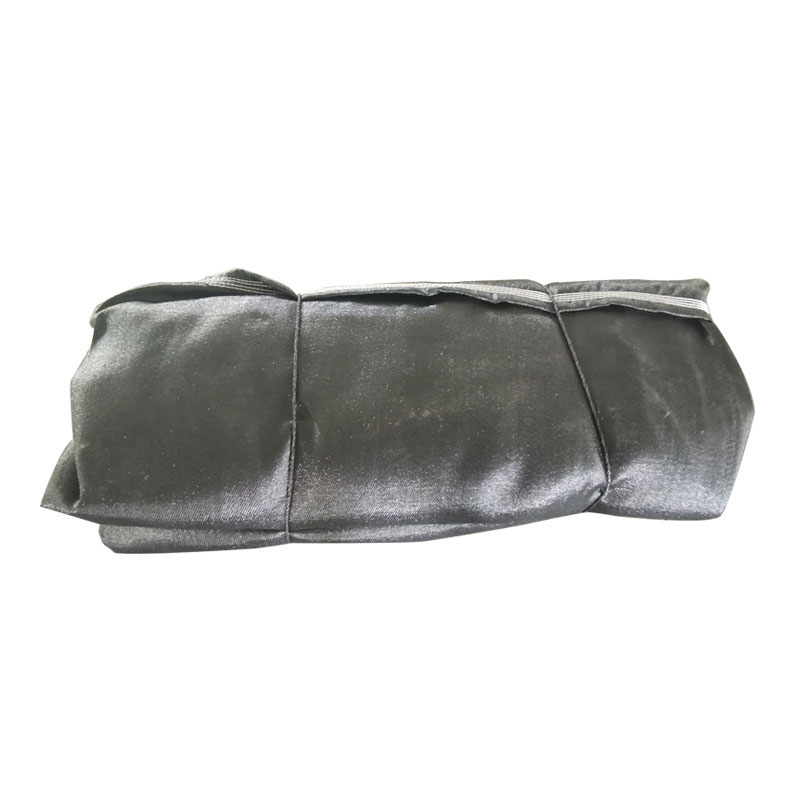
geotube dewatering decisions should start with a controlled filling and dewatering or structural operation. This guide focuses on matching dewatering cycles to site capacity and the information a buyer, site engineer or contractor needs before committing to a material or procedure. The practical question is whether the proposed arrangement fits the actual work, including feed characteristics, unit geometry, support and water handling. A familiar product name is a starting point for that review, rather than a substitute for the project drawings and acceptance requirements.
Consider a trial intended to compare the response of two feed samples. The immediate discussion is about fill-rest cycles, with drainage and filtrate collection as a related check. For geotube dewatering, these decisions are connected: changing one part of the arrangement can change the evidence needed elsewhere. Resolve the interfaces before the full-scale filling sequence starts, while details can still be revised without disturbing completed work. The following sections explain what to compare, which records to request and where a superficially simple purchase can leave a practical gap.
Separate active pumping time from resting, drainage and consolidation periods. A unit that accepts slurry quickly may need time before another fill or removal operation.
Plan multiple units or stages around the full cycle where continuous feed is required. Track actual observations during the trial rather than assuming a constant rate. The useful capacity of the working area depends on both feed volume and the time needed to reach the next handling condition.
A useful checkpoint is a fill-rest sequence and observed cycle log. Check that it describes the actual proposed arrangement. If the package still depends on treating initial acceptance rate as continuous capacity, return that point for clarification before accepting the corresponding work.
Provide a collection route for the filtrate before starting the first fill. The route should suit the expected quantity and the required treatment or disposal arrangement.
Visual clarity alone does not establish that a liquid meets discharge requirements. Sample or test according to the project needs and keep the relevant records. A dewatering system can retain solids effectively while still requiring downstream treatment of dissolved or very fine contaminants.
For geotube dewatering, request a filtrate collection and assessment plan. Use it to resolve the risk of discharging filtrate solely because it looks clear before the next activity begins. Keep the accepted basis available to the team carrying out this part of the work.
Where conditioning is proposed, establish who selects the chemical, controls dosing and verifies the response. Mixing energy and contact time can influence the result as well as chemical type.
Test representative feed and review the filtrate handling requirements. Do not prescribe a universal polymer dose for different sludges. A tube or bag is one part of the process, so the conditioning system and operator responsibilities should be included in the project work package.
The geotube dewatering review should produce a conditioning trial and operating responsibility. This makes the decision about conditioning and mixing traceable and helps prevent using a fixed chemical dose across changing feed. Agree who prepares the evidence and who reviews it before work proceeds.
Use a transparent solids balance to compare incoming feed, retained material and filtrate. Keep wet volume distinct from dry solids mass.
Changing feed concentration can alter the volume delivered even when the dry solids target remains the same. Define the required final handling condition with the disposal or reuse route in mind. Do not assume that reducing water content automatically changes waste classification or makes the retained solids suitable for every destination.
A useful checkpoint for geotube dewatering is a mass-balance assumptions and removal route. Check that it describes the actual proposed arrangement. If the package still depends on confusing reduced wet volume with a different waste status, return that point for clarification before accepting the corresponding work.
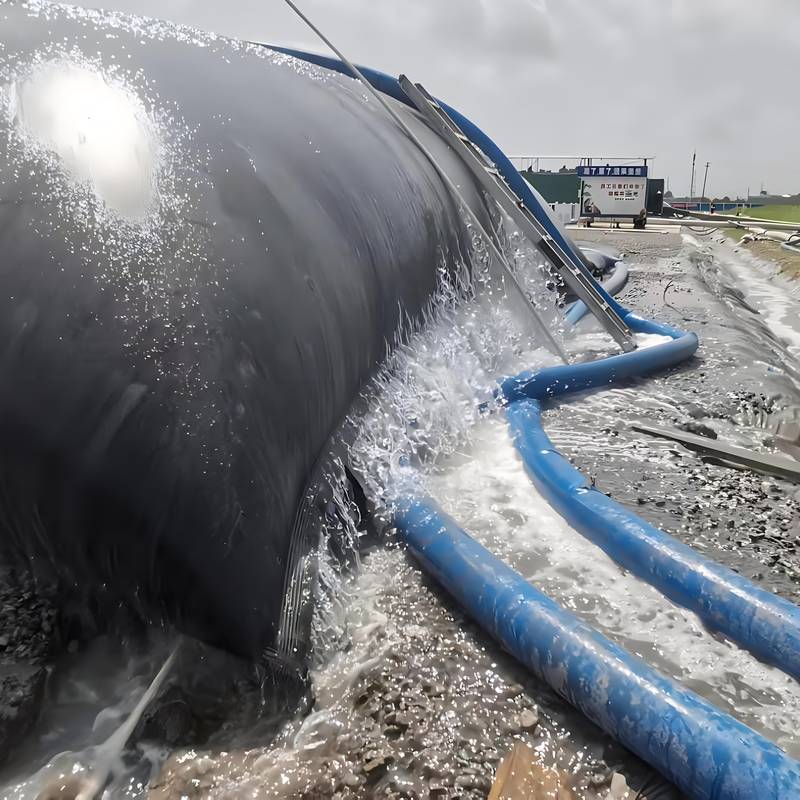
Система мешков может быть привлекательной на небольшом участке, но покупателю все еще нужен доступ для доставки, наполнения, дренажа и удаления. Положите мешок на подходящую опору и оставьте место вокруг его ожидаемой заполненной формы.
Координировать маршрутизацию шланга с доступом рабочих Компактный пустой пакет может занимать гораздо большую площадь во время использования. включите в компоновку конечную деятельность по удалению твердых частиц, чтобы устройство не блокировало единственный практичный выход с сайта.
For geotube dewatering, request a bag footprint and end-of-cycle access plan. Use it to resolve the risk of judging the required area from the empty bag before the next activity begins. Keep the accepted basis available to the team carrying out this part of the work.
Request the tube fabric and seam requirements as separate parts of the fabrication submittal. Seam details, stitch patterns and workmanship need their own evidence where specified.
A fabric strength value does not automatically establish the strength of the finished tube. Identify how the factory labels units and records inspection. Keep any repair method within the approved procedure so the site does not create an untested connection by improvising a stitch or patch.
The geotube dewatering review should produce a fabric and seam inspection package. This makes the decision about fabric and sewn seams traceable and helps prevent using fabric strength as the finished-unit strength. Agree who prepares the evidence and who reviews it before work proceeds.
Хвосты могут содержать мелкие частицы и технологические химикаты, влияющие на фильтрацию, обращение и утилизацию. запросите репрезентативную информацию о кормах и обсудите химическую совместимость предлагаемой ткани.
Включите оценку фильтрата и окончательный маршрут остаточных твердых веществ в цели испытаний. Избегайте описания каждой шахтной суспензии как эквивалентного песка и воды. Технически полезная проверка поставщика требует фактического воздействия и деталей эксплуатации, а также любых требований проекта по локализации под зоной обезвоживания.
A useful checkpoint for geotube dewatering is a tailings feed and exposure dossier. Check that it describes the actual proposed arrangement. If the package still depends on omitting process chemicals from the dewatering review, return that point for clarification before accepting the corresponding work.
A sand-filled tube used as a hydraulic structure has different objectives from a sludge-dewatering unit. Review fill grading, foundation support, geometry and exposure as part of the structural design.
The designer must address stability and the interaction with waves or currents. Fabric retention and seams remain important, but the unit cannot be selected solely by its capacity to release water. Keep the structural application explicit in the fabrication and installation documents.
For geotube dewatering, request a hydraulic structure design basis and fill specification. Use it to resolve the risk of treating a sand-filled structure as a simple dewatering bag before the next activity begins. Keep the accepted basis available to the team carrying out this part of the work.
Во время использования записывайте этапы заполнения, наблюдаемую геометрию, изменения подачи и любые дефекты или перерывы. Свяжите образцы и наблюдения за фильтратом с заполняемым блоком.
Перед удалением или передачей конструкции закройте непогашенные элементы проверки и сохраните соответствующие записи. Это позволяет команде проекта сравнить предположения пилотного проекта с фактической эксплуатацией. окончательная фотография заполненной трубки не может объяснить, как устройство было загружено или были ли завершены необходимые проверки.
The geotube dewatering review should produce a unit-level operating and closeout record. This makes the decision about monitoring and closeout traceable and helps prevent closing the work with photographs but no operating history. Agree who prepares the evidence and who reviews it before work proceeds.
Compare geotube dewatering proposals on a common basis. The table below connects the principal decisions in this guide to the evidence that should support them. It is an assessment framework, not a claim that a particular product or installation has already passed these checks.
| Решение | Доказательства для сравнения | Разрыв, который нужно решить |
|---|---|---|
| Fill-rest cycles | Fill-rest sequence and observed cycle log | Treating initial acceptance rate as continuous capacity |
| Drainage and filtrate collection | Filtrate collection and assessment plan | Discharging filtrate solely because it looks clear |
| Conditioning and mixing | Conditioning trial and operating responsibility | Using a fixed chemical dose across changing feed |
| Solids balance and disposal | Mass-balance assumptions and removal route | Confusing reduced wet volume with a different waste status |
Suppose two offers use the same geotube dewatering keyword but describe different arrangements. One includes a fill-rest sequence and observed cycle log, while the other provides only a general description. Ask the second supplier to clarify the same requirement before treating the offers as equivalent. Then compare drainage and filtrate collection and conditioning and mixing on the agreed basis. This hypothetical example illustrates the review sequence; it does not assign a passing result to either offer.
Для технического обсуждения ознакомьтесь с Страница продукта Geotextile Tube (Geotube) и семейство сопутствующих товаров. Use those pages to identify the material or equipment being discussed, then send the actual application, drawing and required evidence for confirmation. The geotube dewatering purchase description should preserve any project-specific conditions that remain subject to technical review.
Для дальнейшего чтения обратитесь к Индекс спецификаций Геосинтетического института. Use the relevant publication within its stated scope and check the applicable edition. The geotube dewatering submittal still needs evidence for the proposed product and project; an external reference is not a certificate or approval of this shipment.
Send Taiji your geotube dewatering application and the current drawings, along with the required quantity, delivery destination and planned construction or operating sequence. Include the questions raised by matching dewatering cycles to site capacity, especially the fill-rest sequence and observed cycle log and filtrate collection and assessment plan. A clear brief helps the team discuss a suitable supply configuration and the documentation needed for your review.
Start with a controlled filling and dewatering or structural operation. For the topic covered here, prioritize fill-rest cycles and request a fill-rest sequence and observed cycle log. The decision should fit the actual application rather than depend on the product name alone.
Request a filtrate collection and assessment plan and a conditioning trial and operating responsibility. Keep the proposed product or equipment identity visible so the records can be related to the delivered goods and intended method. Ask for clarification where those records describe different conditions.
Use common scope, property definitions and project assumptions. Compare solids balance and disposal alongside bag deployment, and resolve missing evidence before relying on a price difference. Similar wording in two quotations does not establish equivalent arrangements.
Avoid treating initial acceptance rate as continuous capacity. Also check for using fabric strength as the finished-unit strength. These issues concern how the product or procedure is used, so reviewing the installation or operating sequence is as important as checking the supplied description.
Send the application, relevant drawing, quantity or work area, location and intended schedule. Add the information needed for tailings and process chemistry and sand-filled structural units. State any required test evidence so the response can address the actual project scope.
Поддержка проекта
Tell us about the application, material requirements and delivery destination. We will respond with practical product guidance.