Project Inquiry
Tell Us About Your Project
Share the product type, application, dimensions, quantity and delivery destination. Our team will respond with practical product and supply guidance.

Insights & Guides
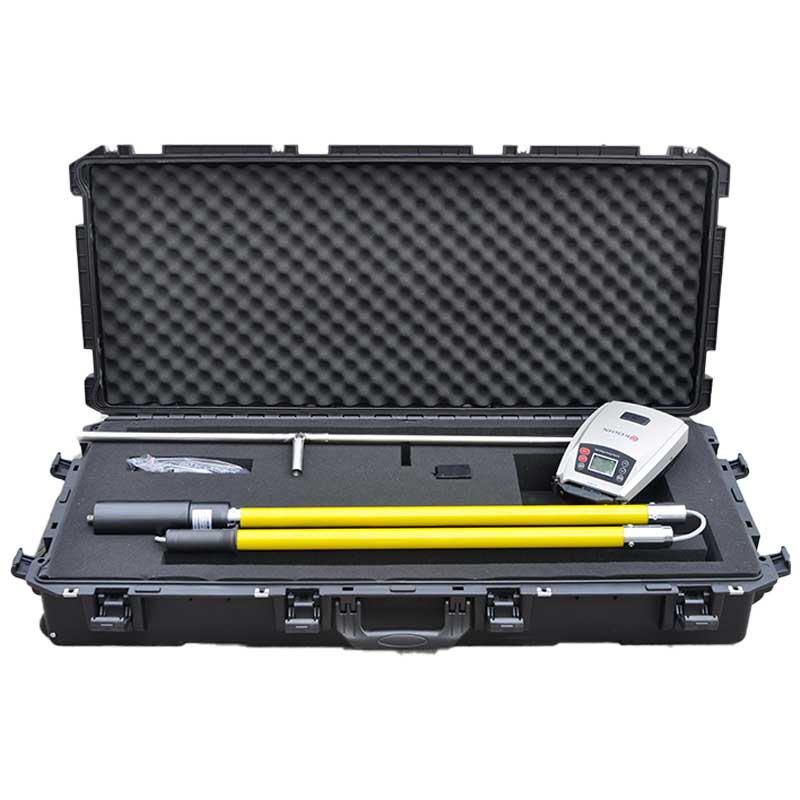
geomembrane leak detector decisions should start with a survey result with a clearly defined scope. This guide focuses on checking site readiness before selecting a detector and the information a buyer, site engineer or contractor needs before committing to a material or procedure. The practical question is whether the proposed arrangement fits the actual work, including method suitability, site readiness, coverage and repair verification. A familiar product name is a starting point for that review, rather than a substitute for the project drawings and acceptance requirements.
Consider a liner survey planned before the next construction trade takes over. The immediate discussion is about define the test objective, with equipment configuration as a related check. For geomembrane leak detector, these decisions are connected: changing one part of the arrangement can change the evidence needed elsewhere. Resolve the interfaces before the liner is accepted or covered by subsequent work, while details can still be revised without disturbing completed work. The following sections explain what to compare, which records to request and where a superficially simple purchase can leave a practical gap.
State whether the work must assess a seam, locate sheet defects or survey an installed liner system. Those objectives can require different methods.
Identify the stage of construction and the accessible area before selecting equipment. A seam tester and a whole-area electrical survey tool should not be treated as interchangeable. The project test plan should show what each method addresses and which areas or defect types remain outside its agreed scope.
Request a test-objective and method coverage schedule. Use it to resolve the risk of using one test result to claim coverage outside its scope before the next activity begins. Keep the accepted basis available to the team carrying out this part of the work.
Confirm the exact detector model, probes, cables, accessories and intended method. Ask for the applicable operating instructions and required verification arrangements.
A product family name is not enough to establish the configuration supplied. Include inspection and service expectations where relevant. Keep equipment capability separate from practitioner competence and site readiness, because the result depends on all three rather than on the instrument purchase alone.
The geomembrane leak detector review should produce a model-specific equipment and accessory schedule. This makes the decision about equipment configuration traceable and helps prevent ordering a detector without the accessories for the intended method. Agree who prepares the evidence and who reviews it before work proceeds.
Record indications in a location system the repair crew can recover. Use panel references, coordinates or another agreed basis and keep the units consistent.
Marking a defect on the sheet may help immediate work, but it should be supported by a durable record. Review uncertain indications through the method procedure. A list of defect counts without locations cannot support efficient repairs or explain which areas need subsequent verification.
A useful checkpoint for geomembrane leak detector is a located indication register. Check that it describes the actual proposed arrangement. If the package still depends on providing defect counts without recoverable locations, return that point for clarification before accepting the corresponding work.
Establish which calibration, verification or function checks are required for the instrument and method. Record the equipment identity and relevant results.
A powered display does not demonstrate that the complete test arrangement is functioning as intended. Follow the applicable instructions after transport, maintenance or setup changes. Keep these checks distinct from the final survey conclusion so a reader can see both that the equipment was ready and what the survey actually found.
For geomembrane leak detector, request a instrument identification and function-check record. Use it to resolve the risk of equating power-on with verified instrument readiness before the next activity begins. Keep the accepted basis available to the team carrying out this part of the work.
An electrical method needs the appropriate circuit and site conditions for that method. Review the conductivity of the relevant layers and the intended return path.
An insulating void or an unintended conductive bypass can affect the result. The technician should verify readiness rather than assuming the system is electrically suitable because the geomembrane is present. Keep the setup and its limitations in the survey record so the result can be interpreted in context.
The geomembrane leak detector review should produce a electrical setup and readiness verification. This makes the decision about electrical return path traceable and helps prevent assuming an electrical method works without a suitable circuit. Agree who prepares the evidence and who reviews it before work proceeds.
Map the planned survey area and identify excluded or inaccessible zones before testing starts. Include structures, equipment and temporary obstructions that affect access.
Agree how those zones will be handled and reported. A completion statement should distinguish surveyed area from total facility area. Without that distinction, a report can appear comprehensive while leaving a critical junction or covered corner outside the actual work undertaken.
A useful checkpoint for geomembrane leak detector is a coverage map with explicit exclusions. Check that it describes the actual proposed arrangement. If the package still depends on reporting total facility area as surveyed area, return that point for clarification before accepting the corresponding work.
Select personnel who can explain the chosen method, site preparation and interpretation limitations. A detector demonstration is different from a complete project survey.
Request a method statement and clarify who confirms readiness, interprets indications and signs the report. Useful procurement questions concern the actual assembly and work stage. Avoid assuming that access to a device alone establishes the competence needed to survey complex boundaries or covered systems.
For geomembrane leak detector, request a practitioner responsibility and method statement. Use it to resolve the risk of equating detector ownership with a complete survey service before the next activity begins. Keep the accepted basis available to the team carrying out this part of the work.
Compare equipment supply with survey service on separate bases. A survey quotation should define area, method, readiness assumptions, reporting and repair verification.
State who provides preparation, access and any repeat visit. A lower price may exclude critical parts of the work rather than offer the same service more efficiently. Resolve those differences in the order so construction teams know what must be ready when the survey practitioner arrives.
The geomembrane leak detector review should produce a comparable survey-service scope. This makes the decision about service scope and quotations traceable and helps prevent comparing instrument price with a complete survey-service price. Agree who prepares the evidence and who reviews it before work proceeds.
Preserve the final survey, repair register and as-built liner information for the owner. Future penetrations, cleaning or earthworks can change the condition established at acceptance.
Identify how later work should be reviewed and documented. The value of the initial survey includes the baseline it creates, provided that its scope and locations remain recoverable. A report stored without the associated drawings is less useful when a later maintenance team needs to investigate a problem.
A useful checkpoint for geomembrane leak detector is a owner baseline record and later-work controls. Check that it describes the actual proposed arrangement. If the package still depends on losing the survey map during facility handover, return that point for clarification before accepting the corresponding work.
Compare geomembrane leak detector proposals on a common basis. The table below connects the principal decisions in this guide to the evidence that should support them. It is an assessment framework, not a claim that a particular product or installation has already passed these checks.
| Decision | Evidence to compare | Gap to resolve |
|---|---|---|
| Define the test objective | Test-objective and method coverage schedule | Using one test result to claim coverage outside its scope |
| Equipment configuration | Model-specific equipment and accessory schedule | Ordering a detector without the accessories for the intended method |
| Locate and mark indications | Located indication register | Providing defect counts without recoverable locations |
| Calibration and function checks | Instrument identification and function-check record | Equating power-on with verified instrument readiness |
Suppose two offers use the same geomembrane leak detector keyword but describe different arrangements. One includes a test-objective and method coverage schedule, while the other provides only a general description. Ask the second supplier to clarify the same requirement before treating the offers as equivalent. Then compare equipment configuration and locate and mark indications on the agreed basis. This hypothetical example illustrates the review sequence; it does not assign a passing result to either offer.
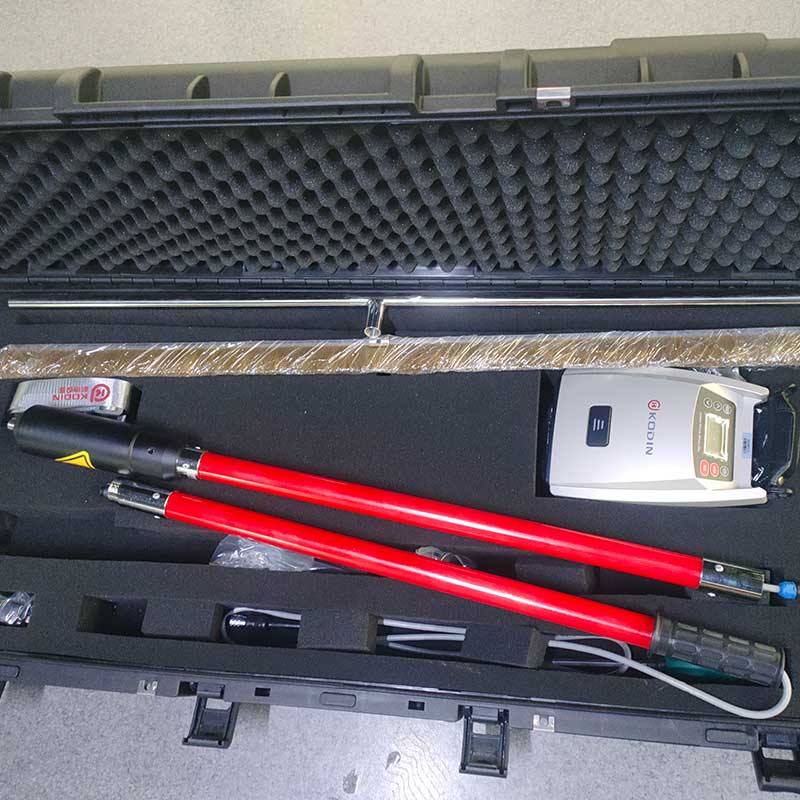
For the technical discussion, review the KODIN-7DJ Geomembrane Leak Detector product page and the related product family. Use those pages to identify the material or equipment being discussed, then send the actual application, drawing and required evidence for confirmation. The geomembrane leak detector purchase description should preserve any project-specific conditions that remain subject to technical review.
For further reading, consult the Geosynthetic Institute technical white papers. Use the relevant publication within its stated scope and check the applicable edition. The geomembrane leak detector submittal still needs evidence for the proposed product and project; an external reference is not a certificate or approval of this shipment.
Send Taiji your geomembrane leak detector application and the current drawings, along with the required quantity, delivery destination and planned construction or operating sequence. Include the questions raised by checking site readiness before selecting a detector, especially the test-objective and method coverage schedule and model-specific equipment and accessory schedule. A clear brief helps the team discuss a suitable supply configuration and the documentation needed for your review.
Start with a survey result with a clearly defined scope. For the topic covered here, prioritize define the test objective and request a test-objective and method coverage schedule. The decision should fit the actual application rather than depend on the product name alone.
Request a model-specific equipment and accessory schedule and a located indication register. Keep the proposed product or equipment identity visible so the records can be related to the delivered goods and intended method. Ask for clarification where those records describe different conditions.
Use common scope, property definitions and project assumptions. Compare calibration and function checks alongside electrical return path, and resolve missing evidence before relying on a price difference. Similar wording in two quotations does not establish equivalent arrangements.
Avoid using one test result to claim coverage outside its scope. Also check for reporting total facility area as surveyed area. These issues concern how the product or procedure is used, so reviewing the installation or operating sequence is as important as checking the supplied description.
Send the application, relevant drawing, quantity or work area, location and intended schedule. Add the information needed for qualified personnel and method statement and service scope and quotations. State any required test evidence so the response can address the actual project scope.
Project Support
Tell us about the application, material requirements and delivery destination. We will respond with practical product guidance.