Enquête sur le projet
Parlez-nous de votre projet
Partagez le type de produit, l'application, les dimensions, la quantité et la destination de livraison Notre équipe répondra avec des conseils pratiques sur le produit et l'approvisionnement.

Geotextile tube applications for coastal protection, marine construction, temporary works, sediment and sludge dewatering, and ecological restoration.
Geotextile Tube Applications
Flexible containment, coastal protection and dewatering systems built with high-strength woven geotextile tubes.
System Functions
Geotextile tubes combine a high-strength woven container with hydraulic filling. The selected fabric, seam design, tube dimensions and filling method are matched to the retained material, site geometry and required service life.
Retains sand, sediment, sludge or organic solids within a defined engineered footprint.
Allows water to pass through the fabric while retaining the designed solid fraction.
Reduces moisture and material volume through repeated filling and gravity drainage.
Forms flexible barriers, working bases and dike cores after the retained fill consolidates.
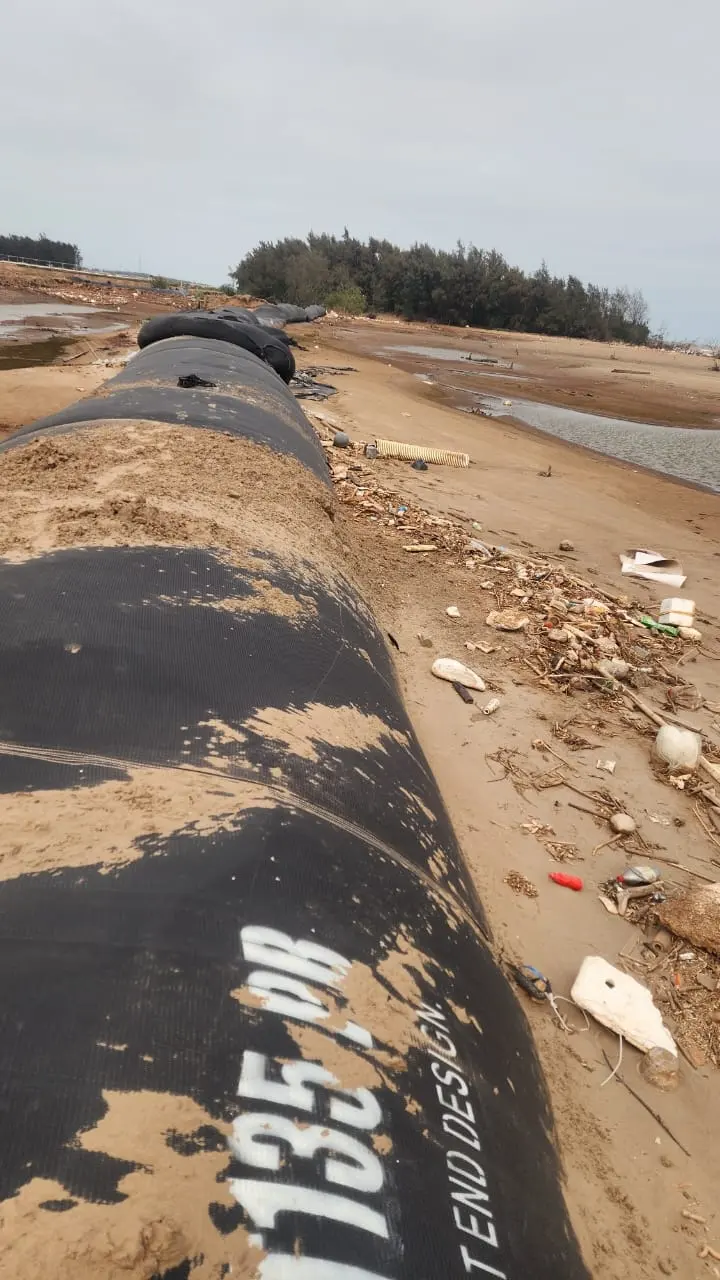
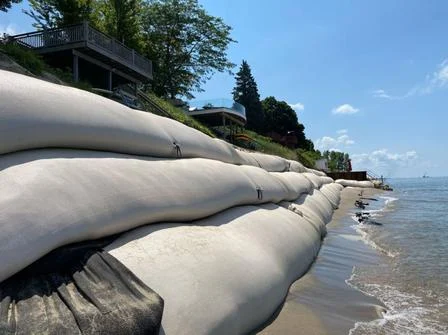
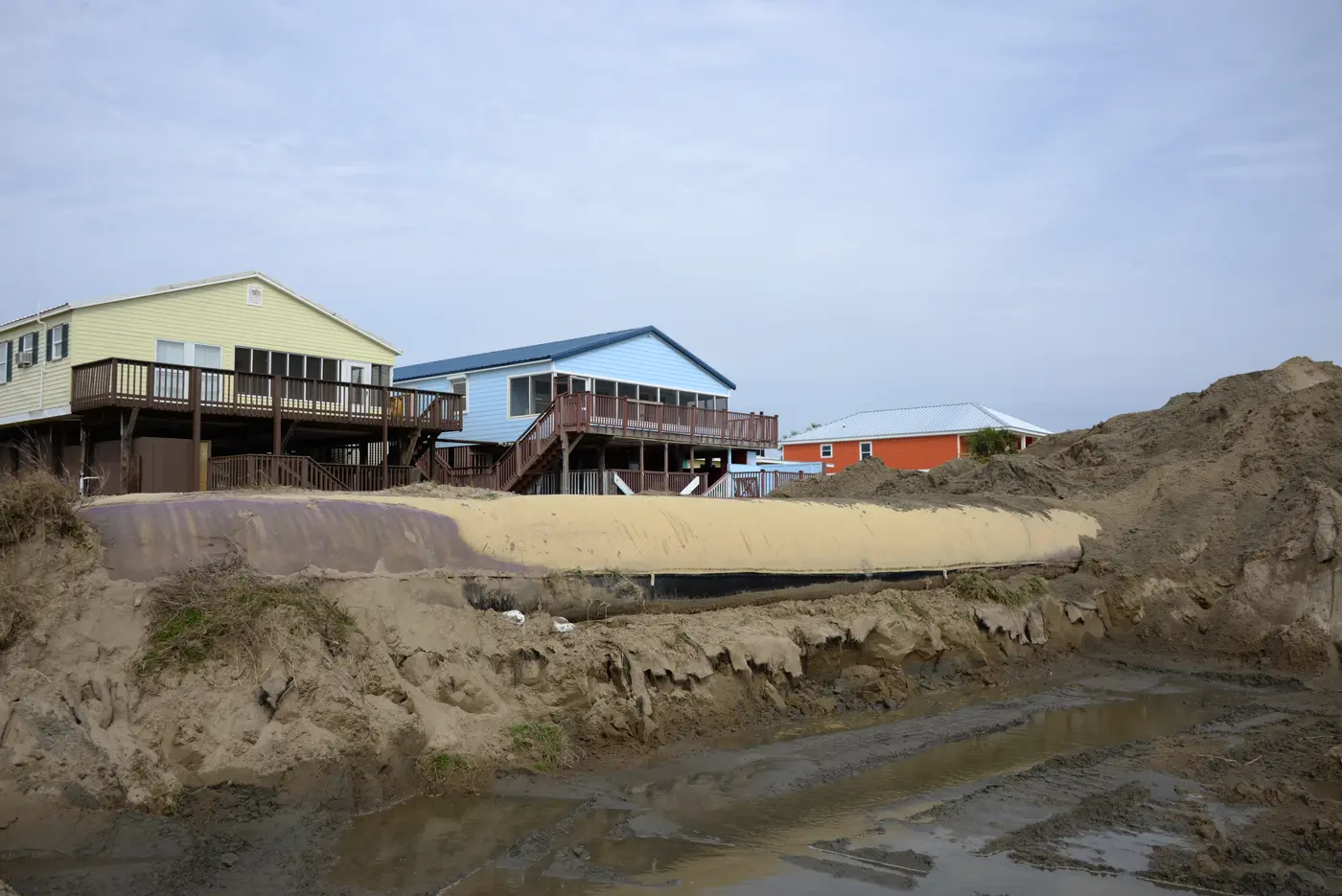
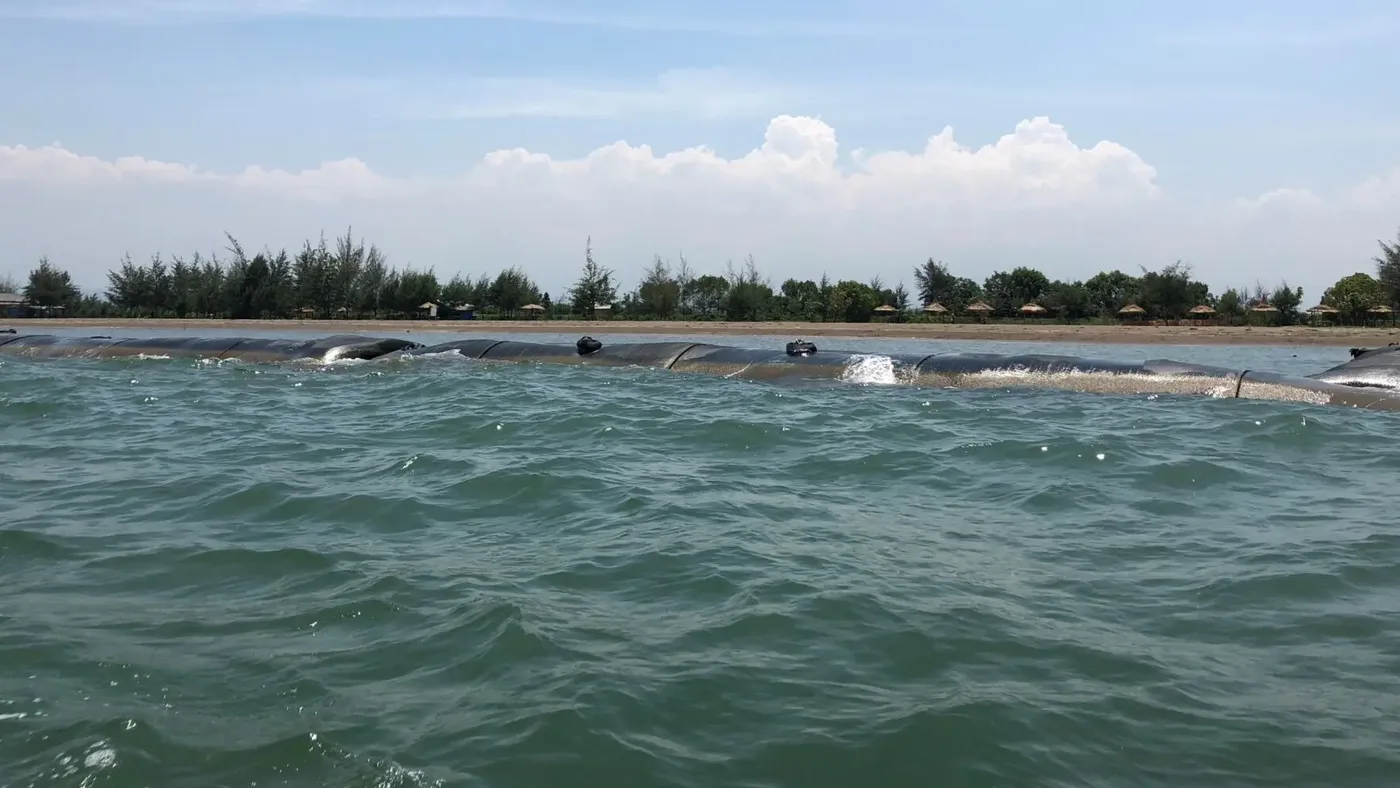
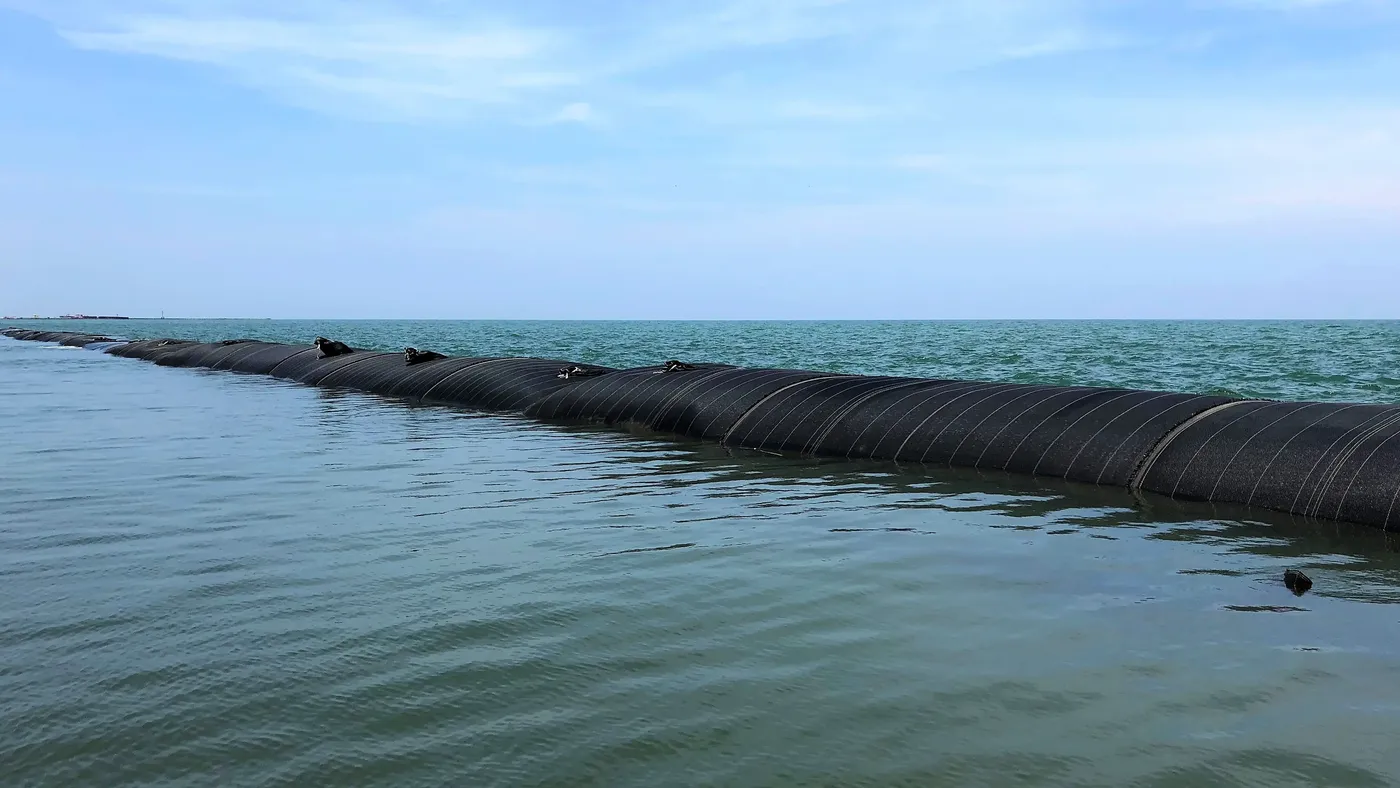
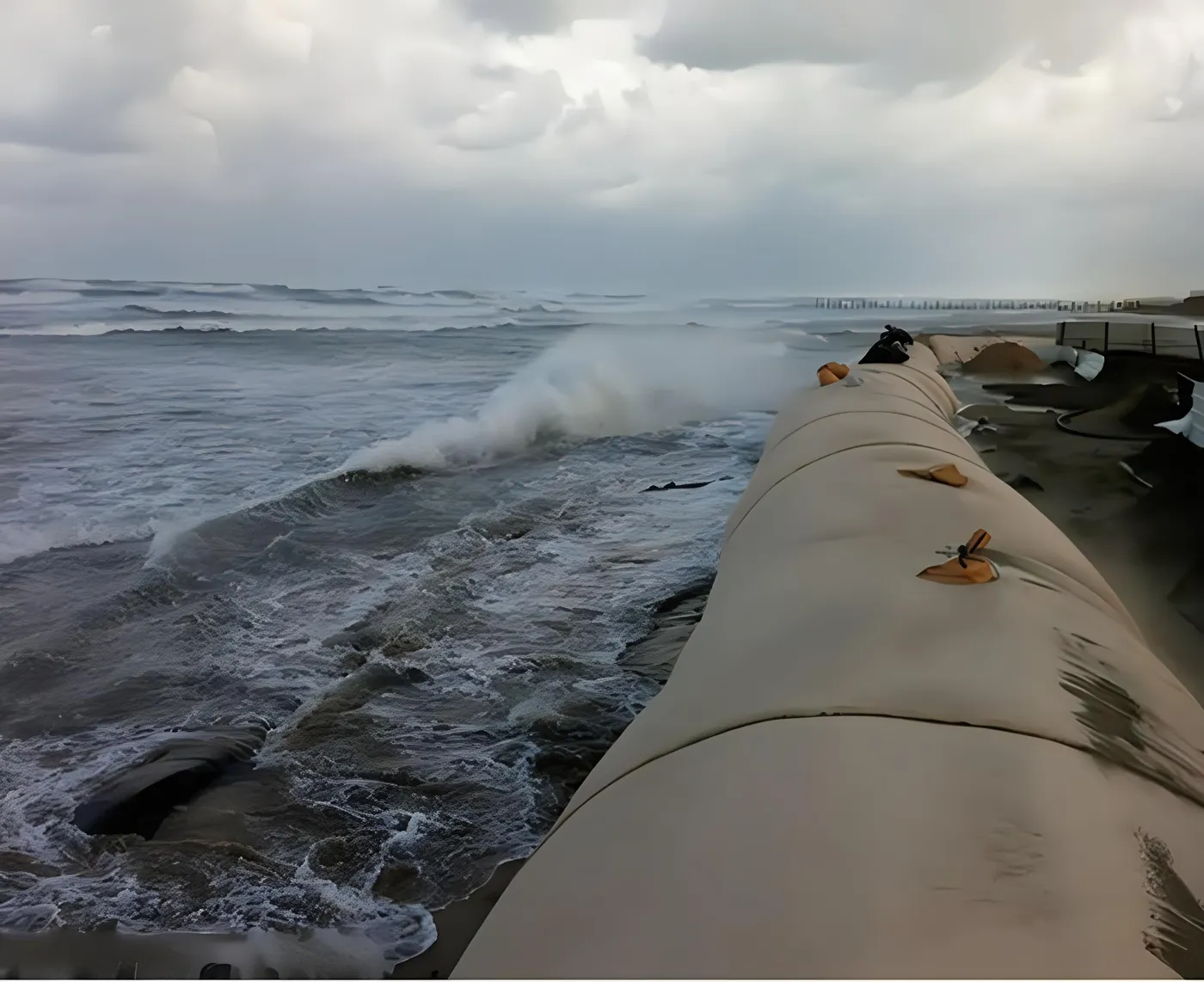
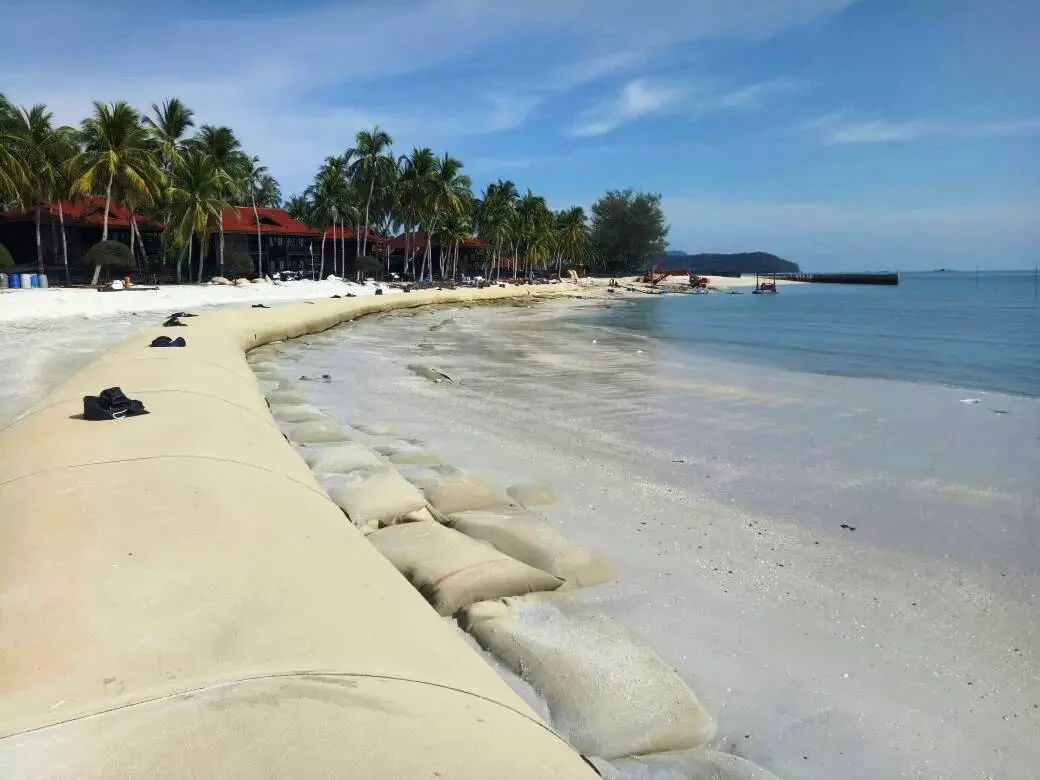
01 / Coastal Protection
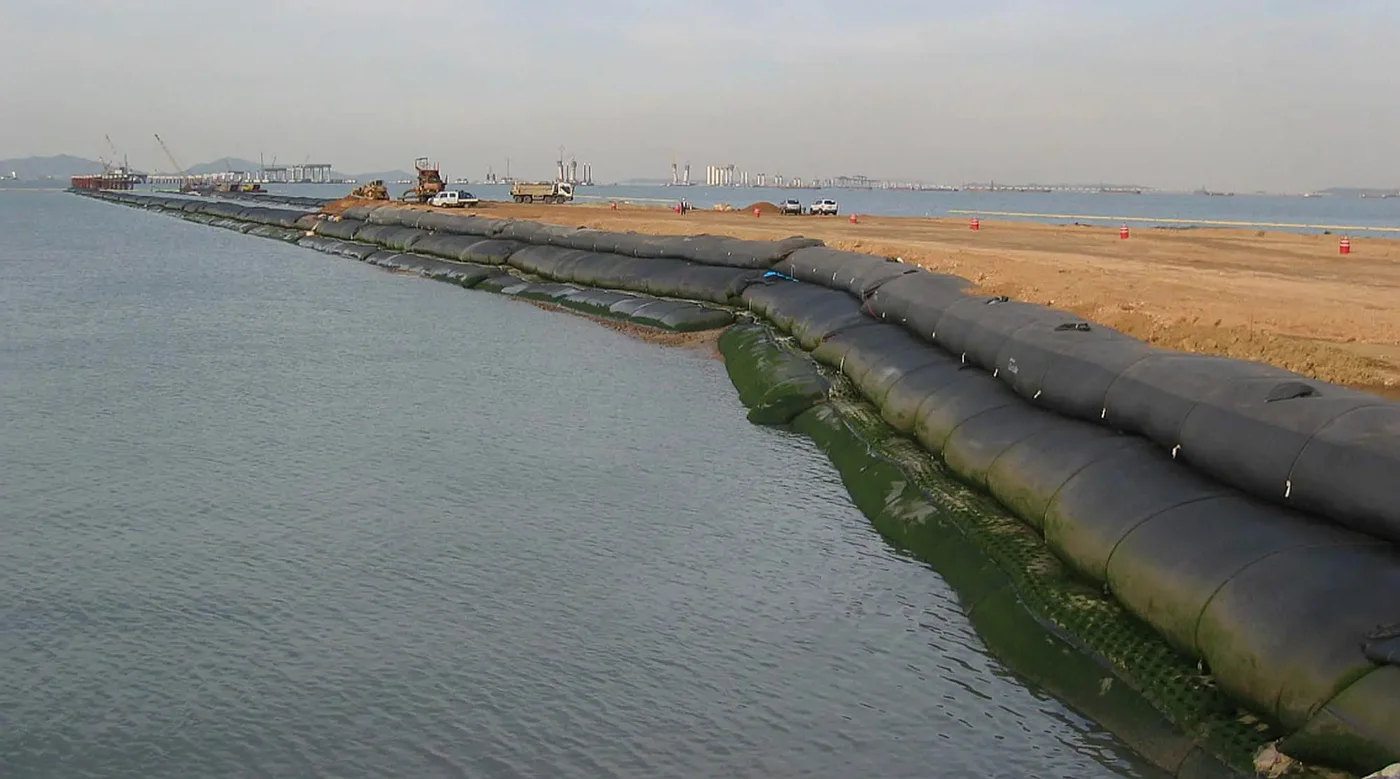
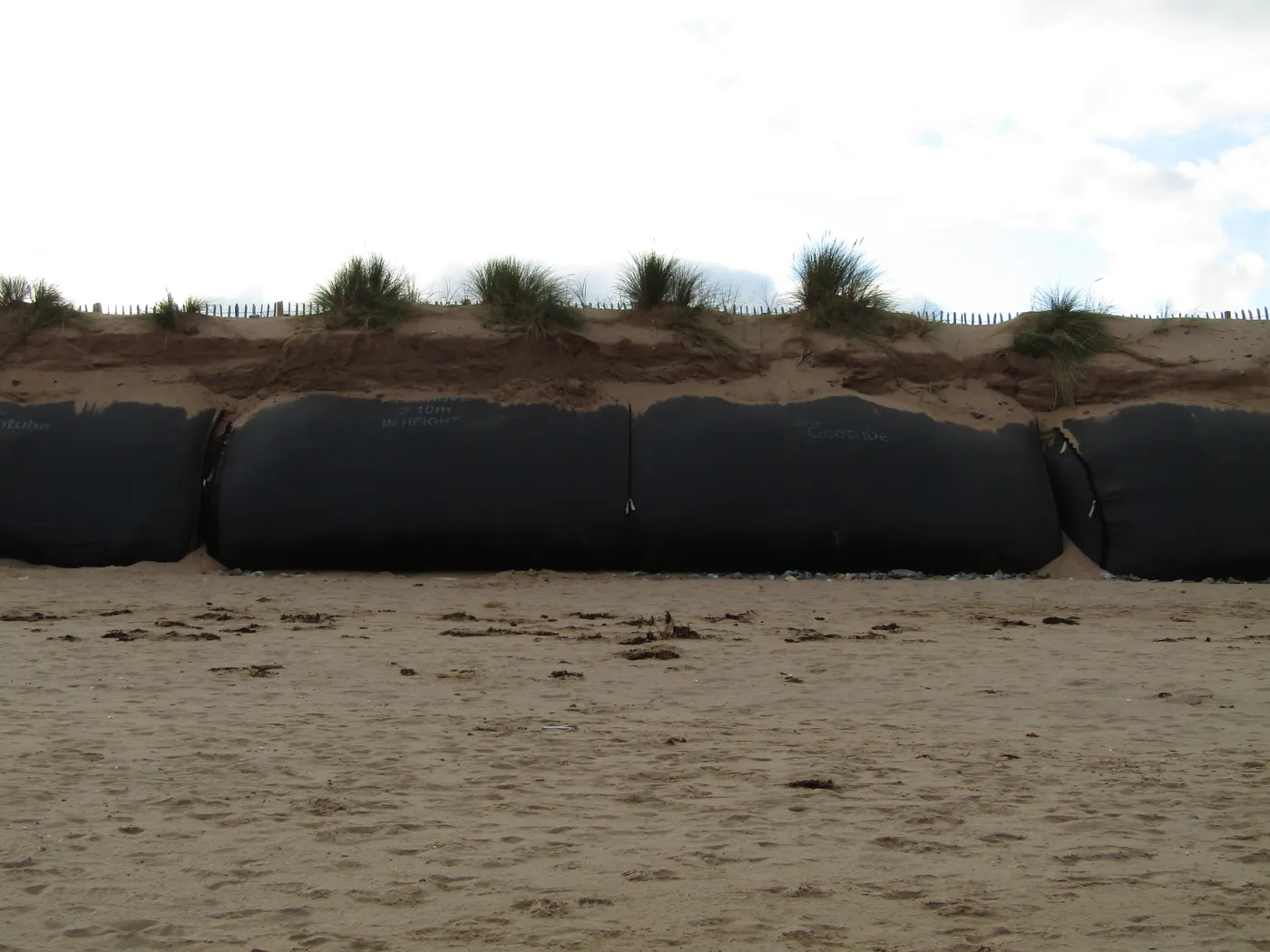
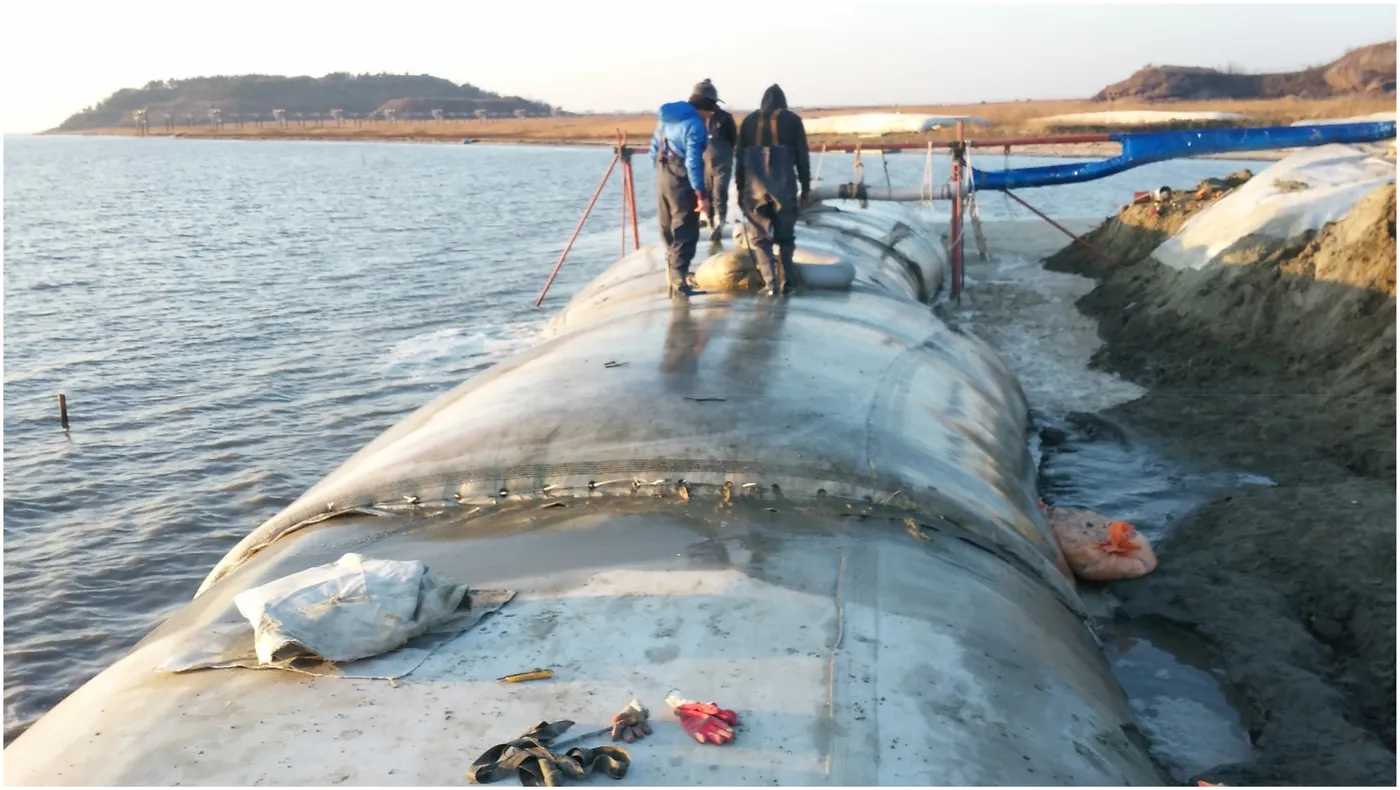
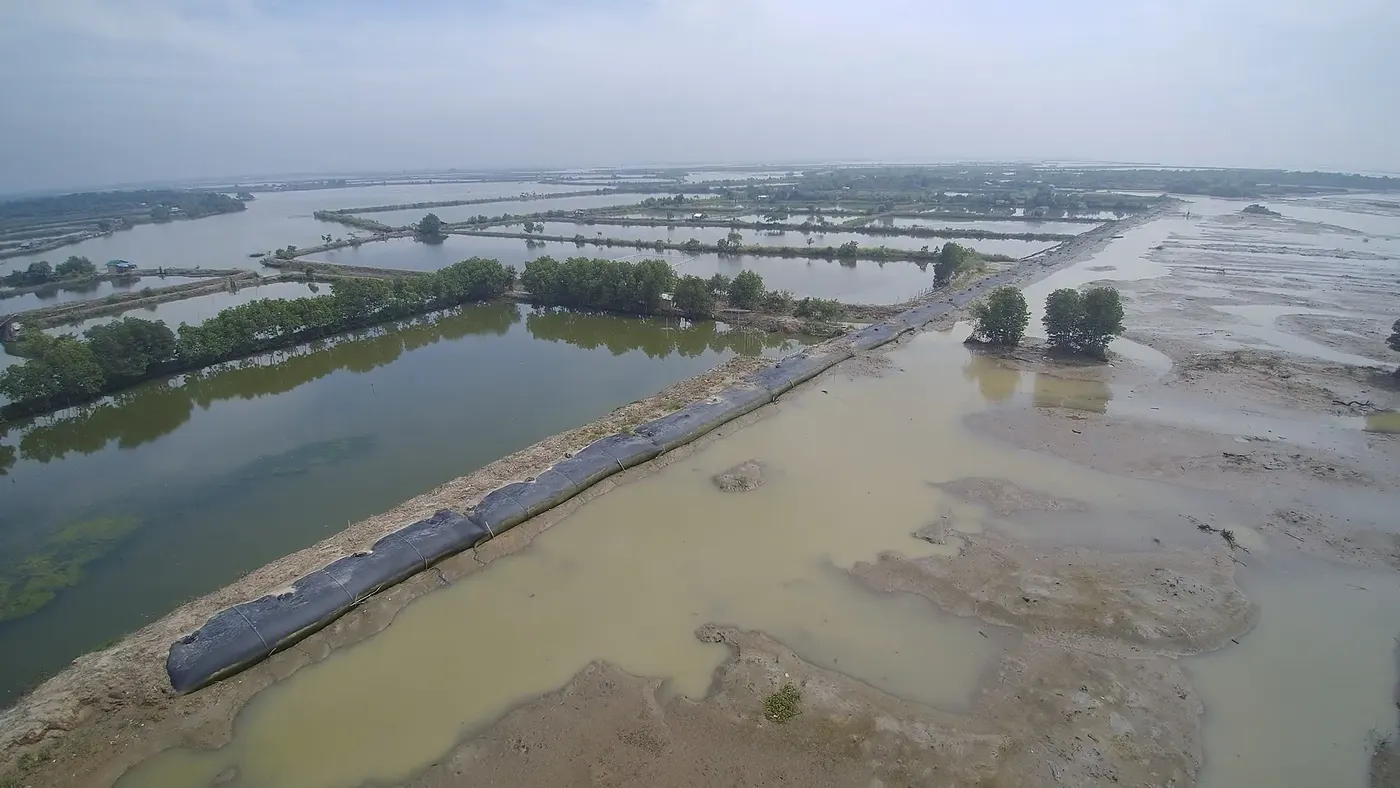
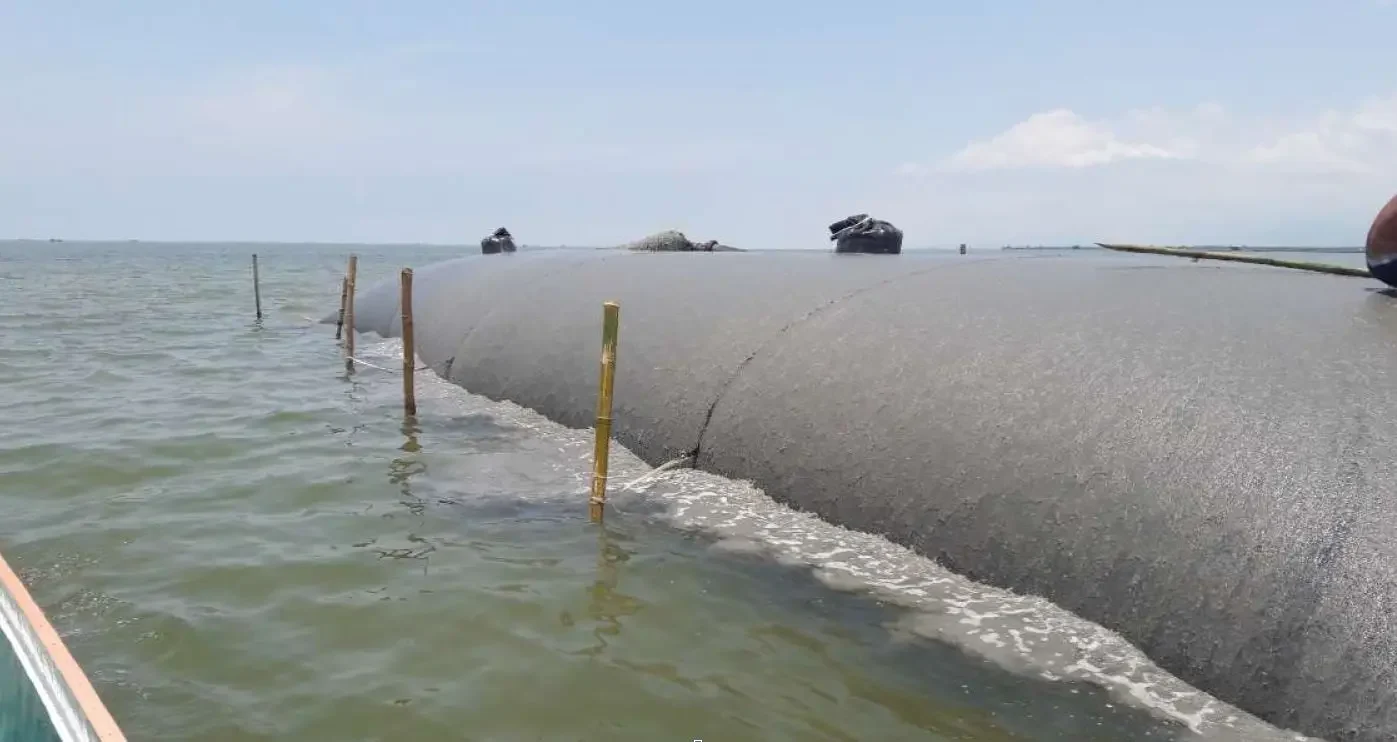
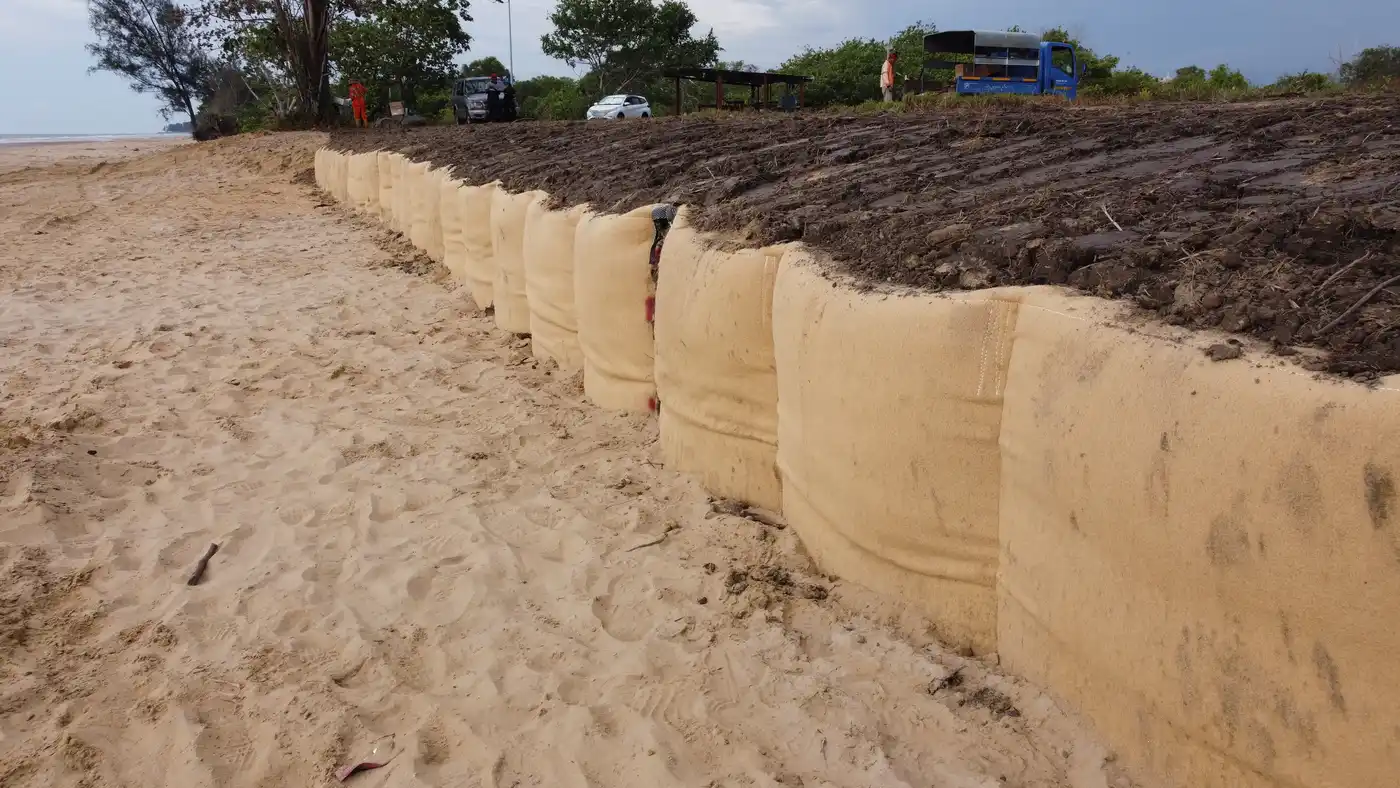
High-strength UV-stabilized geotextile tubes are placed along shorelines or offshore and hydraulically filled with local sea sand or dredged sediment. Water drains through the engineered fabric while the retained sand consolidates into a flexible barrier that dissipates wave energy, reduces erosion and helps stabilize beaches, seawalls and breakwaters.
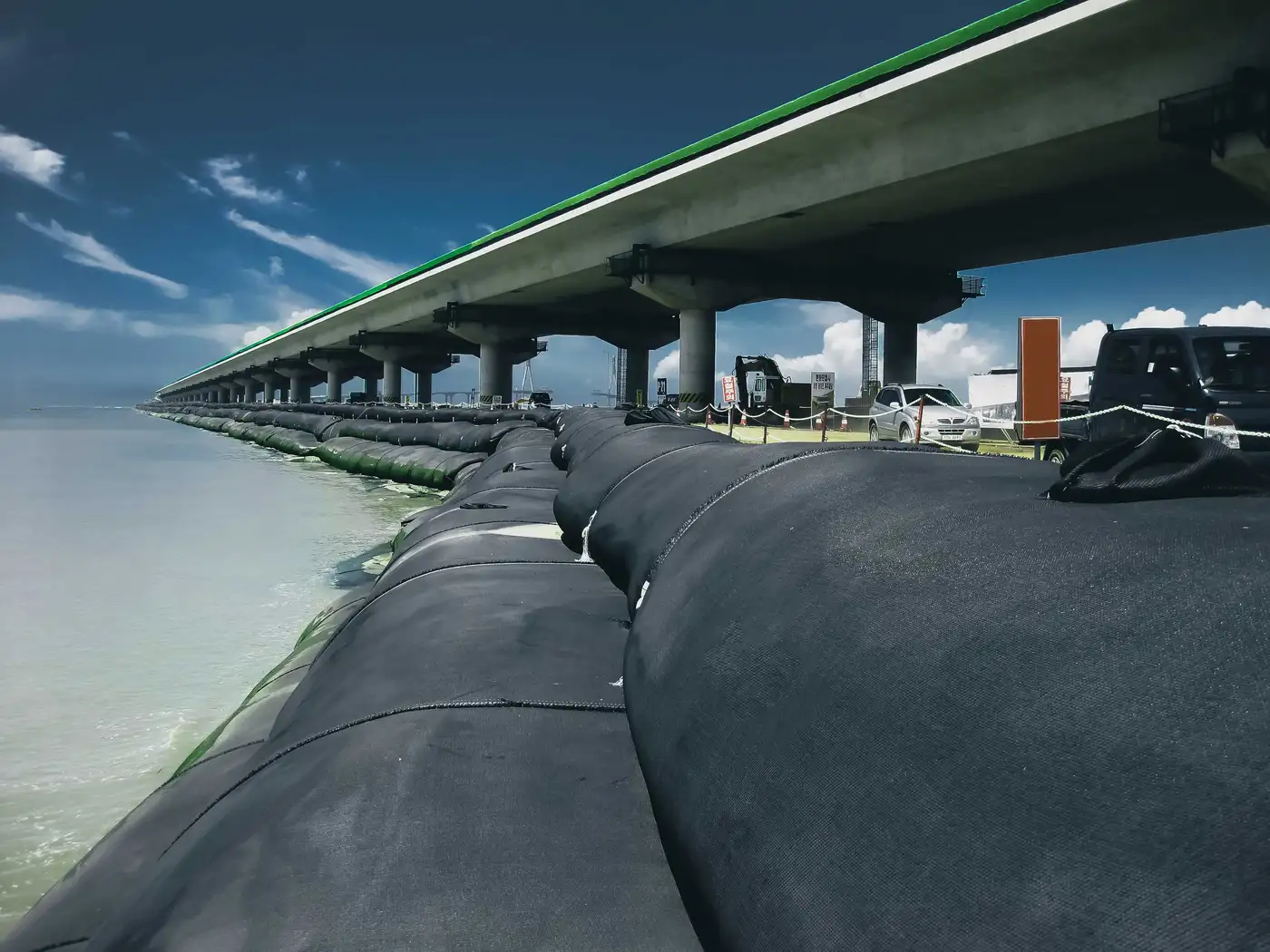
02 / Marine Construction
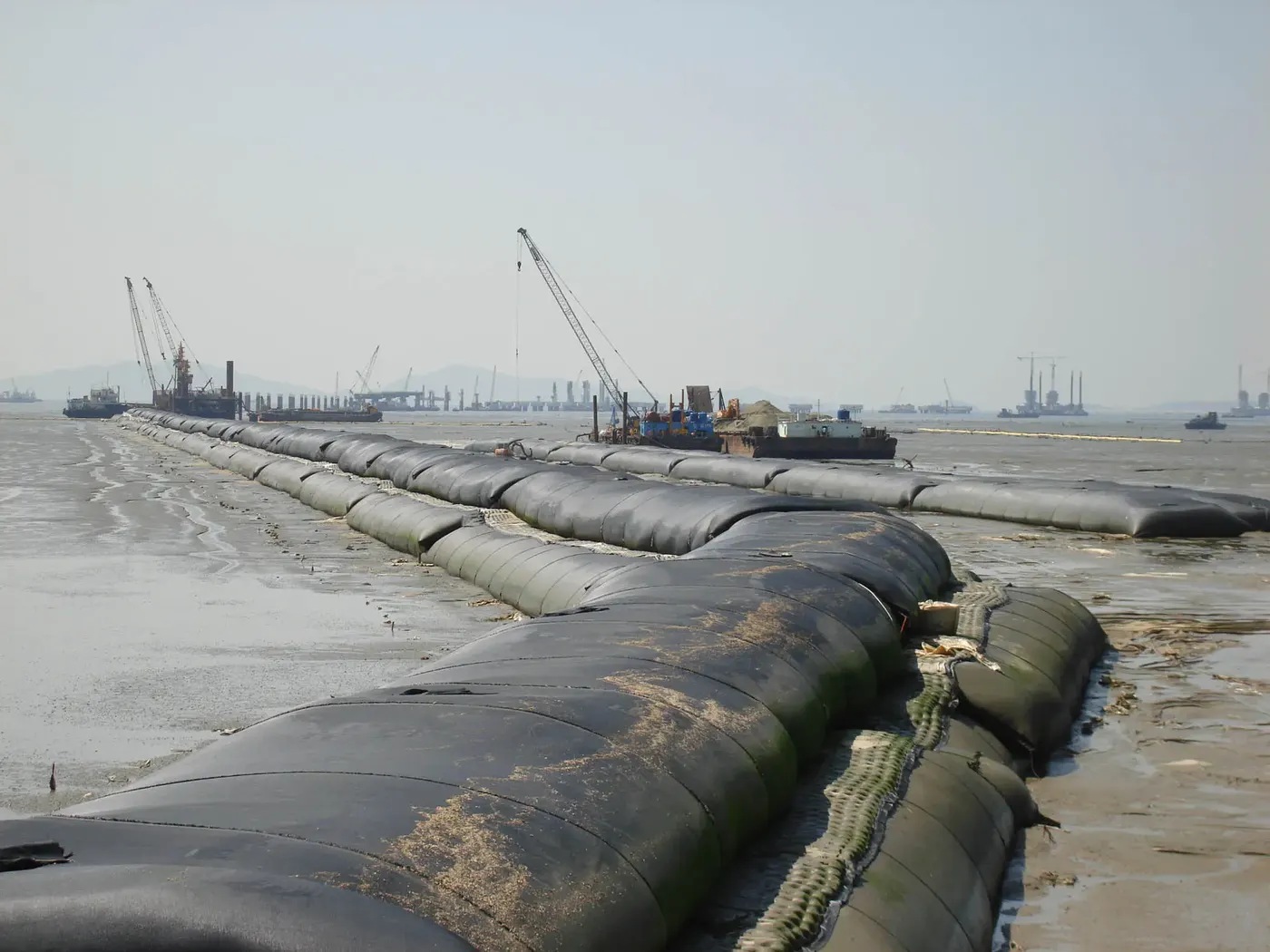
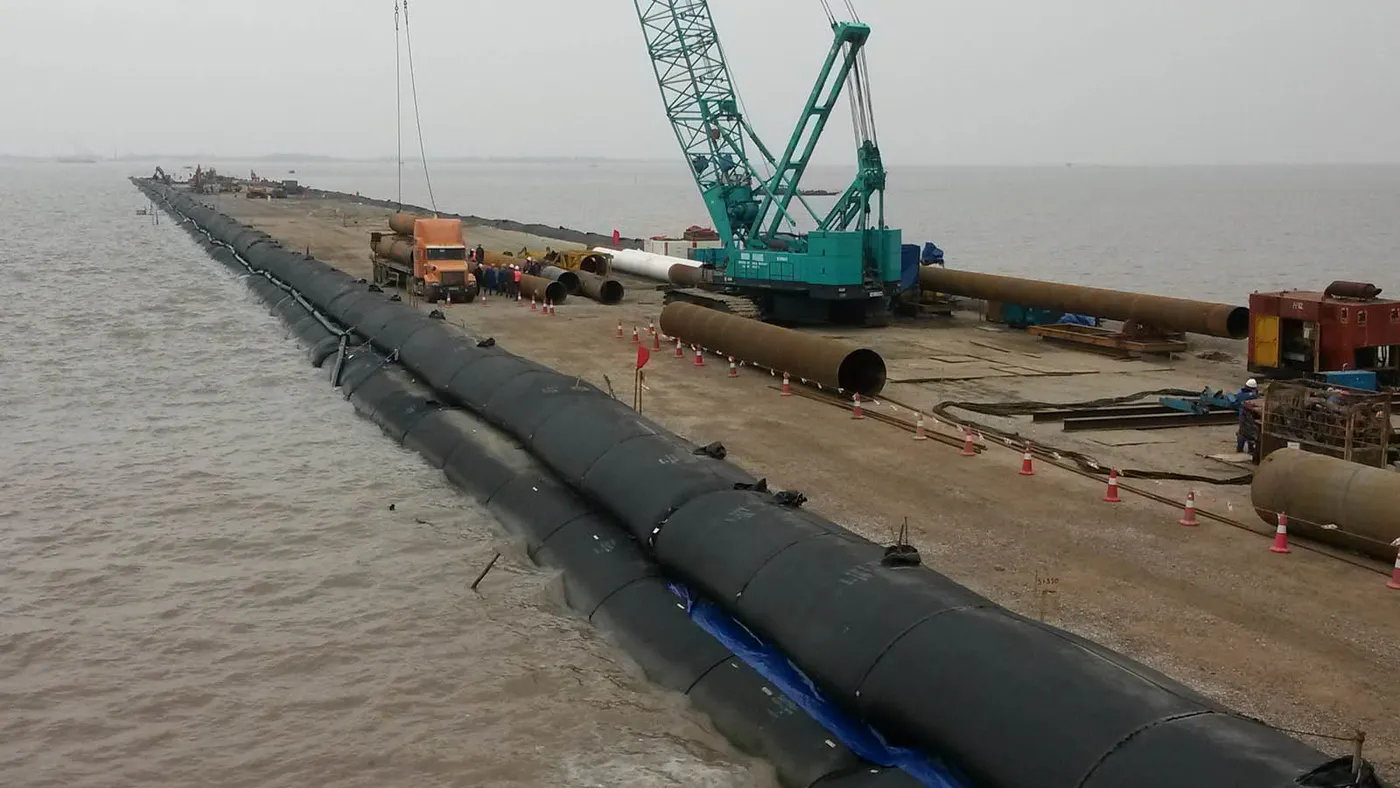
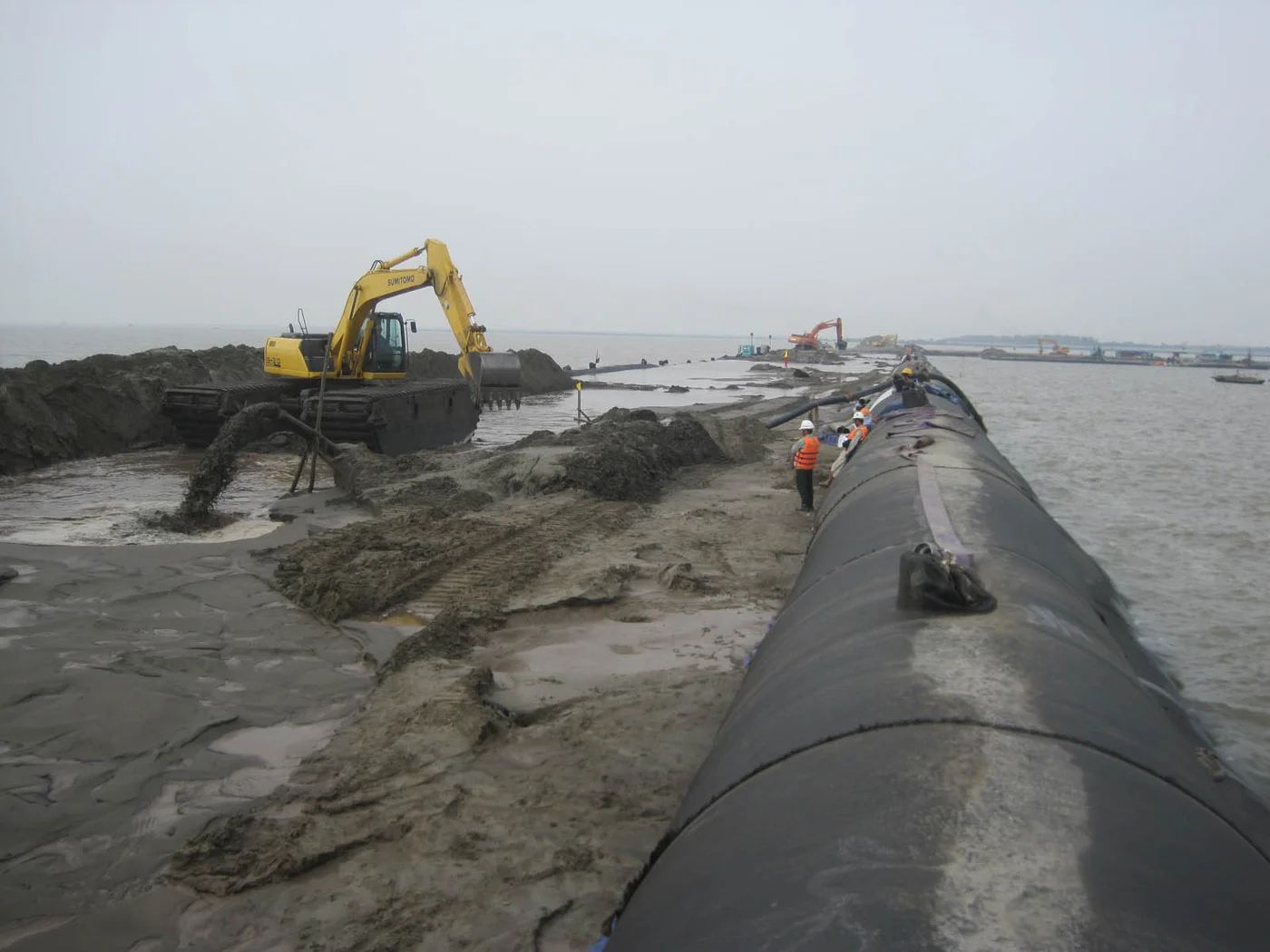
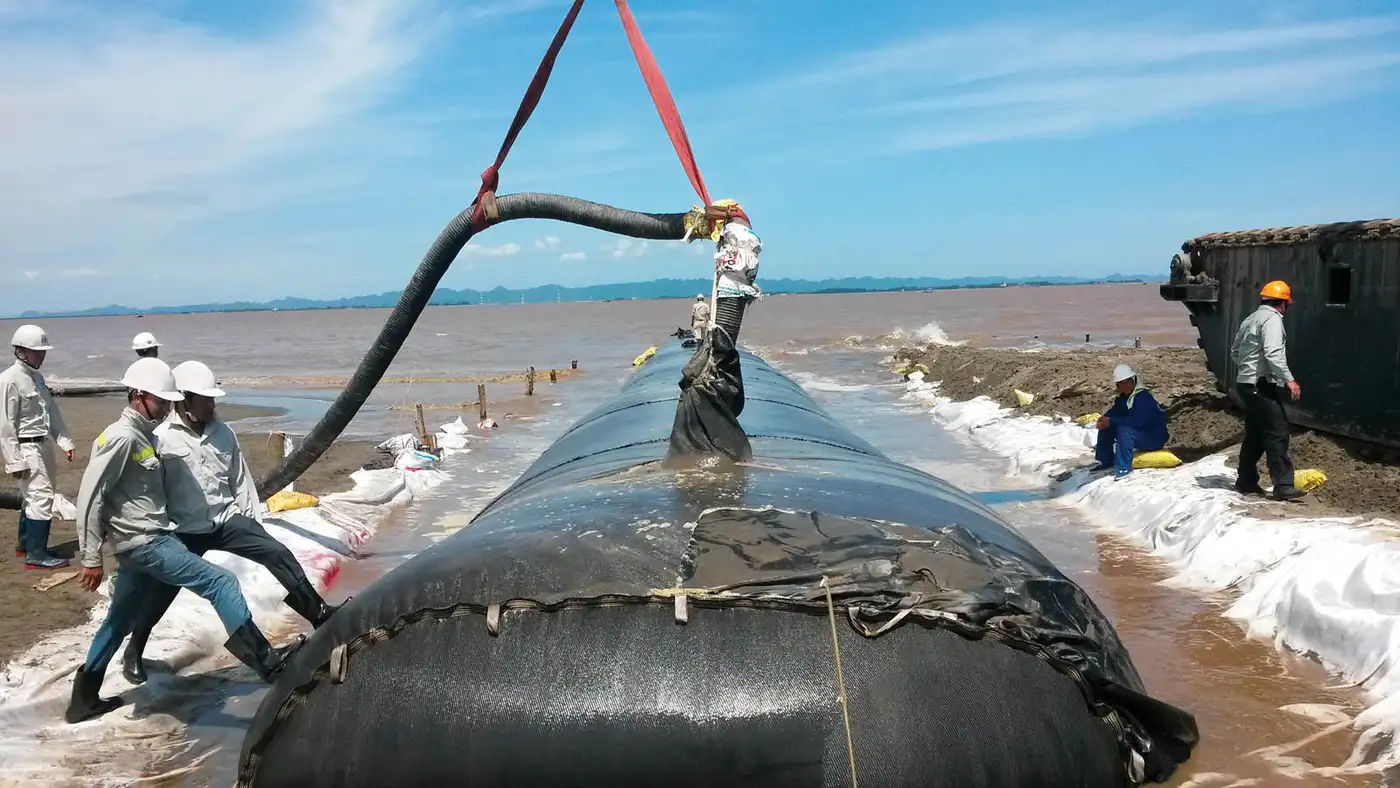
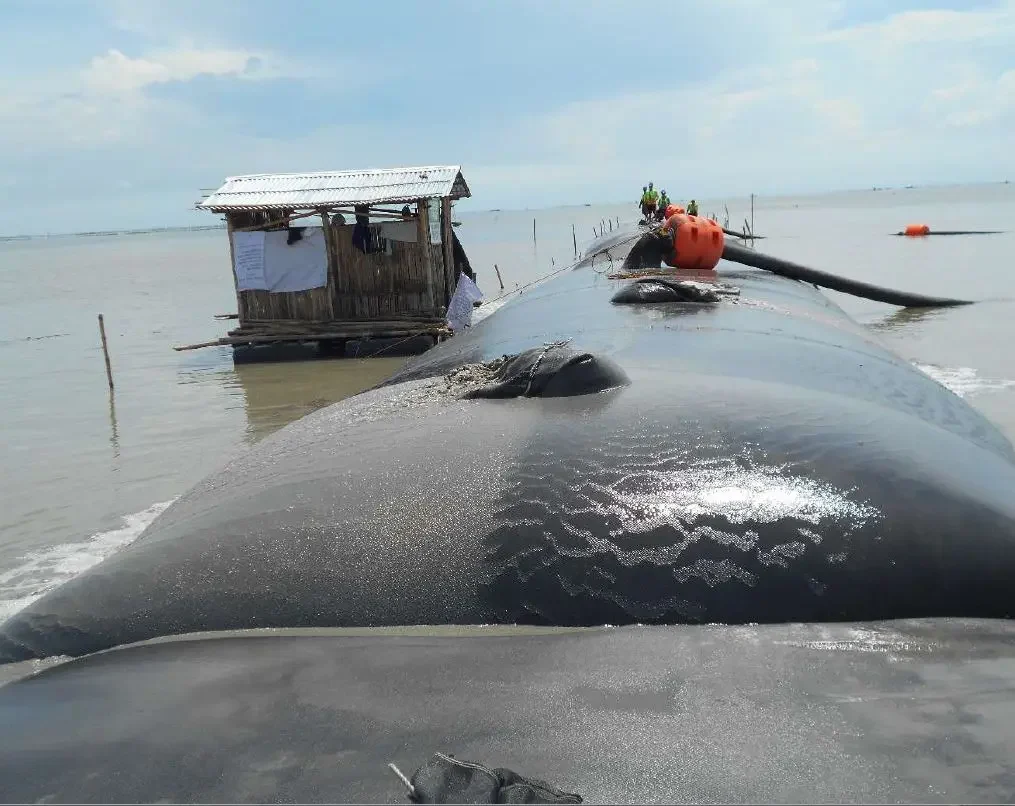
Large geotextile tubes form the core dikes for land reclamation, artificial islands and wetland reconstruction. Tubes filled with sea sand or dredged sediment can be stacked in staggered layers to create continuous cofferdams, accommodate uneven settlement on soft seabeds and reduce ecological disturbance compared with rock-fill or steel-sheet-pile solutions.
03 / Temporary Works
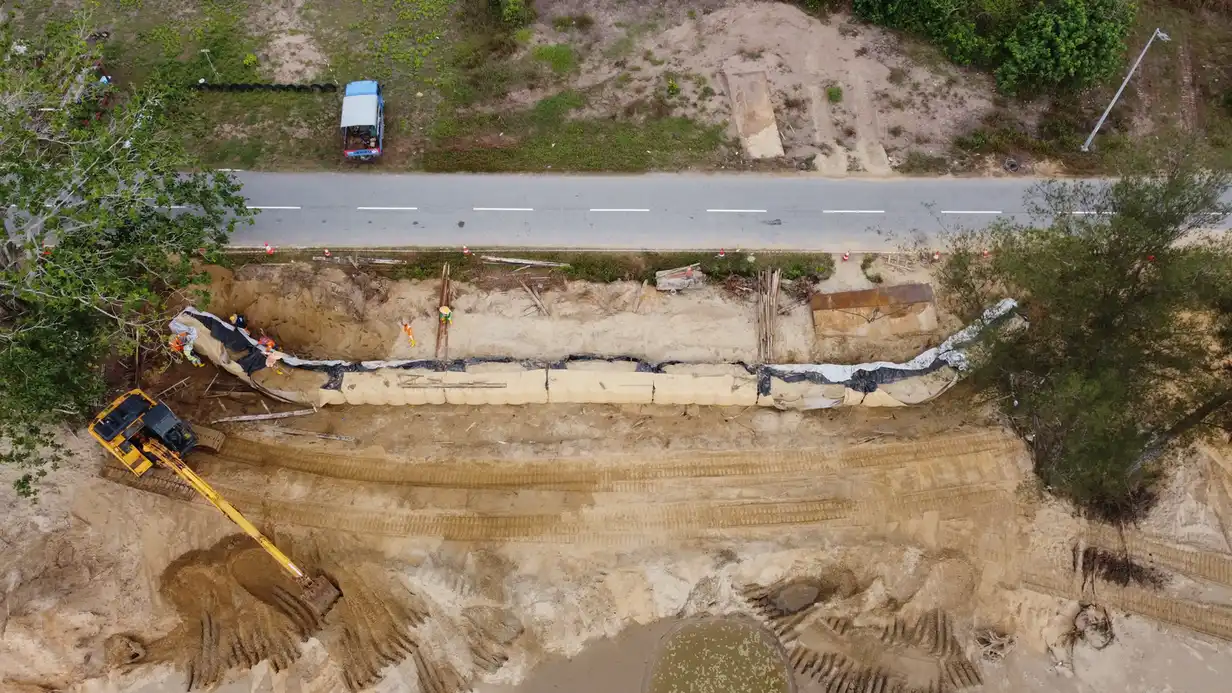
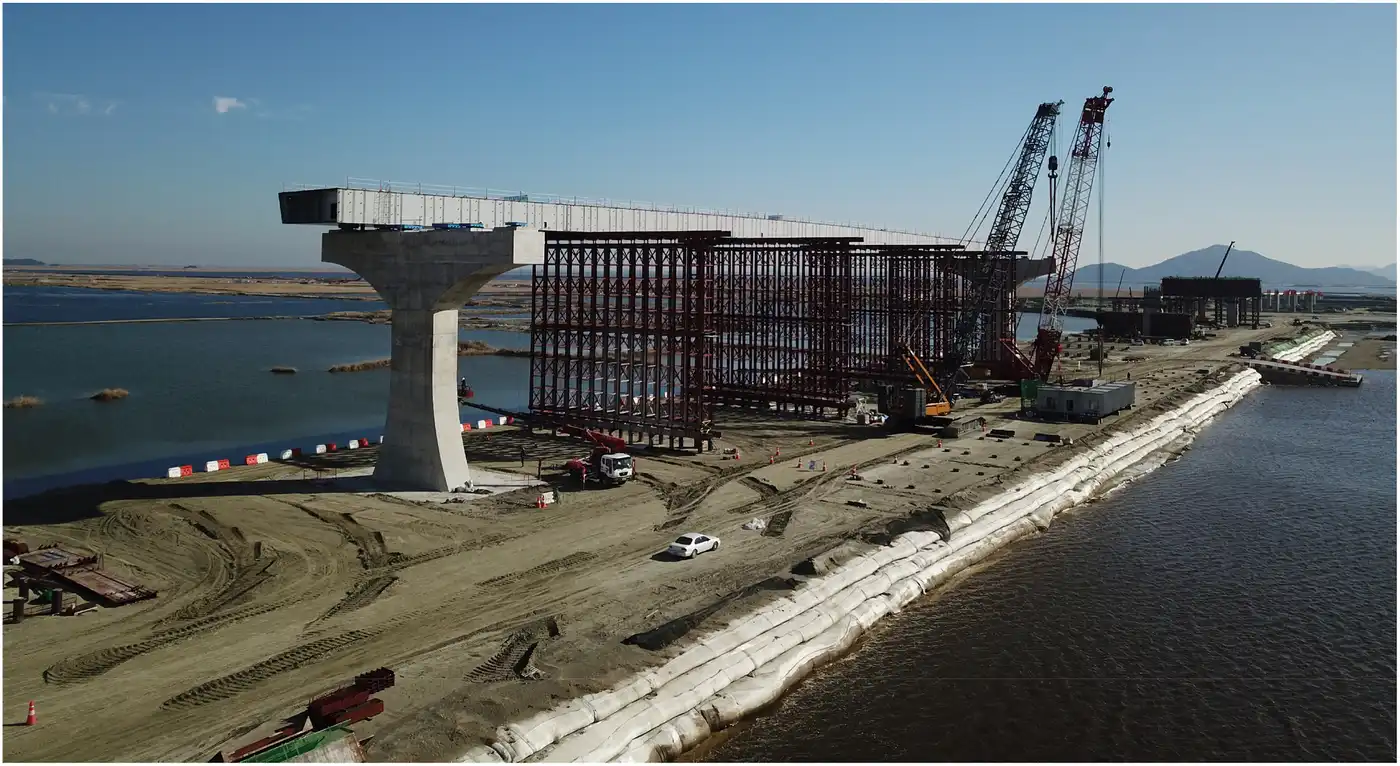
On tidal flats, muddy ground and offshore sites, sand-filled geotextile tubes create stable bases for temporary working platforms and access roads. Tubes can form a closed perimeter for granular backfill or be laid side by side beneath a crushed-stone surface, supporting construction traffic while adapting to soft-ground settlement.
04 / River and Lake Dredging
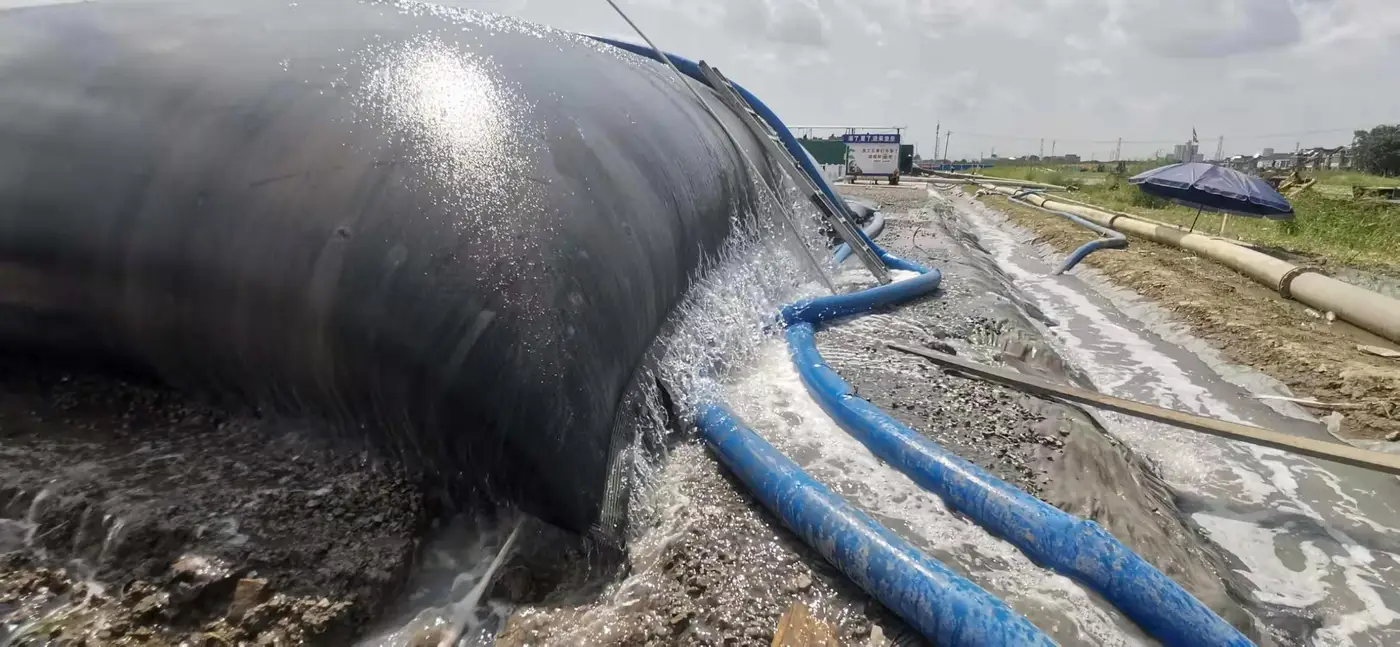
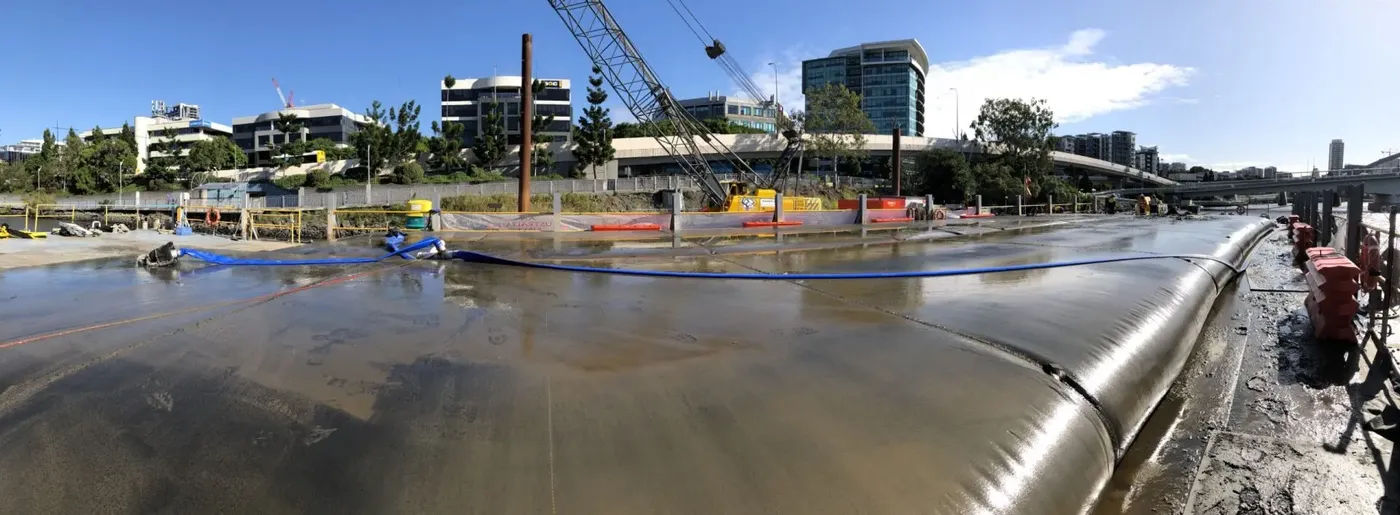
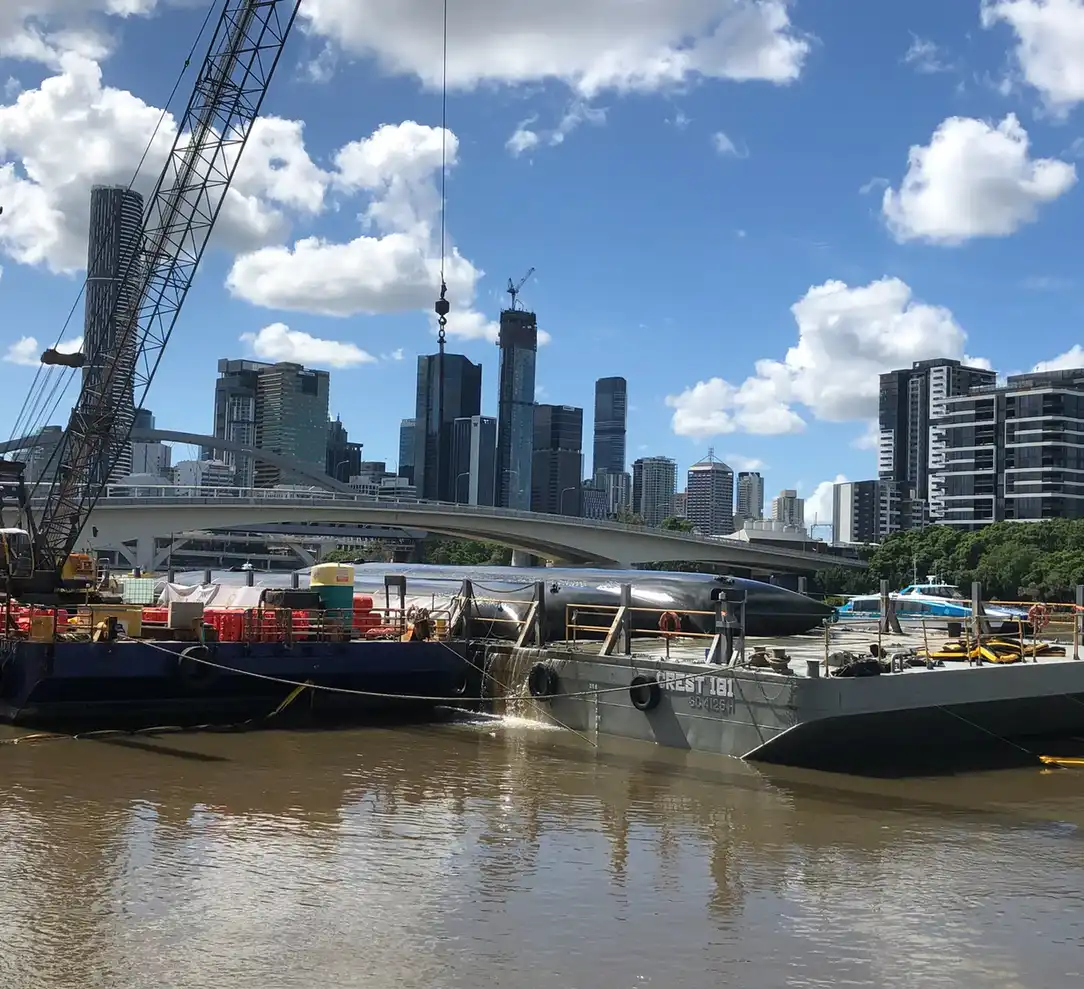
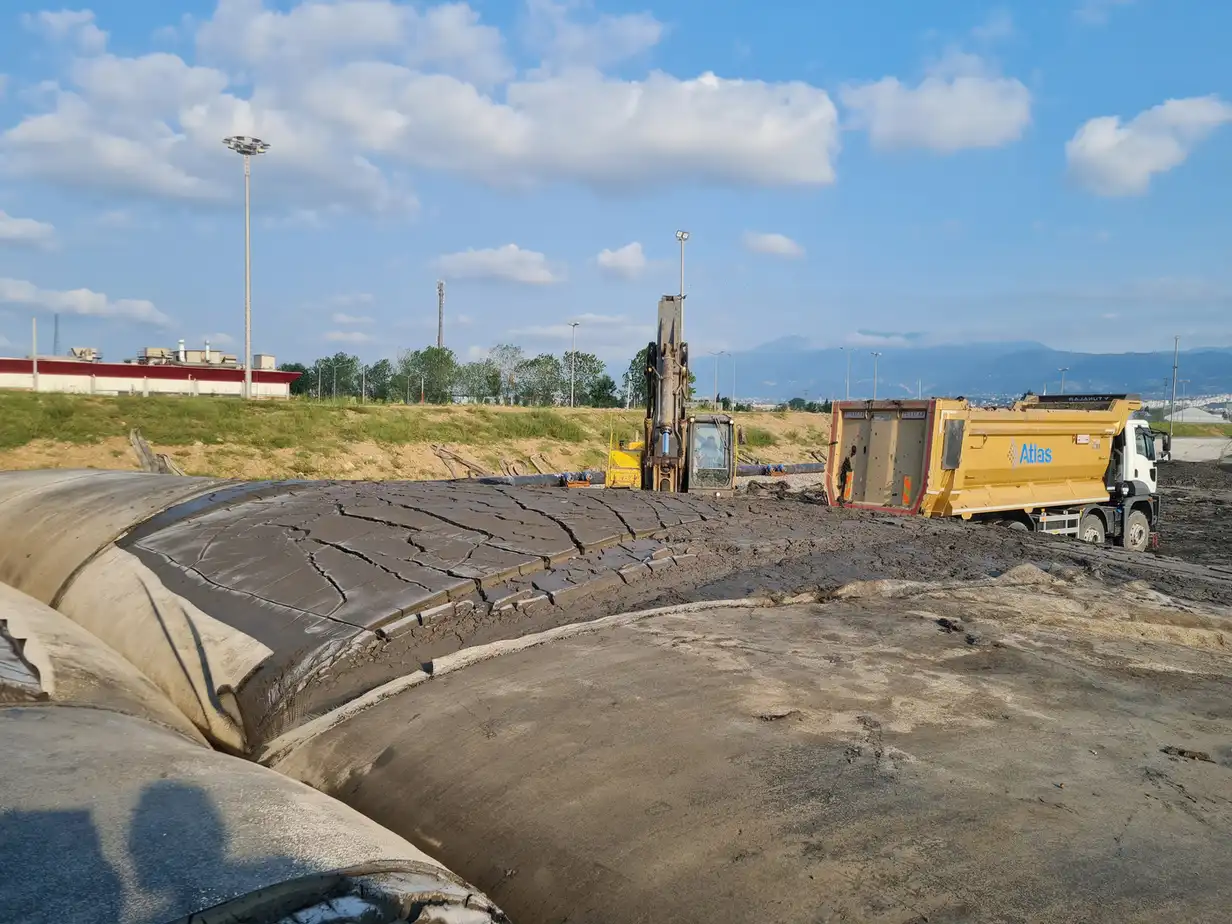
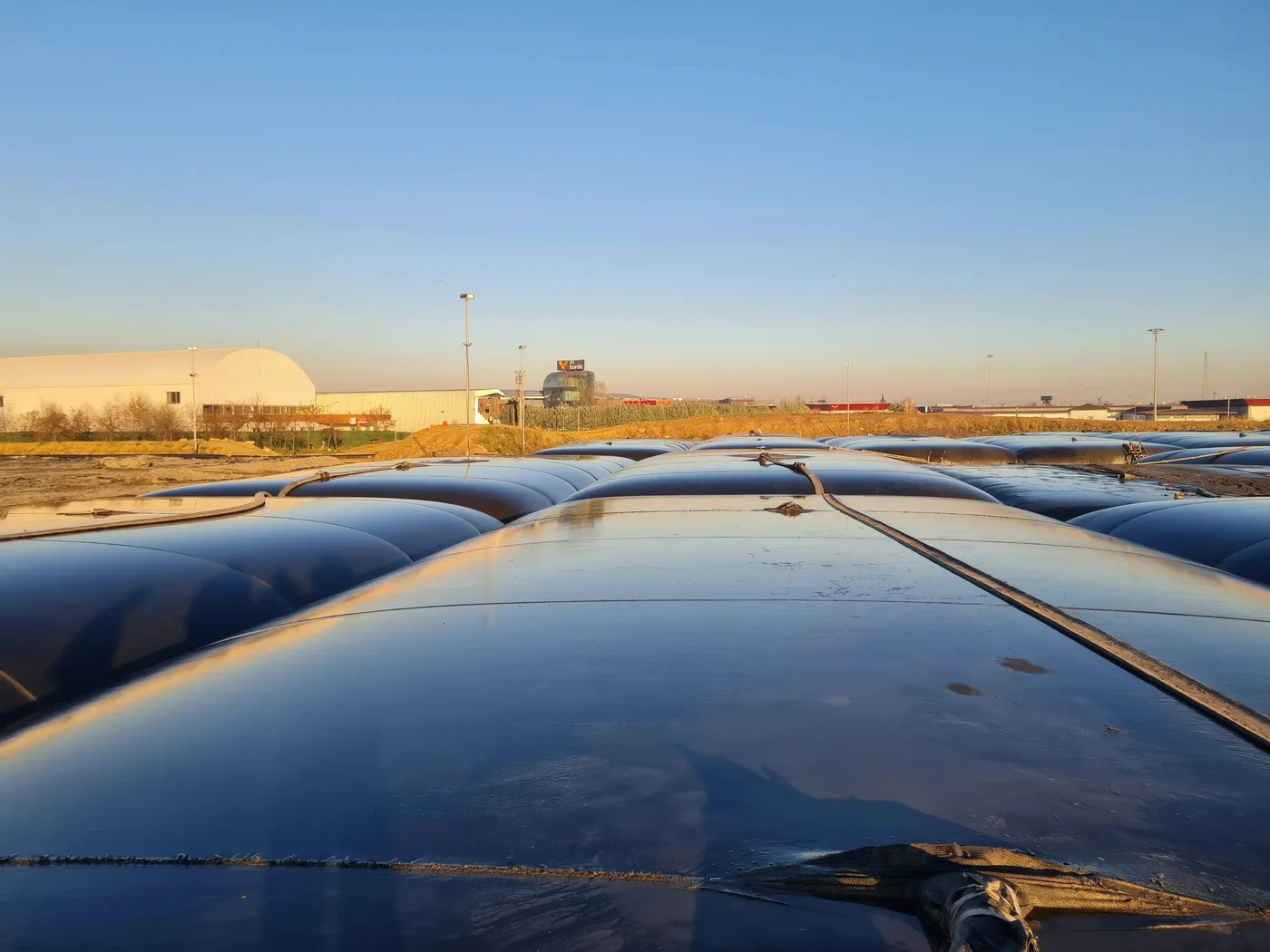
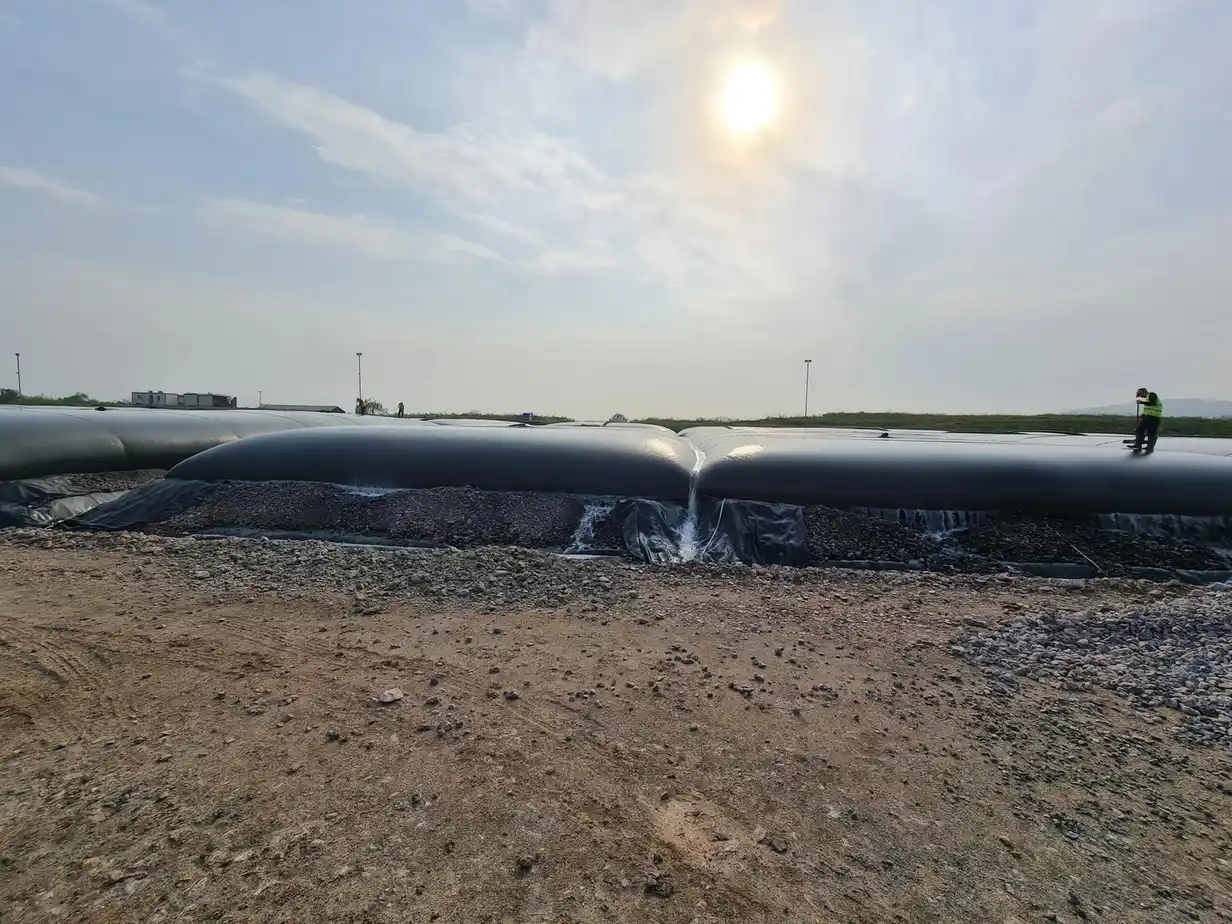
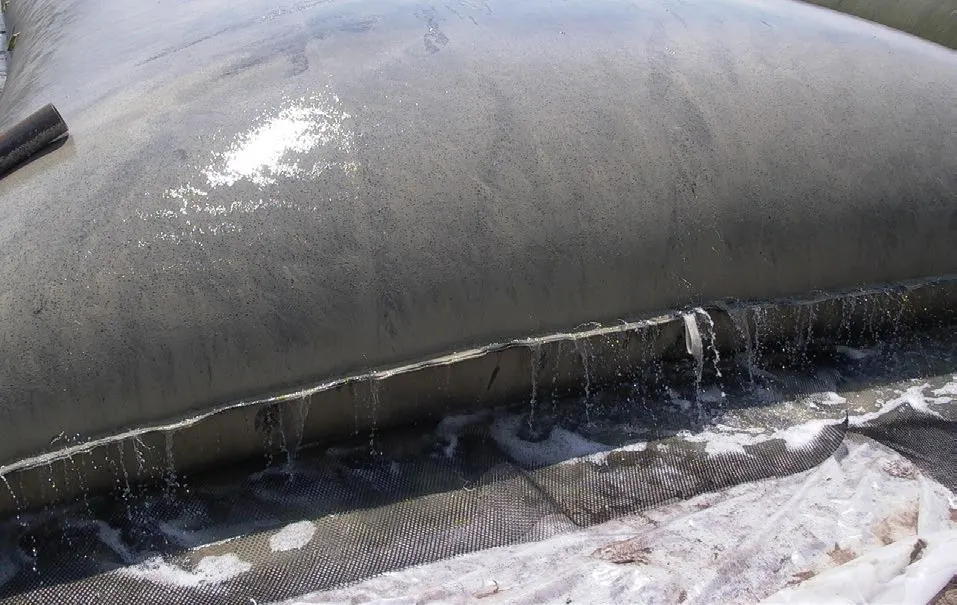
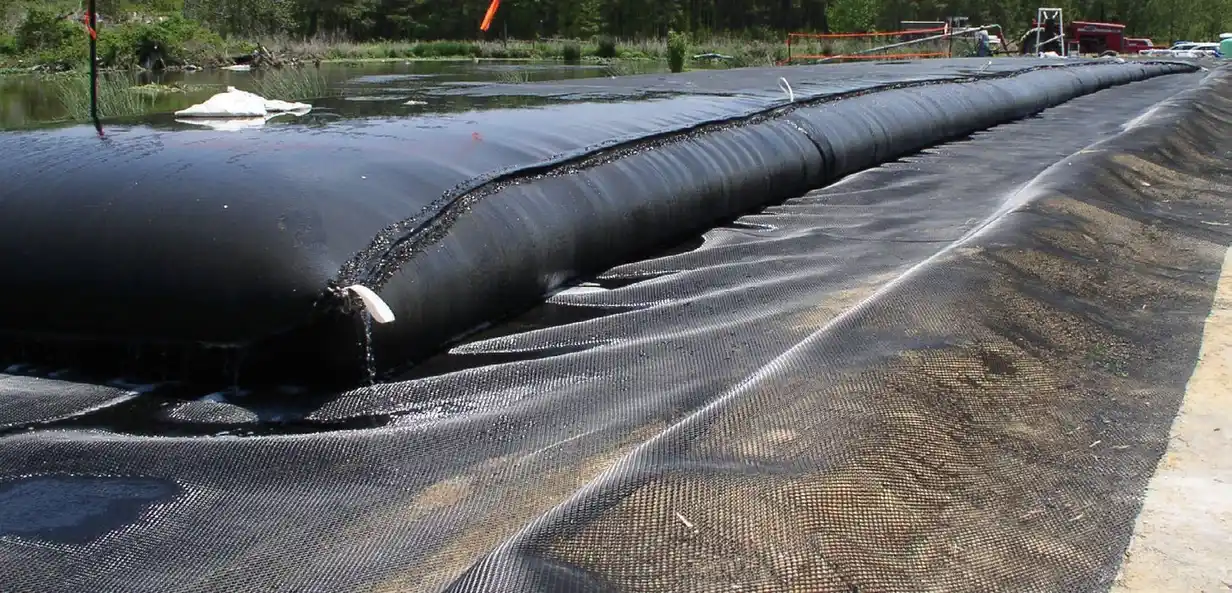
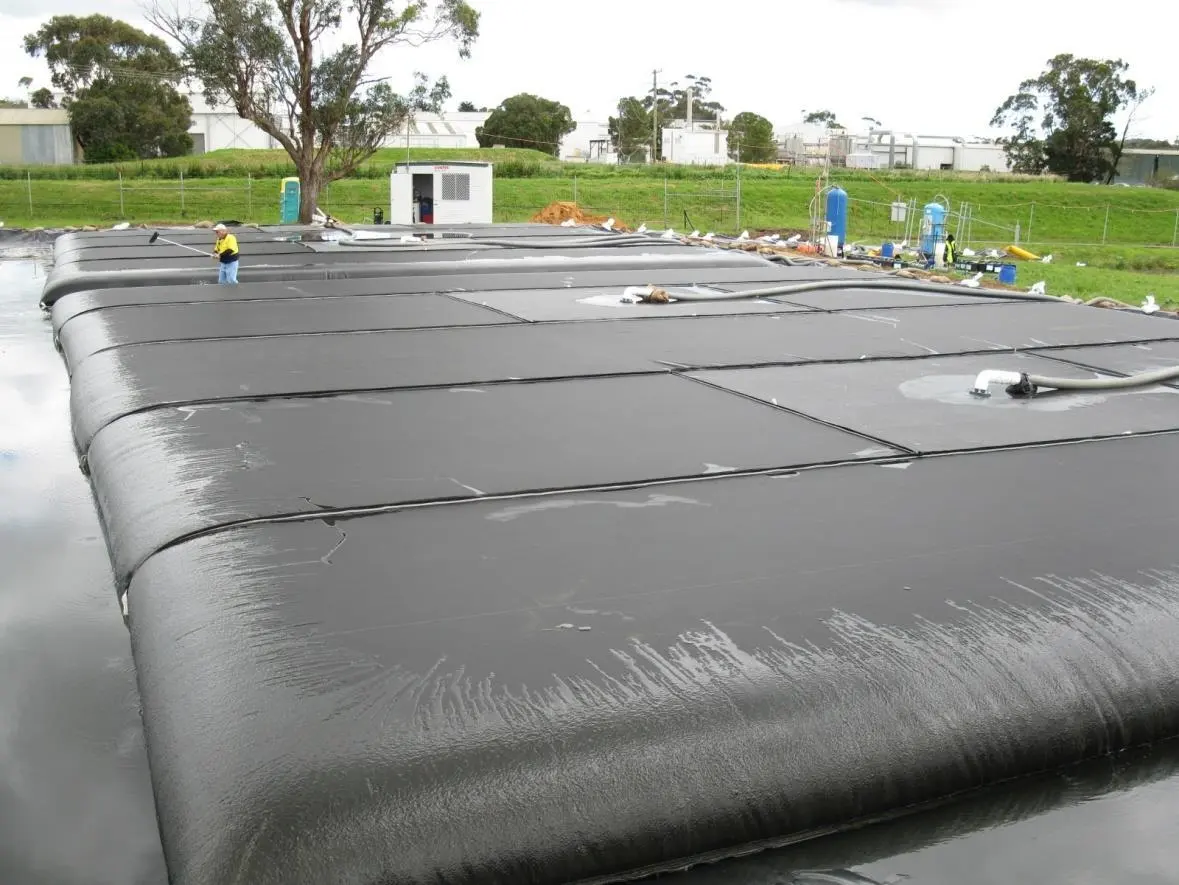
Dredged river, lake and reservoir sediment is pumped into high-strength woven geotextile tubes. The fabric releases free water while retaining solids; flocculant can accelerate separation. Repeated filling and gravity dewatering reduce moisture and volume, allowing filtrate return and enabling the consolidated sediment to be reused or transported more efficiently.
05 / Nature-Based Restoration
Sand- or sediment-filled geotextile tubes act as flexible wave-attenuating barriers and micro-topography frames for ecological restoration. They slow water, encourage natural sediment deposition and protect young vegetation. After covering with soil or sand, the tube surface can support aquatic and salt-tolerant plants in wetlands, dunes and degraded riverbanks.
06 / Industrial Waste Treatment
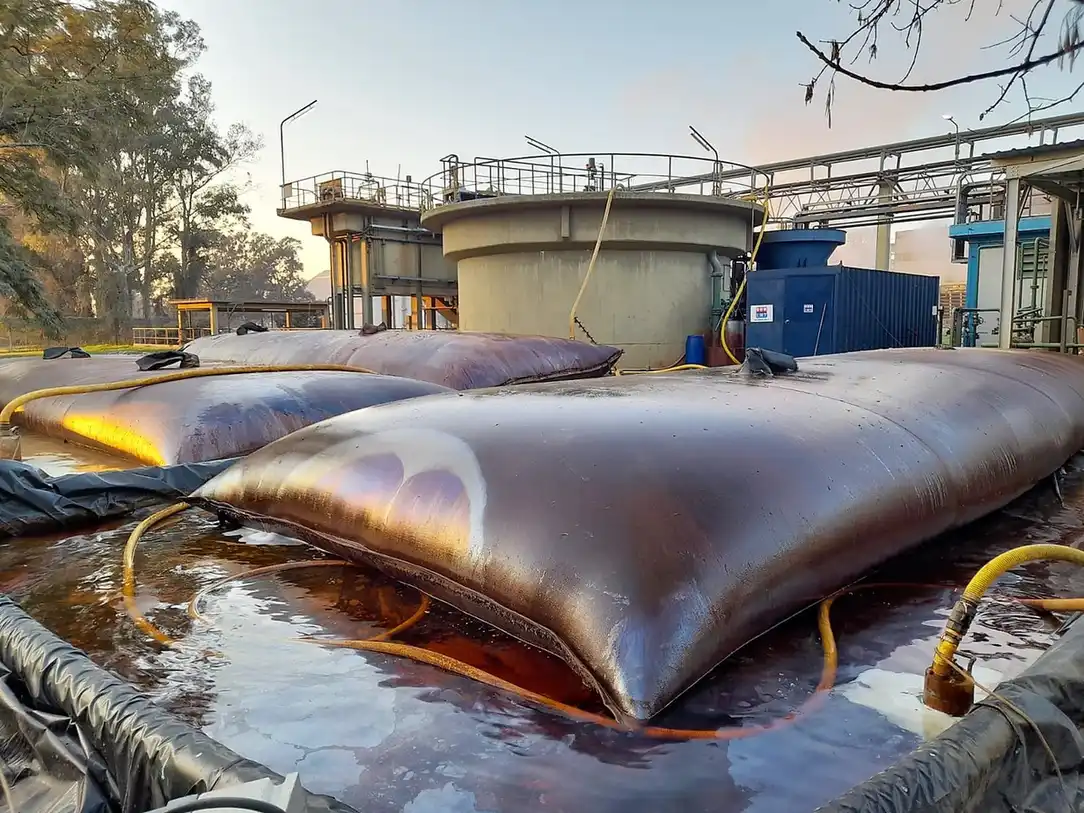
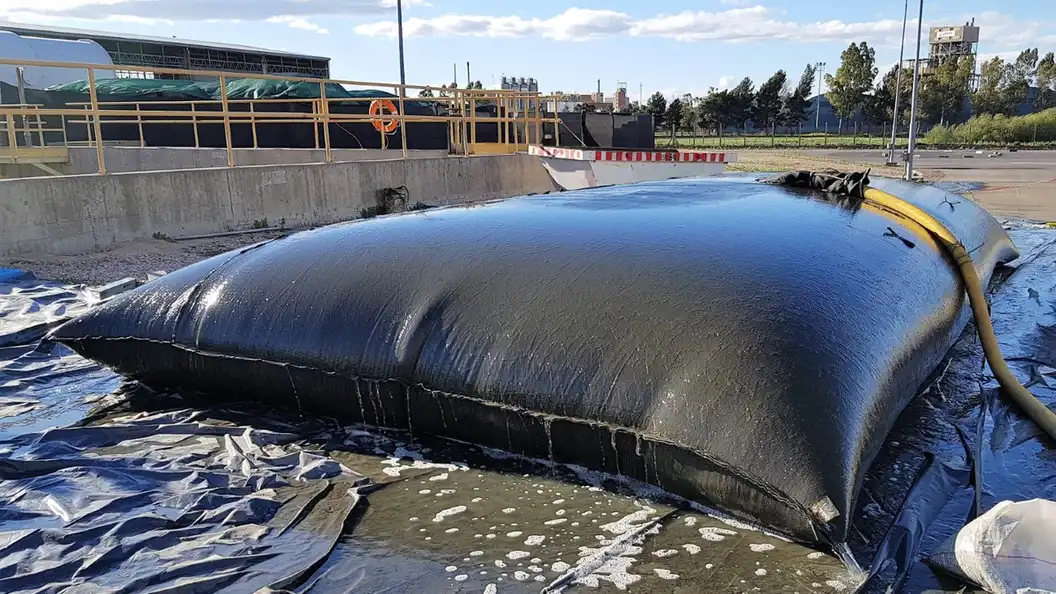
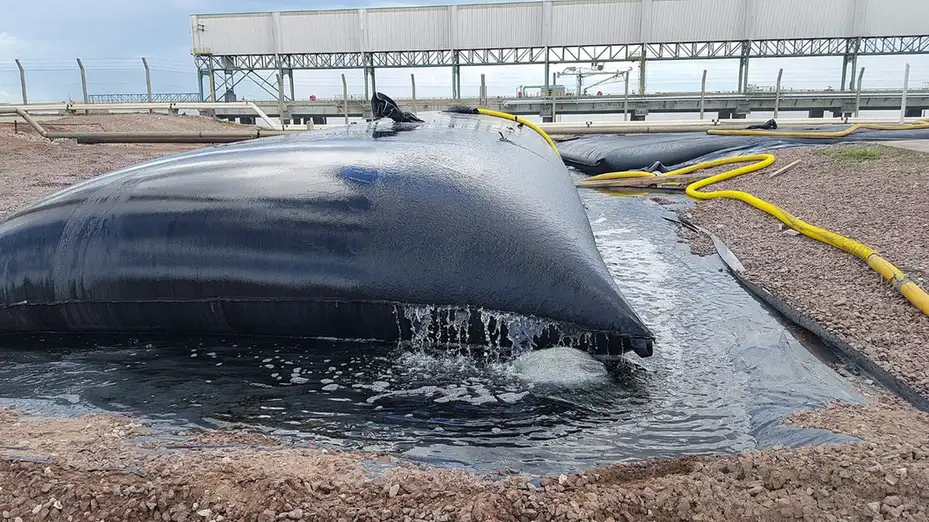
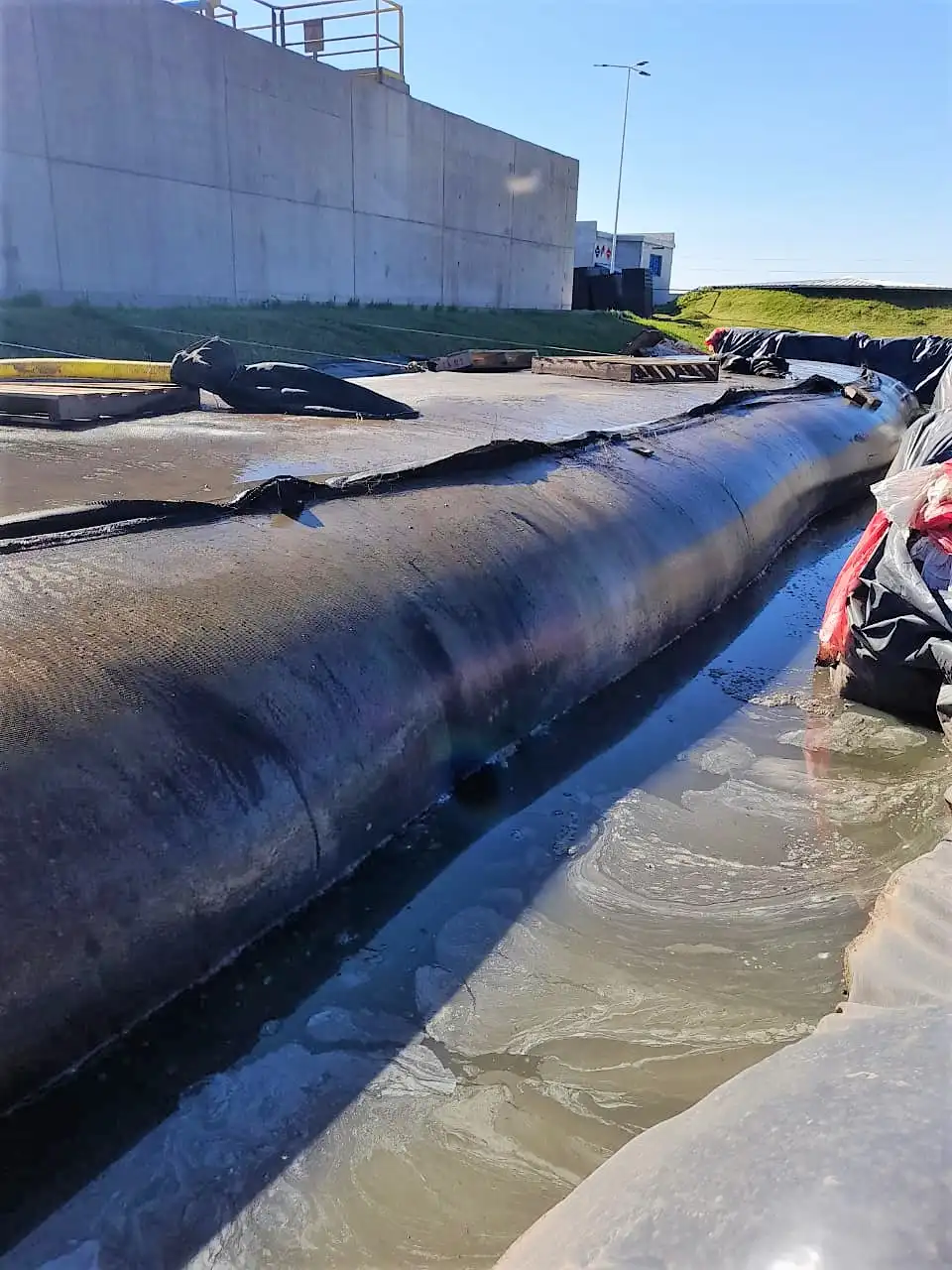
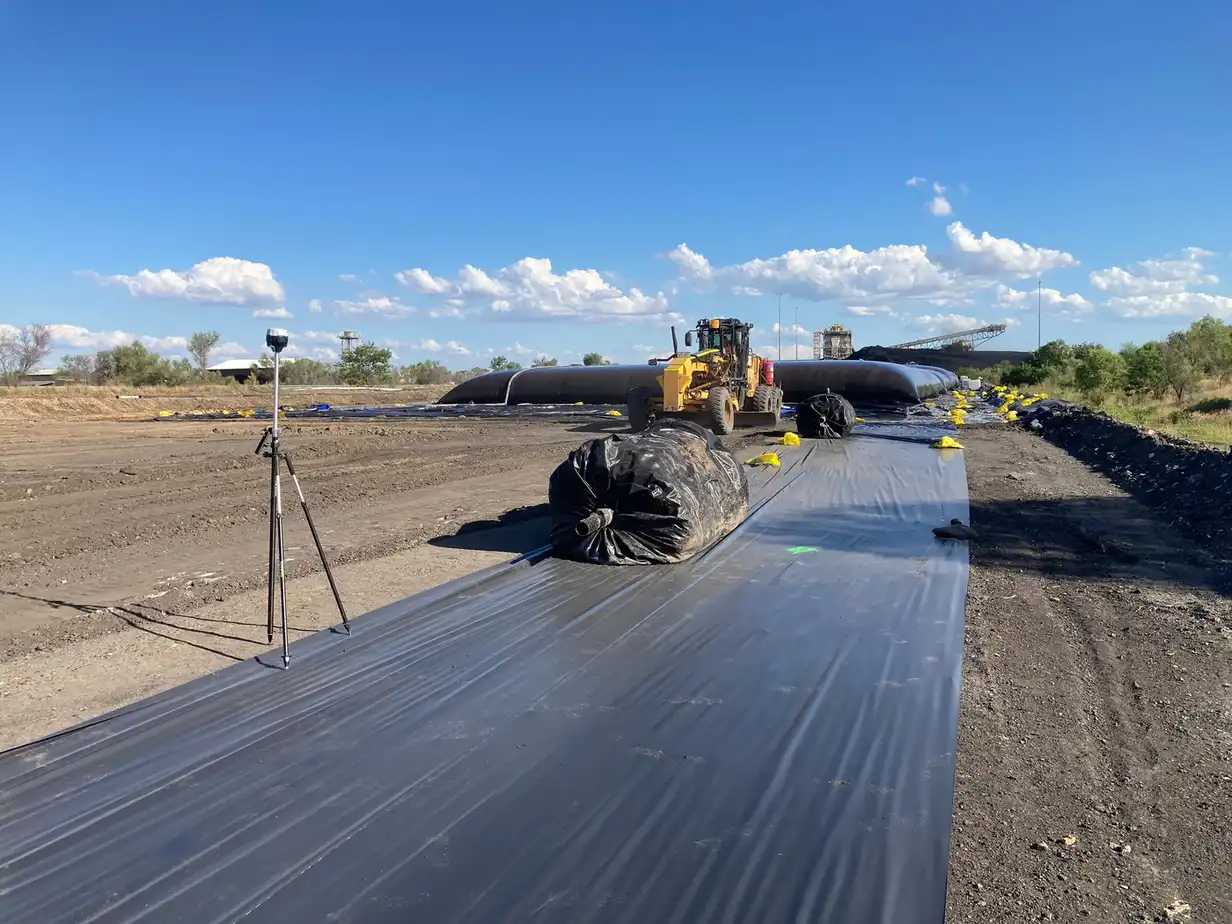
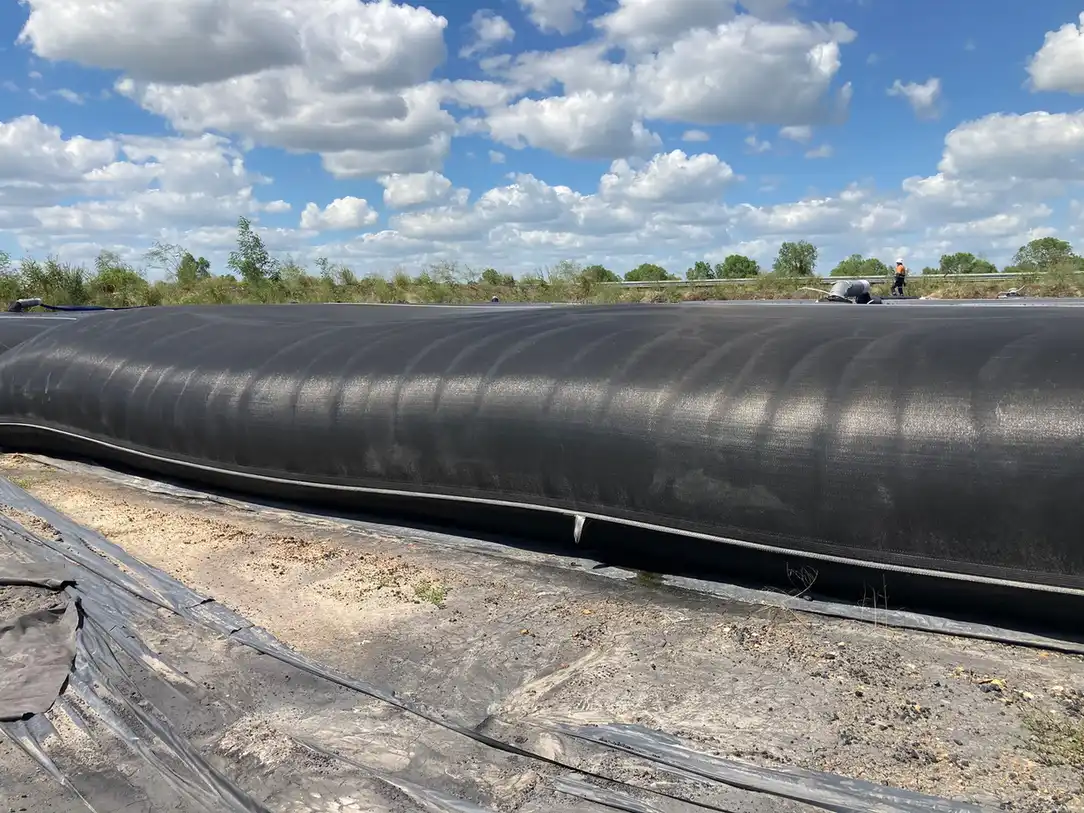
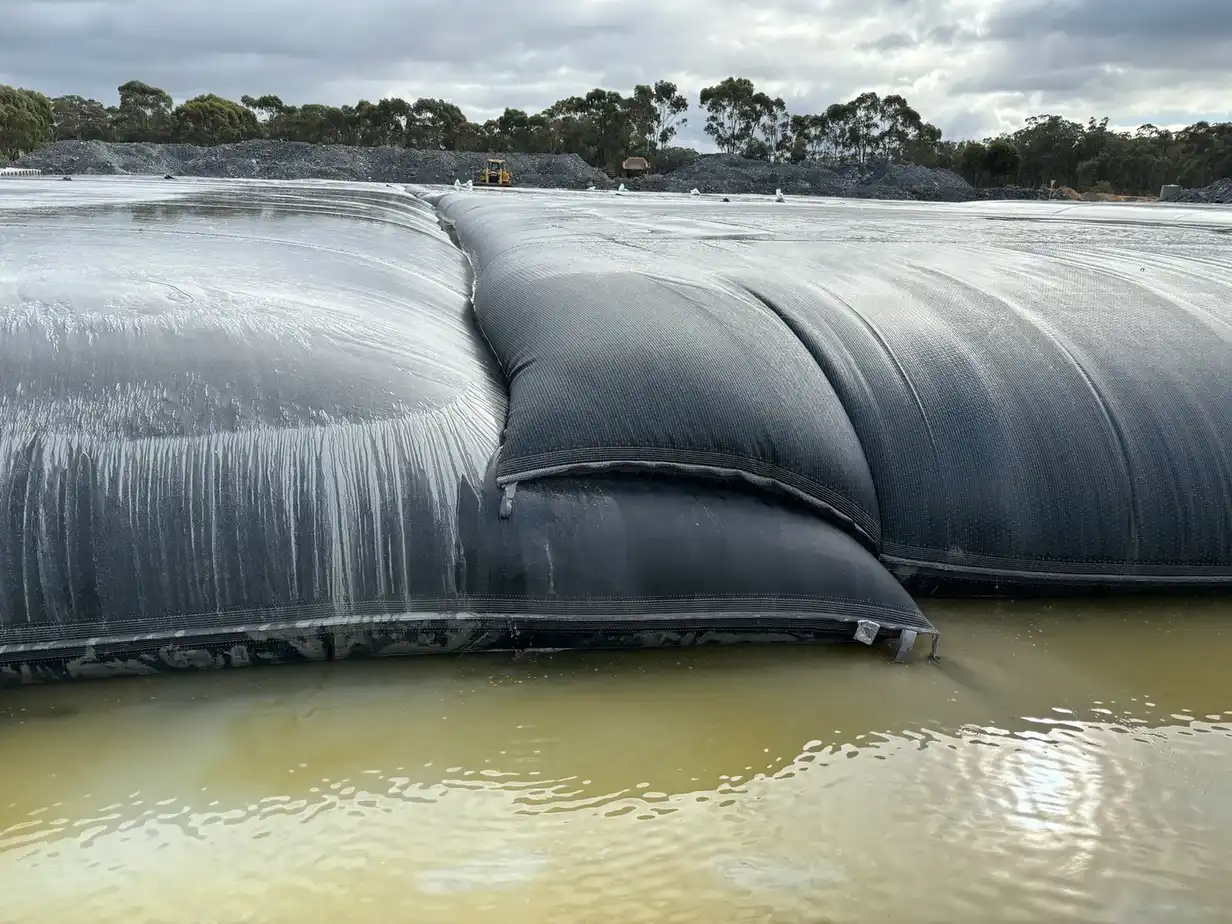
Conditioned industrial sludge or mine-tailings slurry is pumped into woven geotextile tubes for filtration and gravity consolidation. Free water exits as collectable filtrate while solids remain inside and dry into a reduced-volume cake. The method suits plant retrofits, remote mine sites and stock-sludge pond cleaning without a permanent filter-press building.
07 / Agricultural Wastewater
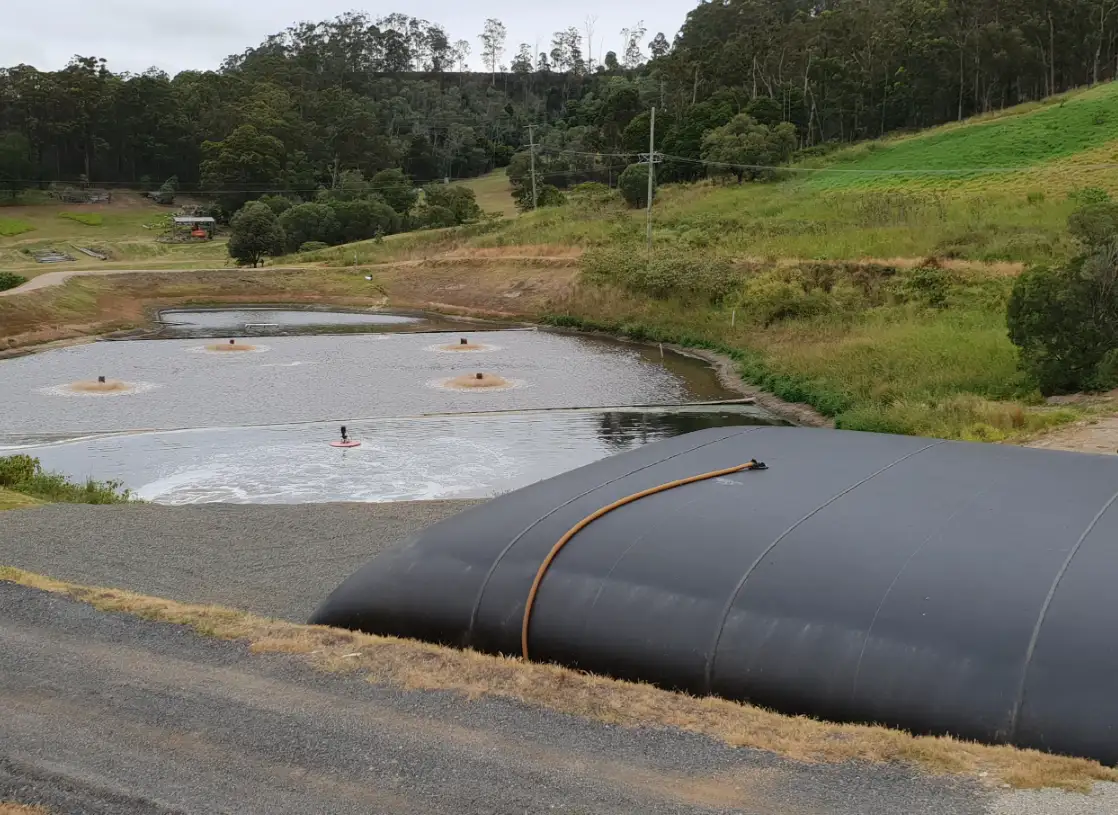
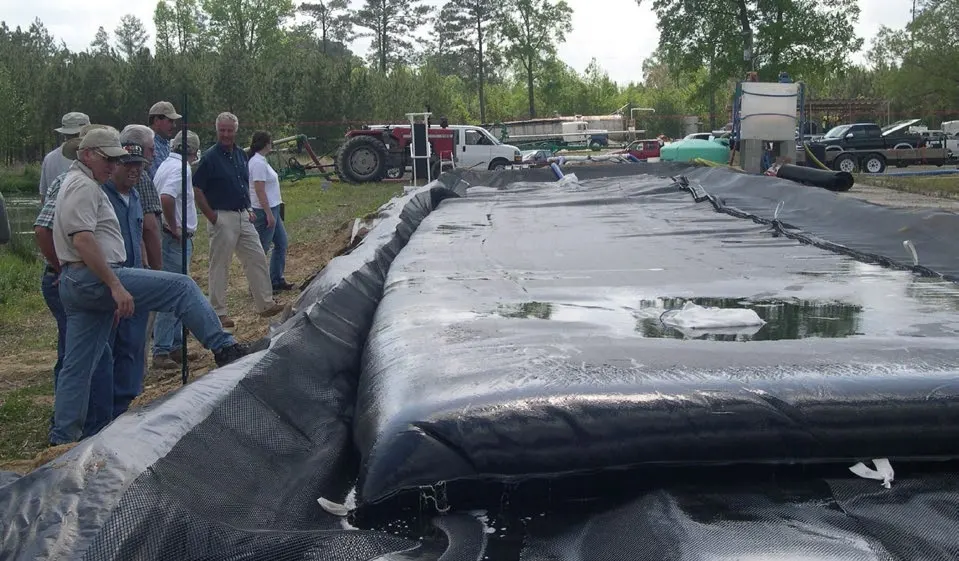
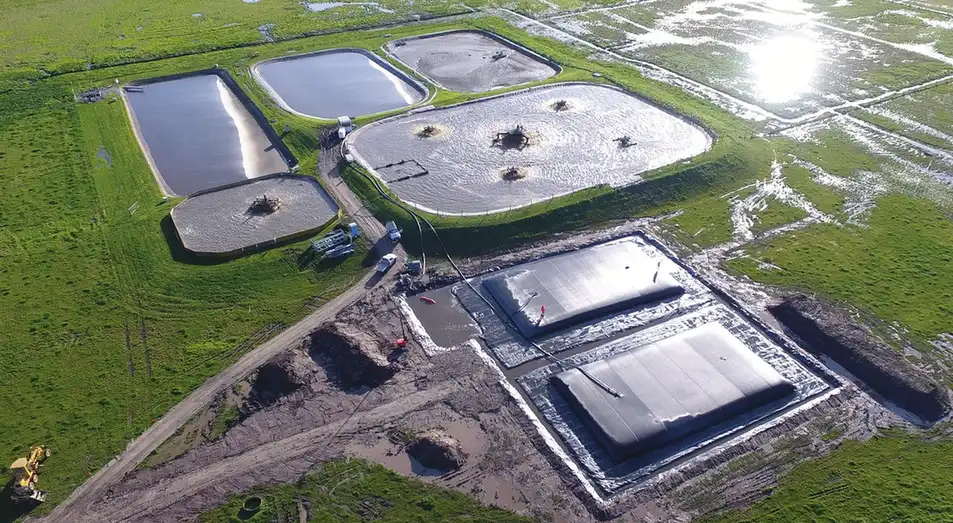
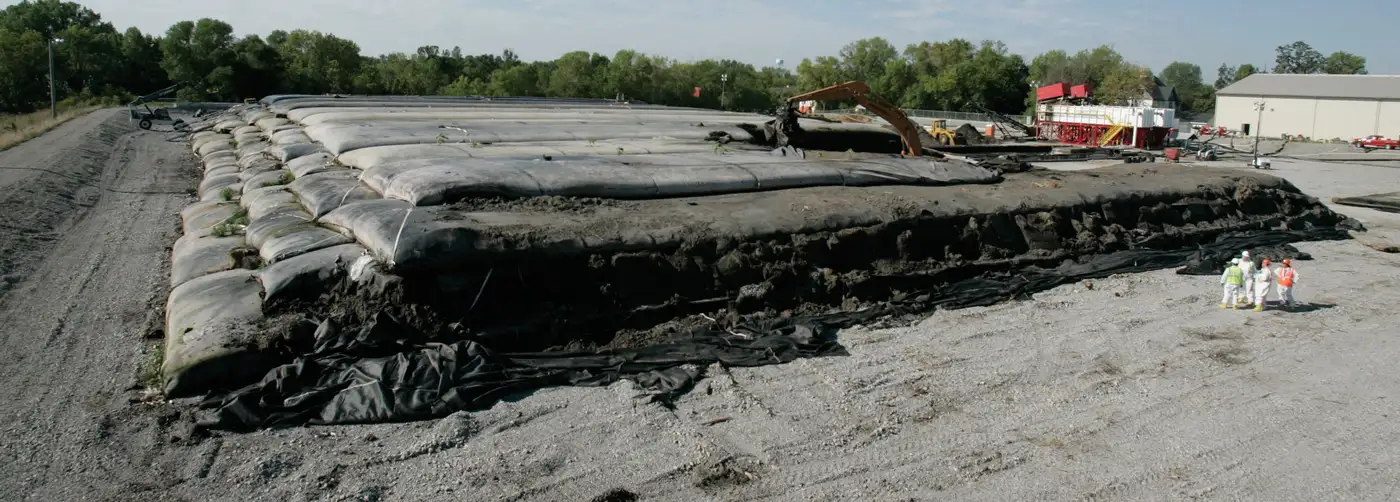
Livestock manure slurry, lagoon sediment and biogas residue are conditioned and pumped into geotextile tubes. Water drains as filtrate while organic solids consolidate into a soil-like cake, reducing storage volume and overflow risk. Filtrate may return to the lagoon or irrigation system, while composted solids can support fertilizer or land-application programs.
Working Process
Project performance depends on tube size, fabric tensile strength, apparent opening size, seam capacity, pumping rate, flocculant selection and a prepared drainage area.
Sand, dredged sediment or conditioned sludge is pumped into the tube through filling ports.
Free water filters through the woven fabric while target solids remain inside the tube.
Repeated filling and gravity drainage create a stable structural fill or reduced-volume cake.
Project Support
Share the slurry or fill type, solids concentration, project volume, tube footprint, pumping conditions and required service life. Our team will recommend the tube dimensions, fabric properties and filling process.