Consulta de proyecto
Cuéntenos sobre su proyecto
Comparta el tipo de producto, aplicación, dimensiones, cantidad y destino de entrega. Nuestro equipo responderá con orientación práctica sobre productos y suministros.

Perspectivas y guías
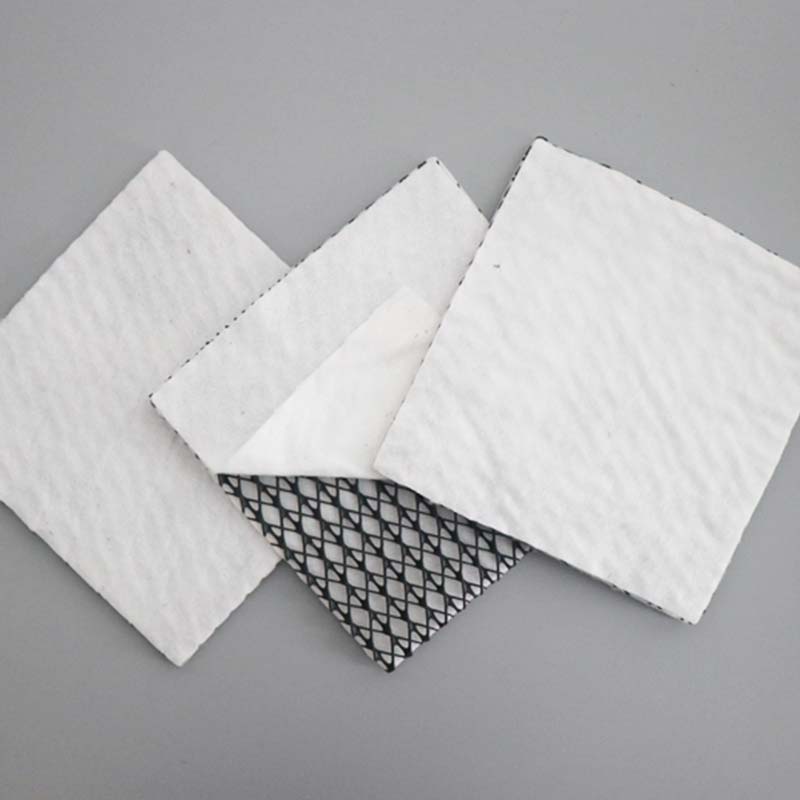
composite drainage geonet decisions should start with a continuous route from water entry to a working outlet. This guide focuses on coordinating bonded fabric and drainage core and the information a buyer, site engineer or contractor needs before committing to a material or procedure. The practical question is whether the proposed arrangement fits the actual work, including filter compatibility, core behavior, joints and collectors. A familiar product name is a starting point for that review, rather than a substitute for the project drawings and acceptance requirements.
Consider a wall base connection that will become inaccessible after backfilling. The immediate discussion is about bond integrity, with water demand and system limits as a related check. For composite drainage geonet, these decisions are connected: changing one part of the arrangement can change the evidence needed elsewhere. Resolve the interfaces before the drainage assembly becomes inaccessible, while details can still be revised without disturbing completed work. The following sections explain what to compare, which records to request and where a superficially simple purchase can leave a practical gap.
A bonded composite combines layers that need to survive handling and installation together. Review the relevant bonding requirements and inspect for visible separation or damage during receiving.
Keep those checks distinct from filter performance and core hydraulic capacity. A sound bond does not establish every function, but a damaged connection can make deployment difficult or alter the assembly. Document localized defects before the product is covered so the disposition is traceable.
The review should produce a bond requirement and receiving inspection. This makes the decision about bond integrity traceable and helps prevent accepting visible layer separation without a disposition. Agree who prepares the evidence and who reviews it before work proceeds.
Estimate inflow from the design conditions and compare it with the allowable system capacity, including the collectors. A drainage product cannot be selected in isolation from the area contributing water and the discharge arrangement.
Consider how temporary construction water or changed operation affects the assumptions. Keep the limitations explicit in the technical discussion. An oversized core does not resolve a restricted outlet or an upstream filter that cannot maintain the intended flow.
A useful checkpoint for composite drainage geonet is a inflow assumptions and collector capacity review. Check that it describes the actual proposed arrangement. If the package still depends on increasing core size while the outlet remains limiting, return that point for clarification before accepting the corresponding work.
A drainage core must maintain the necessary flow space under the applied load. Discuss both the construction loading and the sustained loading.
Core geometry and material description alone do not establish long-term deformation behavior. Request relevant evidence and relate it to the proposed assembly. A thicker empty core can still require review when installed beneath heavy cover or against a contact material that changes how the load is transferred.
For composite drainage geonet, request a core load conditions and compression evidence. Use it to resolve the risk of selecting core thickness without reviewing sustained loading before the next activity begins. Keep the accepted basis available to the team carrying out this part of the work.
La cara geotextil debe ser compatible con el suelo o material en contacto. Solicite información sobre el suelo e identifique la dirección de flujo prevista. Una tela adherida no evita automáticamente todos los mecanismos de obstrucción.
Considere la migración fina, las condiciones de contacto y las consecuencias de un drenaje bloqueado. Cuando sea necesario, obtenga asesoramiento o pruebas específicas del ensamblaje. Mantenga la selección del núcleo y la revisión del filtro conectadas para que un núcleo hidráulico fuerte no quede emparejado con una interfaz de suelo inadecuada.
The composite drainage geonet review should produce a soil-to-filter compatibility review. This makes the decision about filter contact and soil retention traceable and helps prevent reviewing the core while leaving the filter unspecified. Agree who prepares the evidence and who reviews it before work proceeds.
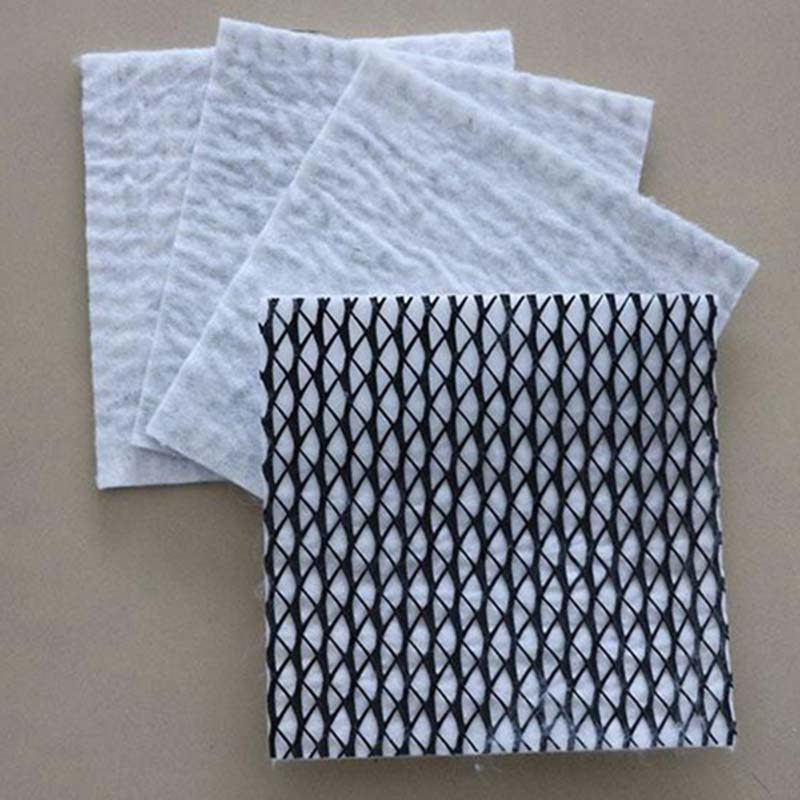
Under confinement, a contacting fabric or soft material may intrude into the drainage space. The relevant hydraulic assessment therefore depends on boundary materials as well as core geometry.
Identify the actual adjacent layers in the test request. Avoid treating a rigid-platen result as directly representative of every soil-contact assembly. Where the design depends on maintaining a drainage gap, the submittal should show why the proposed configuration remains suitable under the stated conditions.
A useful checkpoint for composite drainage geonet is a boundary-material description for hydraulic testing. Check that it describes the actual proposed arrangement. If the package still depends on ignoring the effect of soft contacts on flow space, return that point for clarification before accepting the corresponding work.
Some core structures or assemblies may have direction-dependent properties. Confirm the intended flow direction and mark the installation orientation where it matters.
A roll turned for convenience can create a mismatch between the tested direction and installed direction. Coordinate panel orientation with collectors, junctions and site geometry. Keep the product instructions available to the installation crew instead of assuming they can infer the correct orientation from the appearance of the core.
For composite drainage geonet, request a orientation drawing and marked deployment instruction. Use it to resolve the risk of rotating the core without reviewing directional performance before the next activity begins. Keep the accepted basis available to the team carrying out this part of the work.
Muestre cómo el núcleo de drenaje se descarga al colector sin quedar atrapado ni dejar un camino de suelo sin filtrar. Coordinar elevaciones de tuberías, lecho, detalles de filtros y acceso.
Confirme que el sistema aguas abajo tenga un dispositivo de mantenimiento práctico cuando sea necesario. El proveedor del producto necesita la geometría de conexión para discutir un detalle apropiado. Una muestra de drenaje libre no puede compensar un colector colocado por encima del alzado de salida o desconectado del núcleo.
The composite drainage geonet review should produce a collector elevation and connection detail. This makes the decision about collector connections traceable and helps prevent selecting material before resolving collector geometry. Agree who prepares the evidence and who reviews it before work proceeds.
El tráfico de construcción y el primer elevador de cubierta pueden dañar o desplazar un compuesto de drenaje instalado. Definir el método de colocación y movimientos permitidos de los equipos.
Inspeccione el núcleo y la tela antes de cubrirlos y observe la colocación inicial de los agregados cuando sea necesario. Evite que la escorrentía sucia ingrese a un colector permanente durante la construcción cuando el diseño permita la protección. Un material elegido para la carga del servicio final aún necesita sobrevivir al proceso utilizado para construir la carretera a su alrededor.
A useful checkpoint for composite drainage geonet is a road fill-placement and temporary protection procedure. Check that it describes the actual proposed arrangement. If the package still depends on ignoring construction damage because final loads are acceptable, return that point for clarification before accepting the corresponding work.
A foundation drainage system often changes direction around corners, penetrations and slab or wall interfaces. Show continuity through these transitions and identify how the drainage layer connects to collection points.
Coordinate the details with waterproofing and structural work before installation. Small inaccessible junctions can be more difficult to correct than an open field area. Avoid leaving those connections to the final trade without a drawing and a defined inspection opportunity.
For composite drainage geonet, request a foundation transition and inspection detail. Use it to resolve the risk of leaving corner continuity for an improvised site decision before the next activity begins. Keep the accepted basis available to the team carrying out this part of the work.
Compare composite drainage geonet proposals on a common basis. The table below connects the principal decisions in this guide to the evidence that should support them. It is an assessment framework, not a claim that a particular product or installation has already passed these checks.
| Decisión | Evidencia para comparar | Brecha para resolver |
|---|---|---|
| Bond integrity | Bond requirement and receiving inspection | Accepting visible layer separation without a disposition |
| Water demand and system limits | Inflow assumptions and collector capacity review | Increasing core size while the outlet remains limiting |
| Core compression | Core load conditions and compression evidence | Selecting core thickness without reviewing sustained loading |
| Filter contact and soil retention | Soil-to-filter compatibility review | Reviewing the core while leaving the filter unspecified |
Suppose two offers use the same composite drainage geonet keyword but describe different arrangements. One includes a bond requirement and receiving inspection, while the other provides only a general description. Ask the second supplier to clarify the same requirement before treating the offers as equivalent. Then compare water demand and system limits and core compression on the agreed basis. This hypothetical example illustrates the review sequence; it does not assign a passing result to either offer.
Para la discusión técnica, revise el Página del producto Geonet de drenaje compuesto y el familia de productos relacionados. Use those pages to identify the material or equipment being discussed, then send the actual application, drawing and required evidence for confirmation. The composite drainage geonet purchase description should preserve any project-specific conditions that remain subject to technical review.
Para lecturas adicionales, consulte el Índice de especificaciones del Instituto Geosintético. Use the relevant publication within its stated scope and check the applicable edition. The composite drainage geonet submittal still needs evidence for the proposed product and project; an external reference is not a certificate or approval of this shipment.
Send Taiji your composite drainage geonet application and the current drawings, along with the required quantity, delivery destination and planned construction or operating sequence. Include the questions raised by coordinating bonded fabric and drainage core, especially the bond requirement and receiving inspection and inflow assumptions and collector capacity review. A clear brief helps the team discuss a suitable supply configuration and the documentation needed for your review.
Start with a continuous route from water entry to a working outlet. For the topic covered here, prioritize bond integrity and request a bond requirement and receiving inspection. The decision should fit the actual application rather than depend on the product name alone.
Request a inflow assumptions and collector capacity review and a core load conditions and compression evidence. Keep the proposed product or equipment identity visible so the records can be related to the delivered goods and intended method. Ask for clarification where those records describe different conditions.
Use common scope, property definitions and project assumptions. Compare filter contact and soil retention alongside fabric intrusion, and resolve missing evidence before relying on a price difference. Similar wording in two quotations does not establish equivalent arrangements.
Avoid accepting visible layer separation without a disposition. Also check for rotating the core without reviewing directional performance. These issues concern how the product or procedure is used, so reviewing the installation or operating sequence is as important as checking the supplied description.
Send the application, relevant drawing, quantity or work area, location and intended schedule. Add the information needed for collector connections and road construction protection. State any required test evidence so the response can address the actual project scope.
Apoyo al proyecto
Cuéntenos sobre la aplicación, los requisitos de materiales y el destino de entrega. Responderemos con orientación práctica sobre el producto.