Consulta de proyecto
Cuéntenos sobre su proyecto
Comparta el tipo de producto, aplicación, dimensiones, cantidad y destino de entrega. Nuestro equipo responderá con orientación práctica sobre productos y suministros.

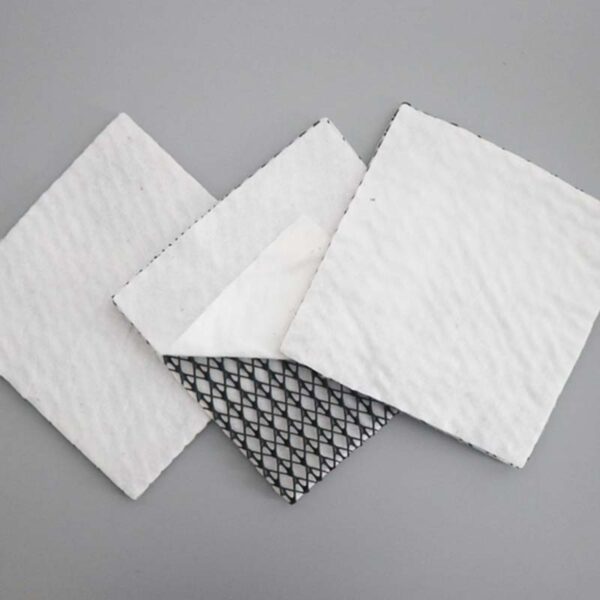
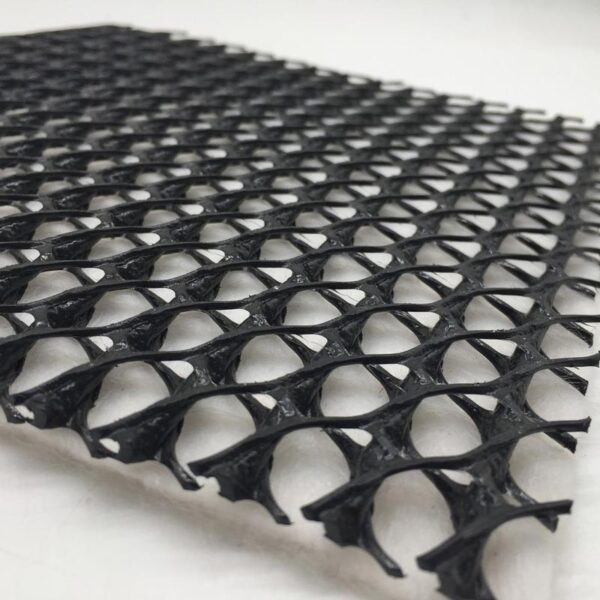
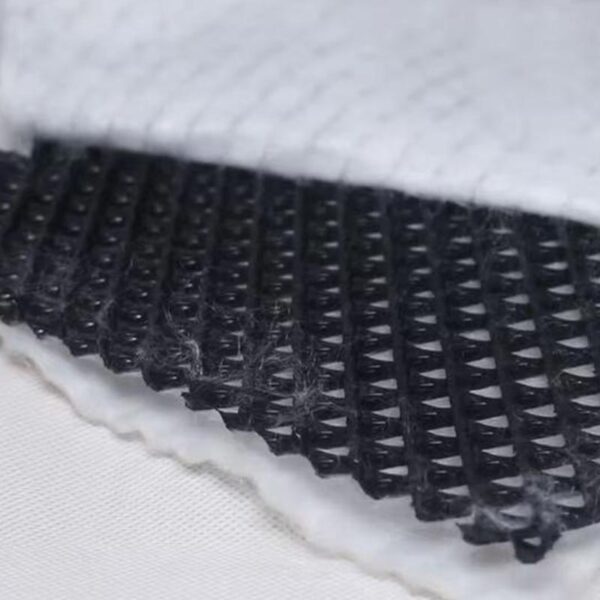
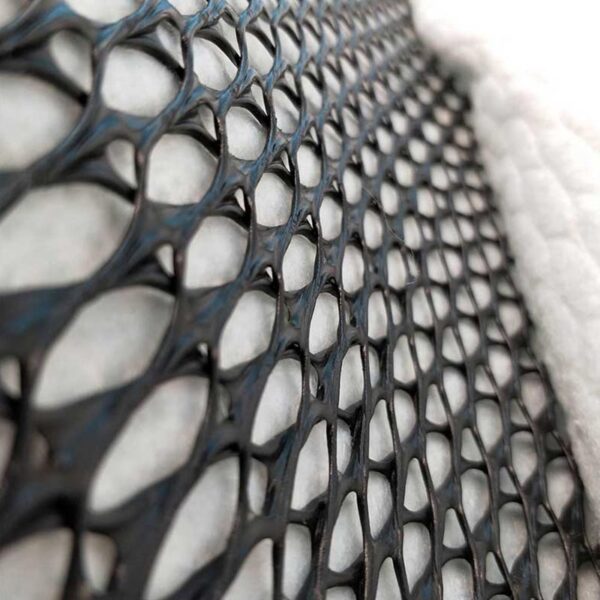
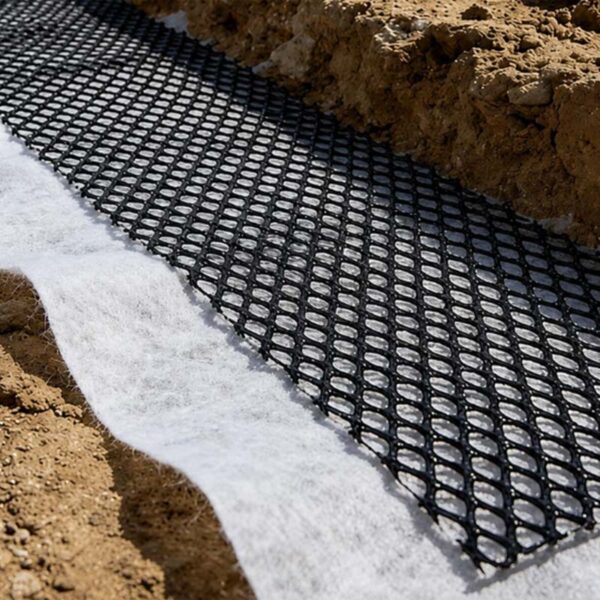
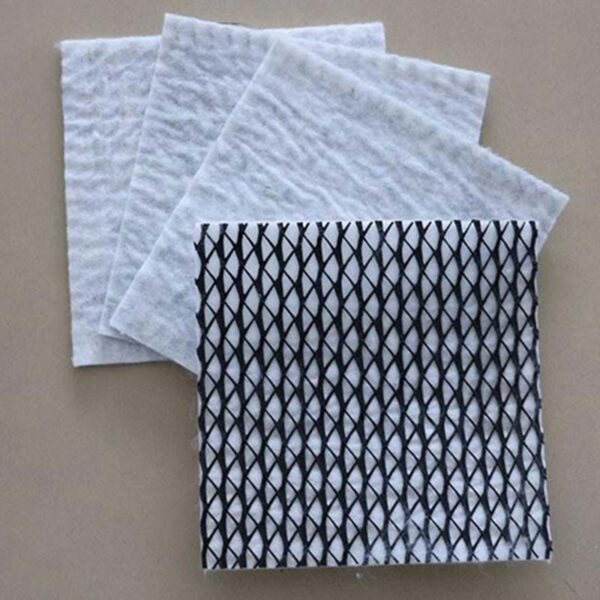
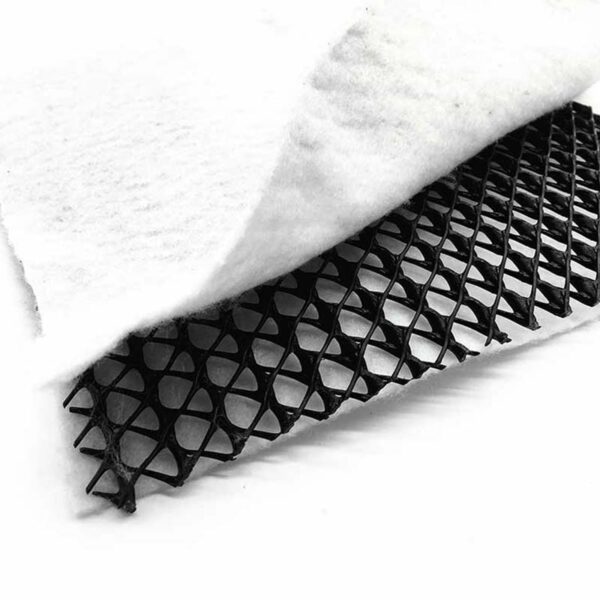
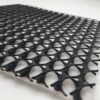
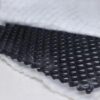
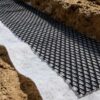
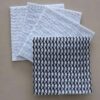
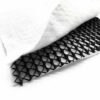
Un núcleo de drenaje tridimensional de HDPE unido térmicamente con geotextil no tejido para drenaje, filtración, separación y protección integradas.
Composite Drainage Geonet is a high-performance geosynthetic drainage material for underground drainage, filtration and protection in civil, hydraulic and environmental engineering. A high-strength three-dimensional HDPE geonet core is thermally bonded to nonwoven geotextile on one or both sides, creating an integrated drainage system.
The open core provides a continuous in-plane flow path while the geotextile retains surrounding soil particles. Combining drainage, filtration, separation and protection in one lightweight roll, the system can replace conventional gravel or sand drainage layers and reduce excavation, transport and installation work.
| Property | Available Configuration |
|---|---|
| Core material | Three-dimensional virgin HDPE geonet with carbon-black stabilization |
| Filter layer | Nonwoven geotextile, thermally bonded |
| Construction | Single-sided or double-sided composite |
| Typical thickness | 5–20 mm; project-specific options available |
| Typical roll width | 1–4 m; project-specific options available |
| Primary functions | Drainage, filtration, separation and protection |
| Customization | Thickness, geotextile weight and roll width |
Double-sided composites provide filtration on both faces and are commonly selected for landfills and tunnels where improved clogging control is required. Single-sided composites are often used for subgrades, retaining walls and slopes. Final selection should be based on the adjacent materials, design load and required flow capacity.
It uses a three-dimensional HDPE geonet core thermally bonded to nonwoven geotextile on one or both sides for drainage and filtration.
Yes. In suitable designs it provides a continuous drainage path while reducing gravel transport, placement and excavation requirements.
The drainage channel remains stable under normal overburden. For unusually high loads, provide the design pressure so the appropriate core thickness and compressive strength can be selected.
The buried material can provide decades of service when correctly specified and installed. Avoid extended direct sunlight and cover the product promptly after placement.
Thickness, geotextile weight and roll width can be customized. Performance test reports can be provided, and third-party inspection can be supported.
Apoyo al proyecto
Share the application, design pressure, required flow capacity, surrounding soil and project dimensions with our technical team.
|