Project Inquiry
Tell Us About Your Project
Share the product type, application, dimensions, quantity and delivery destination. Our team will respond with practical product and supply guidance.

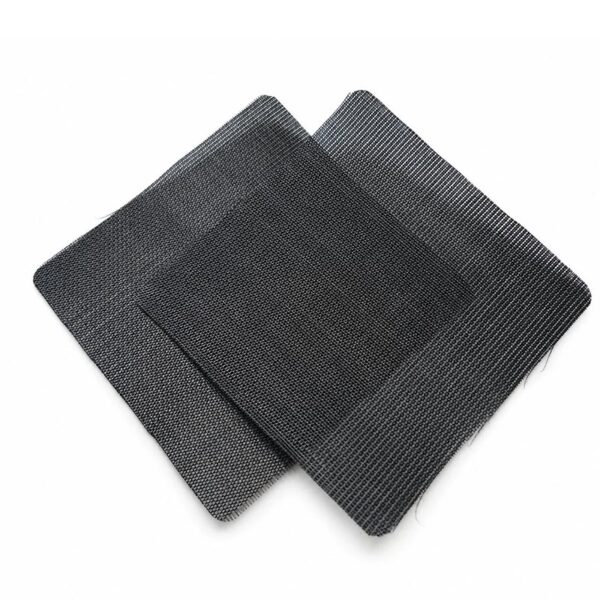
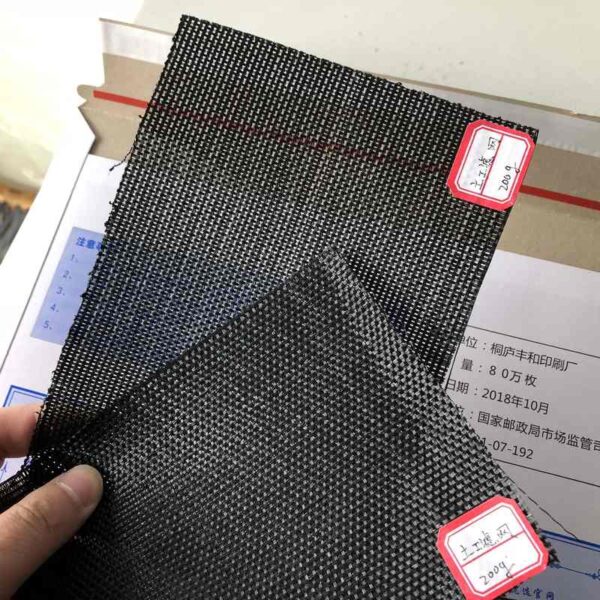
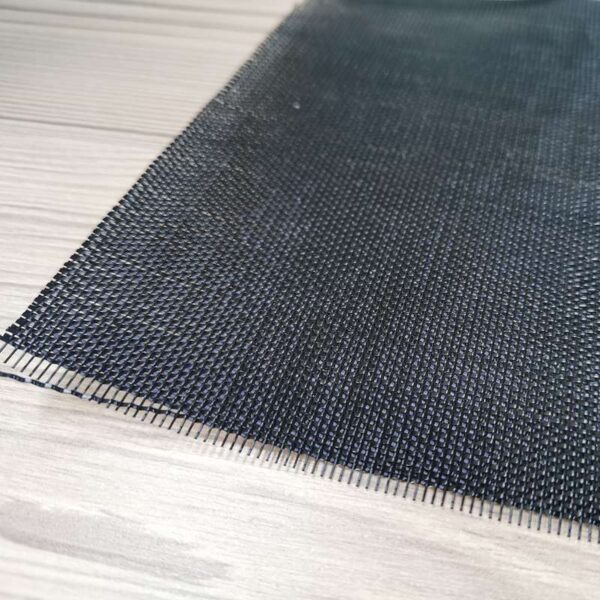
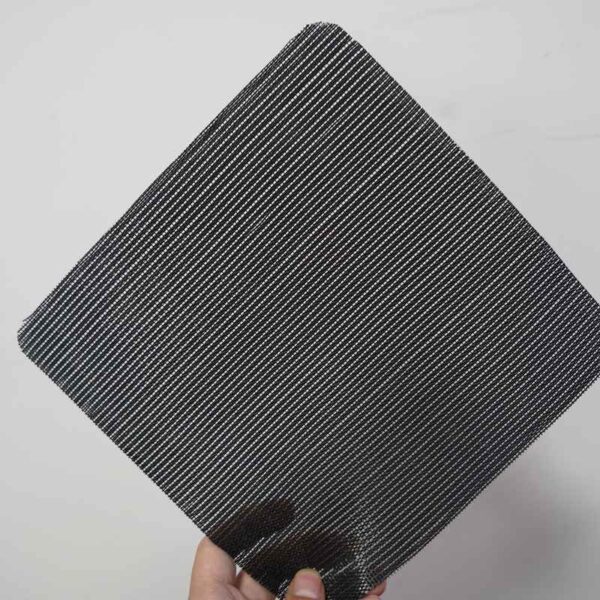

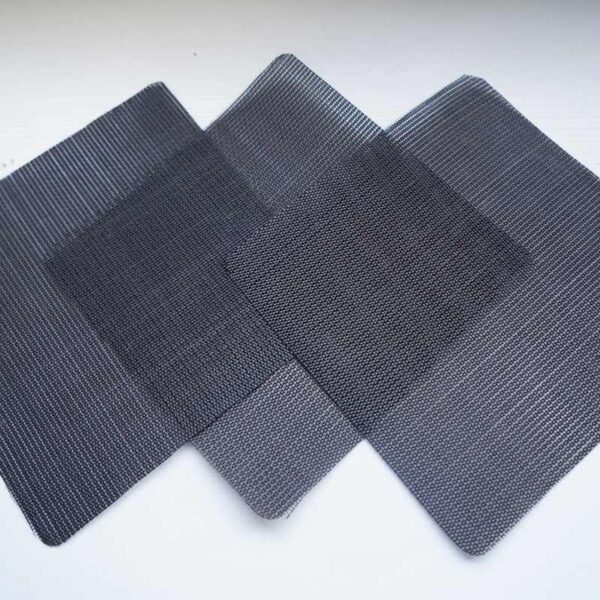


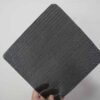

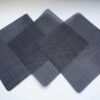
200 g/m² high-tensile woven polypropylene geofilter for separation, reinforcement, drainage and filtration, supplied in 4.6 m or 5.4 m widths.
Woven geofilter is a black mesh geosynthetic material manufactured from virgin polypropylene pellets with carbon black masterbatch, antioxidant, UV absorber and long-term stabilizer.
Round and flat filaments are produced through directional stretching and precisely woven into a high-tensile filter fabric that combines reinforcement, separation, drainage and filtration functions.
| Material | Virgin polypropylene with carbon black and stabilizers |
|---|---|
| Mass per unit area | At least 200 g/m² |
| Machine-direction tensile strength | At least 45 kN/m |
| Cross-direction tensile strength | At least 30 kN/m |
| Machine-direction elongation | Maximum 25 percent |
| Cross-direction elongation | Maximum 15 percent |
| Puncture resistance | At least 3.0 kN |
| Apparent opening size O50 | 0.1 to 0.8 mm |
| Common roll width | 4.6 or 5.4 m |
| Common roll length | 100 m |
| Standard reference | CJ/T 437-2013 type data supplied in the product material |
Taiji woven geofilter is produced in widths of 4.6 m and 5.4 m, with a standard length of 100 m and a mass per unit area of 200 g/m².
A woven geofilter is a black mesh geosynthetic made primarily from polypropylene. Round and flat filaments are precisely woven to create a regular open structure with high tensile strength, controlled elongation, and stable filtration and drainage performance.
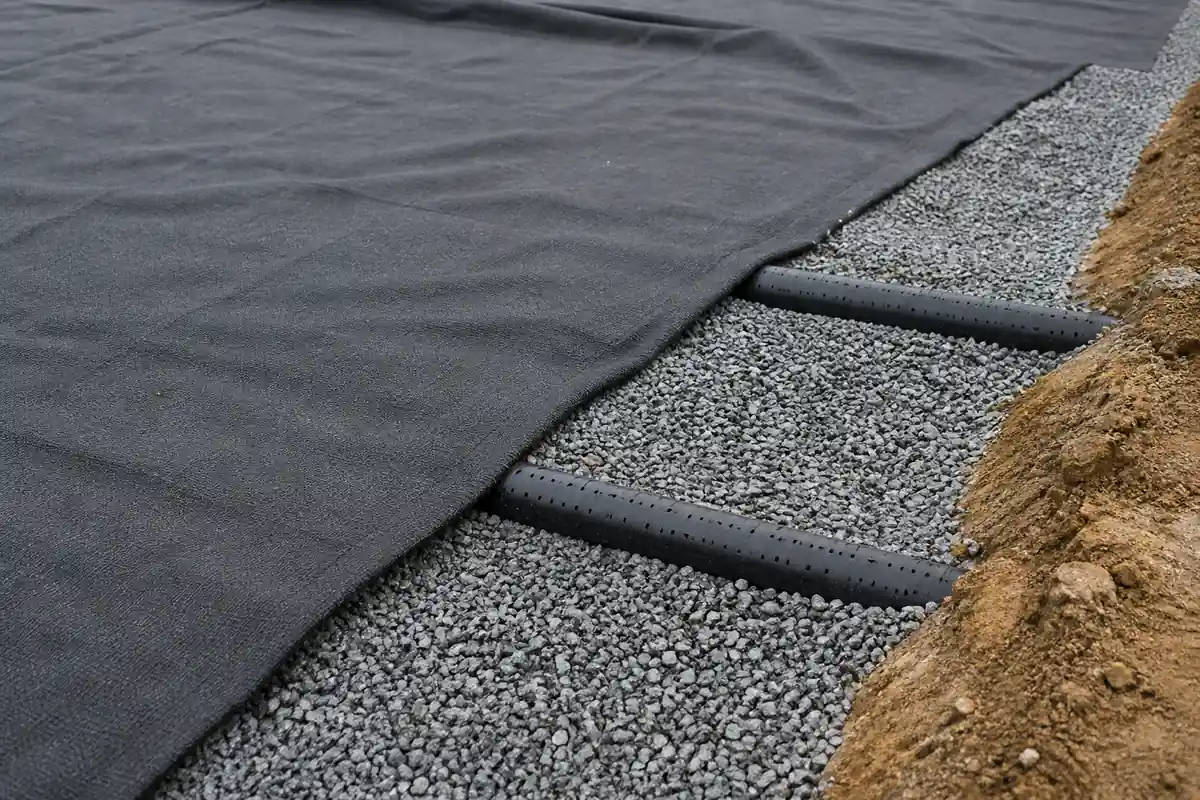
It provides filtration, drainage, separation, and reinforcement. The open structure allows seepage water to pass while retaining soil particles within the selected range, helping reduce soil loss and the risk of clogging in drainage layers or pipes.
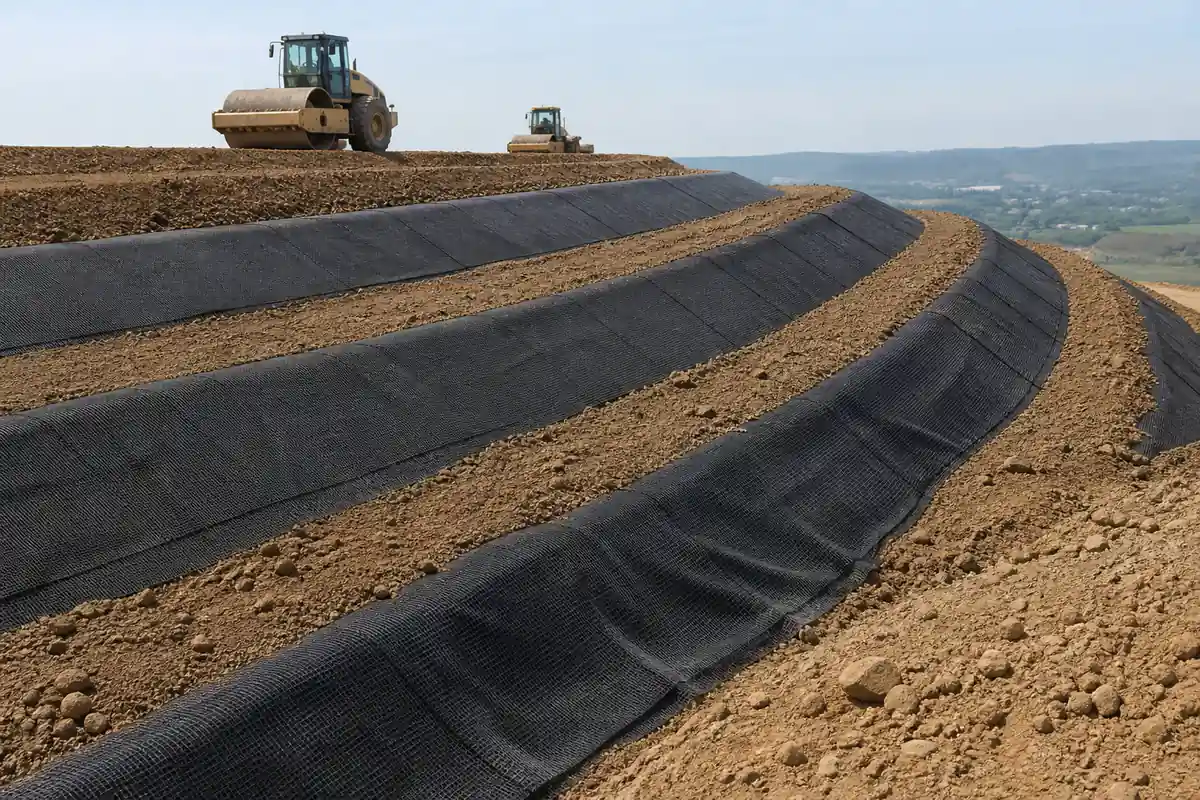
Typical applications include road and railway subgrade drainage, hazardous-waste facilities, municipal landfills, tailings ponds, subsurface drainage layers, leachate collection systems, retaining-wall backfill drainage, and hydraulic works.
Woven geofilter has a regular open structure and typically provides high tensile strength, low elongation, stable water flow, and good clogging resistance. Nonwoven geotextile has a randomly arranged fiber structure and may be preferred for other filtration, separation, cushioning, or protection conditions. Selection should follow soil gradation, opening size, permeability, loading, and design life.
Common mass-per-unit-area options include 200 g/m2 and 300 g/m2. The 200 g/m2 grade is commonly used for landfill capping and groundwater filtration, while the heavier grade may be selected where higher tensile or puncture resistance is required. Final properties, width, and roll length should follow the project specification.
Polypropylene provides good resistance to many acids, alkalis, and landfill leachates. Antioxidants, UV absorbers, and stabilizers improve weathering resistance, but the material should still be covered promptly after installation and checked against the project environment.
Lay the material flat and avoid wrinkles, punctures, and excessive tension. Overlaps are typically at least 200 mm, subject to the drawings. Pipe-wrapping layers and fastening methods should follow the design, and the installed material should be covered promptly with the specified gravel, soil, or protection layer.
Yes. Mass per unit area, apparent opening size, tensile strength, roll width, and roll length can be adjusted to suit project drawings and technical requirements, subject to production capability.
We are a specialized geosynthetics manufacturer with production and export-service capabilities. We offer factory-direct supply, volume production, and specification customization. If your project requires particular certificates, test reports, or export documents, list them in your inquiry so they can be confirmed individually.
Standard 200 g/m² and 300 g/m² woven geofilters can typically be dispatched within 3–7 working days. Large-volume or customized orders usually require 7–15 working days. Final lead time depends on the specification, quantity, production schedule, and shipping method and will be confirmed with the order.
Please provide the required mass per unit area, apparent opening size or permeability, tensile strength, roll width, roll length, quantity, applicable standard, application, and delivery location. Project drawings or technical specifications will help us recommend the appropriate product and prepare a more accurate quotation.
IN THE FIELD