项目查询
告诉我们您的项目
Share 产品类型、应用、尺寸、数量及发货目的地,我们的团队将以实用的产品和供应指导予以回应。.

见解和指南
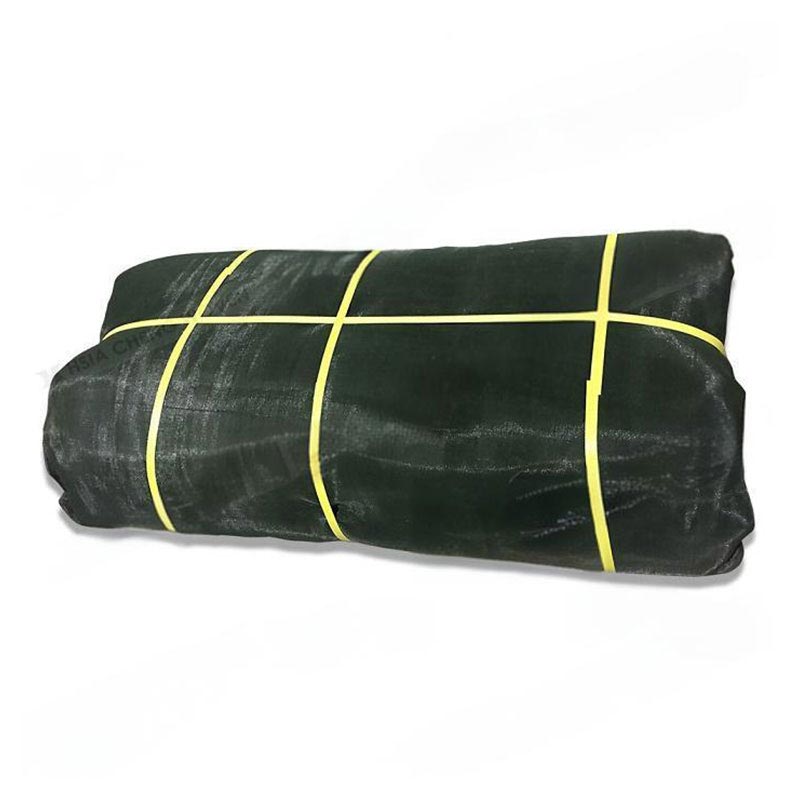
silo net decisions should start with a protection system that remains practical during farm work. This guide focuses on planning silo-net sizes and overlaps and the information a buyer, site engineer or contractor needs before committing to a material or procedure. The practical question is whether the proposed arrangement fits the actual work, including dimensions, attachments, exposure and routine access. A familiar product name is a starting point for that review, rather than a substitute for the project drawings and acceptance requirements.
Consider an operating team reviewing access before ordering replacement material. The immediate discussion is about plan silo dimensions and access, with inspect reinforced net edges as a related check. For silo net, these decisions are connected: changing one part of the arrangement can change the evidence needed elsewhere. Resolve the interfaces before the material enters the next operating season, while details can still be revised without disturbing completed work. The following sections explain what to compare, which records to request and where a superficially simple purchase can leave a practical gap.
Measure the developed cover area and identify edges, overlaps and the access route for daily operations. The supplied net size should support practical deployment without forcing staff to stretch a small panel across the pile.
Include room for securing the protective layers as the cover system requires. Keep net dimensions separate from the dimensions of the silo floor so the purchase quantity reflects the actual covered shape.
The review should produce a developed cover dimensions and access plan. This makes the decision about plan silo dimensions and access traceable and helps prevent ordering net area from silo floor dimensions alone. Agree who prepares the evidence and who reviews it before work proceeds.
Reinforced edges and handling points should be checked separately from the central net fabric. Repeated pulling or folding can affect these local areas even when the main panel remains serviceable.
Compare the delivered edge construction with the approved sample and instructions. The operating method should use the intended handling points. Do not add improvised holes or ties that introduce concentrated loading without reviewing whether the material and edge detail are suitable.
A useful checkpoint for silo net is a edge and handling-point inspection. Check that it describes the actual proposed arrangement. If the package still depends on adding improvised attachment holes to a protective net, return that point for clarification before accepting the corresponding work.
Check the net and bags after removal, clean them as the product instructions allow and store them so they can dry and be identified. Look for cuts, stretched openings, degraded closures and contamination before the next use.
Reuse depends on condition rather than a guaranteed number of seasons. A storage practice that saves time in autumn can create avoidable tangles or damage when the system is urgently needed again.
For silo net, request a seasonal condition check and storage arrangement. Use it to resolve the risk of promising a fixed reuse count regardless of condition before the next activity begins. Keep the accepted basis available to the team carrying out this part of the work.
Describe the expected outdoor exposure, storage periods and local conditions. Ask for product-specific evidence and instructions rather than converting a UV-stabilized description into a guaranteed service life.
Wind, abrasion, repeated handling and sunlight are different demands. Inspect the installed system after significant weather and before seasonal reuse. A replacement plan based on observed condition is more useful than an unsupported claim that every net will last a fixed number of years.
The silo net review should produce a exposure assumptions and condition-based replacement plan. This makes the decision about uv and weather exposure traceable and helps prevent treating UV stabilization as a fixed lifetime guarantee. Agree who prepares the evidence and who reviews it before work proceeds.
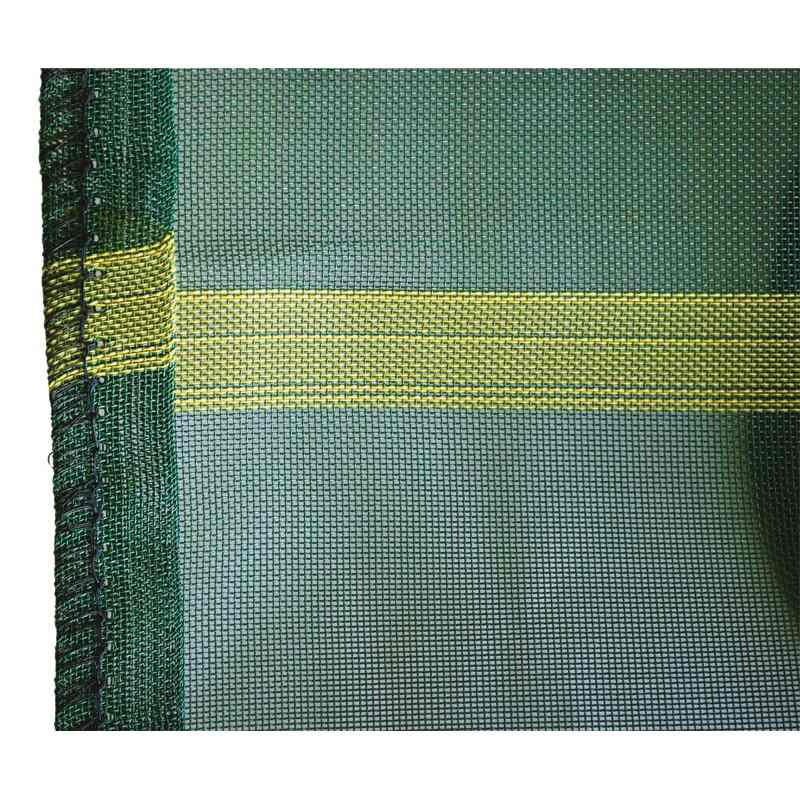
Label differently sized panels and keep their intended locations recoverable after removal. Similar-looking nets may fit different silo sections, and repeated trial-and-error handling creates unnecessary wear.
Store the layout with the operating instructions and check identification before the next season. Material identity also helps connect a damaged area to the correct replacement product. A simple label is useful only if it survives the planned cleaning and storage conditions.
A useful checkpoint for silo net is a panel identification and seasonal layout map. Check that it describes the actual proposed arrangement. If the package still depends on mixing differently sized panels without recoverable labels, return that point for clarification before accepting the corresponding work.
When a cover problem is found, remove or secure the protective layer so the sealing film can be inspected properly. Follow the film repair instructions and verify the area before replacing the net and ballast.
A net patch cannot repair a hole in a separate airtight layer. Record recurring damage locations and check whether handling, debris or a local edge detail is responsible. This makes maintenance a correction of the cause as well as the visible damage.
For silo net, request a film inspection and repair sequence. Use it to resolve the risk of patching the net while leaving underlying film damage unresolved before the next activity begins. Keep the accepted basis available to the team carrying out this part of the work.
Compare quotations with the same dimensions, construction, edge treatment and accessory scope. State whether sizes are nominal and how tolerances are handled.
Distinguish a material-only offer from an installed system with supports or attachments. Include packing and handling expectations where large panels are involved. A price comparison becomes misleading if one quote includes reinforced edges or closures and another leaves those items to be sourced separately at the farm.
The silo net review should produce a comparable supply-scope schedule. This makes the decision about quotations and supplied sizes traceable and helps prevent comparing net prices with different edge and accessory scope. Agree who prepares the evidence and who reviews it before work proceeds.
Check dimensions, identification, construction and visible damage against the approved order. Use a retained sample when it helps distinguish similar net grades or bag fabrics.
Keep measurement methods consistent and record disputed items before deployment. Receiving inspection should identify the delivered configuration rather than relying on packaging color. Where a claimed property is critical, request the relevant evidence and its test basis instead of substituting a visual opinion.
A useful checkpoint for silo net is a receiving checklist and product identification. Check that it describes the actual proposed arrangement. If the package still depends on accepting the shipment from packaging appearance alone, return that point for clarification before accepting the corresponding work.
Define a practical repair method and decide when damage requires replacement. Keep inspection records simple enough to be used during routine farm work.
Identify the affected panel or bag and the reason for its disposition. A repair should preserve the intended opening, closure or protective function instead of merely covering the visible hole. Recheck adjoining attachments when a defect suggests excessive tension, abrasion or a recurring operating problem.
For silo net, request a repair method and panel-level maintenance record. Use it to resolve the risk of patching damage without investigating a recurring cause before the next activity begins. Keep the accepted basis available to the team carrying out this part of the work.
Compare silo net proposals on a common basis. The table below connects the principal decisions in this guide to the evidence that should support them. It is an assessment framework, not a claim that a particular product or installation has already passed these checks.
| 决定 | 比较的证据 | 解决差距 |
|---|---|---|
| Plan silo dimensions and access | Developed cover dimensions and access plan | Ordering net area from silo floor dimensions alone |
| Inspect reinforced net edges | Edge and handling-point inspection | Adding improvised attachment holes to a protective net |
| Seasonal reuse and cleaning | Seasonal condition check and storage arrangement | Promising a fixed reuse count regardless of condition |
| UV and weather exposure | Exposure assumptions and condition-based replacement plan | Treating UV stabilization as a fixed lifetime guarantee |
Suppose two offers use the same silo net keyword but describe different arrangements. One includes a developed cover dimensions and access plan, while the other provides only a general description. Ask the second supplier to clarify the same requirement before treating the offers as equivalent. Then compare inspect reinforced net edges and seasonal reuse and cleaning on the agreed basis. This hypothetical example illustrates the review sequence; it does not assign a passing result to either offer.
对于技术讨论,请审查 HDPE Silo Net product page 和 相关产品系列. Use those pages to identify the material or equipment being discussed, then send the actual application, drawing and required evidence for confirmation. The silo net purchase description should preserve any project-specific conditions that remain subject to technical review.
如需进一步阅读,请咨询 FAO guidance on ensiling crop residues. Use the relevant publication within its stated scope and check the applicable edition. The silo net submittal still needs evidence for the proposed product and project; an external reference is not a certificate or approval of this shipment.
Send Taiji your silo net application and the current drawings, along with the required quantity, delivery destination and planned construction or operating sequence. Include the questions raised by planning silo-net sizes and overlaps, especially the developed cover dimensions and access plan and edge and handling-point inspection. A clear brief helps the team discuss a suitable supply configuration and the documentation needed for your review.
Start with a protection system that remains practical during farm work. For the topic covered here, prioritize plan silo dimensions and access and request a developed cover dimensions and access plan. The decision should fit the actual application rather than depend on the product name alone.
Request a edge and handling-point inspection and a seasonal condition check and storage arrangement. Keep the proposed product or equipment identity visible so the records can be related to the delivered goods and intended method. Ask for clarification where those records describe different conditions.
Use common scope, property definitions and project assumptions. Compare uv and weather exposure alongside keep cover materials identifiable, and resolve missing evidence before relying on a price difference. Similar wording in two quotations does not establish equivalent arrangements.
Avoid ordering net area from silo floor dimensions alone. Also check for patching the net while leaving underlying film damage unresolved. These issues concern how the product or procedure is used, so reviewing the installation or operating sequence is as important as checking the supplied description.
Send the application, relevant drawing, quantity or work area, location and intended schedule. Add the information needed for quotations and supplied sizes and product receiving checks. State any required test evidence so the response can address the actual project scope.
项目支持
Tell我们关于应用、材料要求和发货目的地,我们会以实用的产品指导予以回应。.