Проектное расследование
Расскажите нам о своем проекте
Поделитесь типом продукта, применением, размерами, количеством и местом доставки. Наша команда ответит практическим руководством по продукту и поставкам.

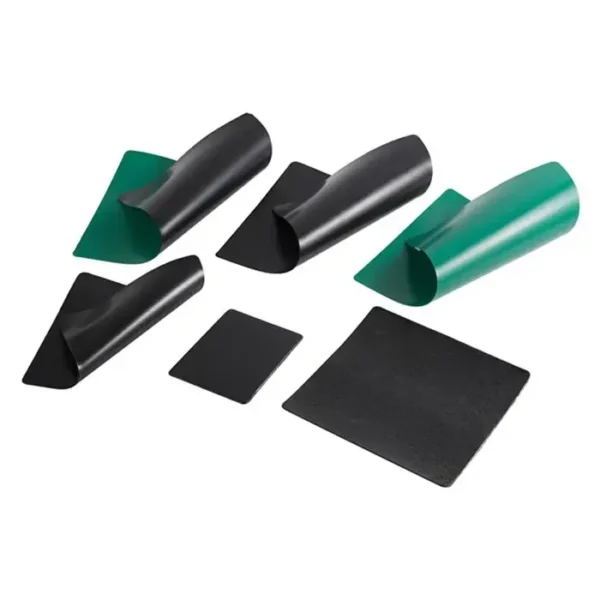
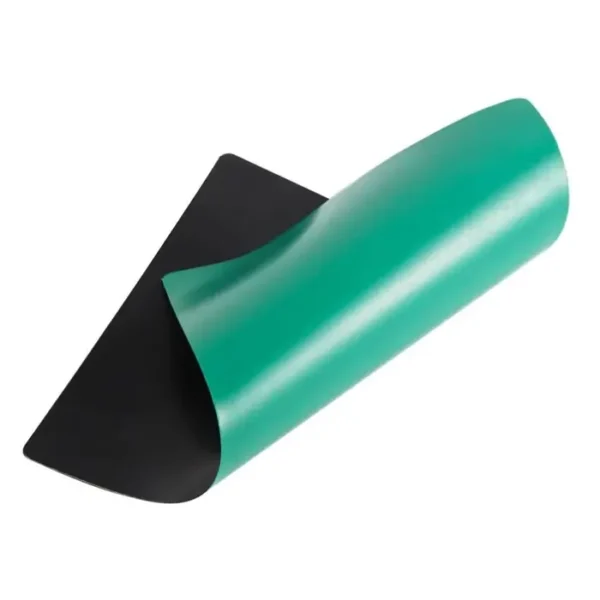
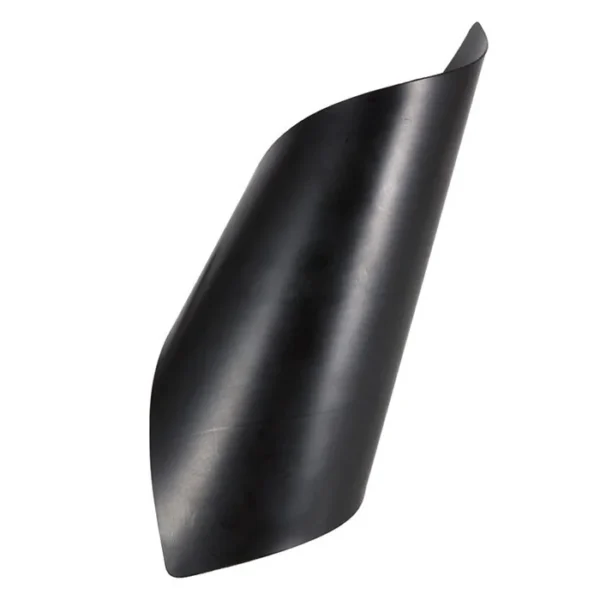
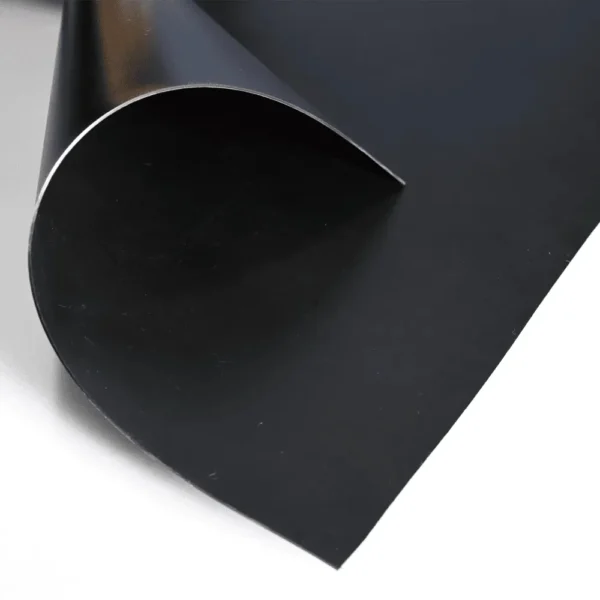
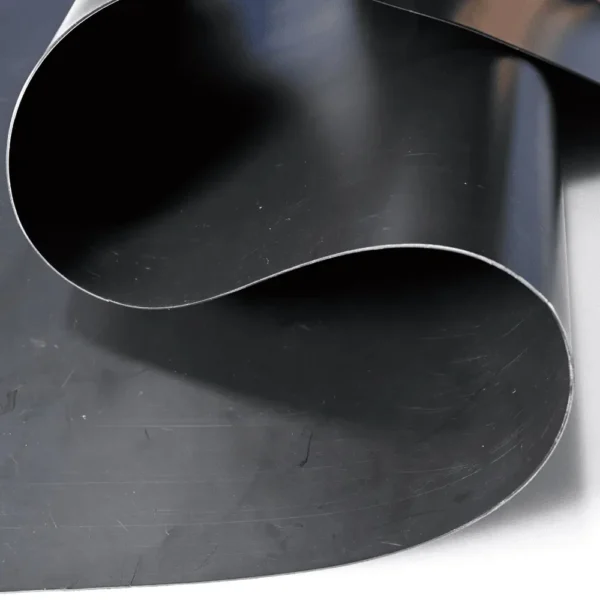
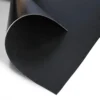
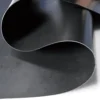
Flexible linear low-density polyethylene liner with high elongation and low-temperature performance for aquaculture, soft ground, irregular basins and landfill covers.
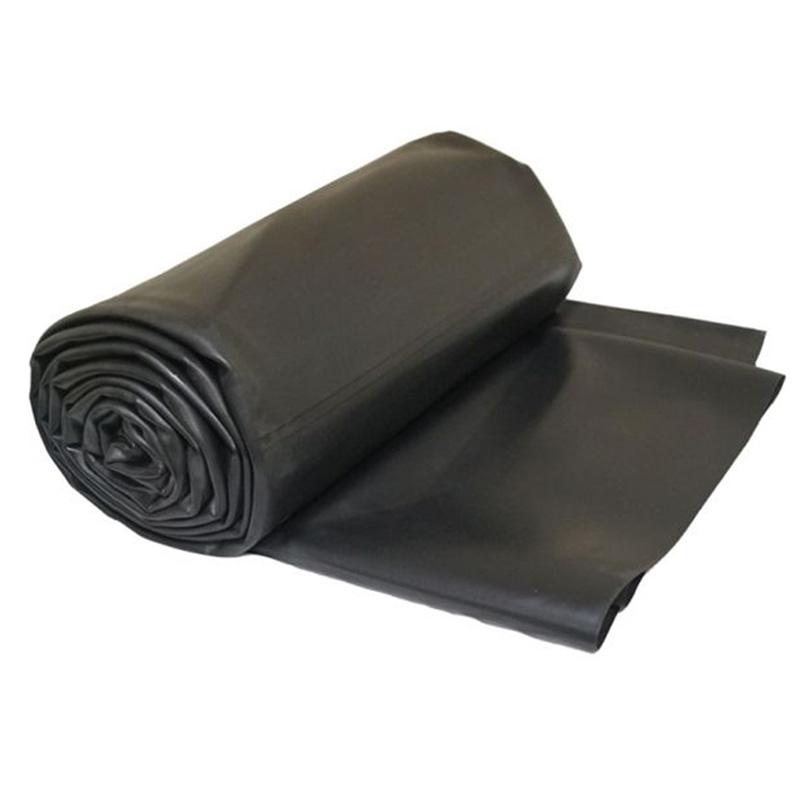
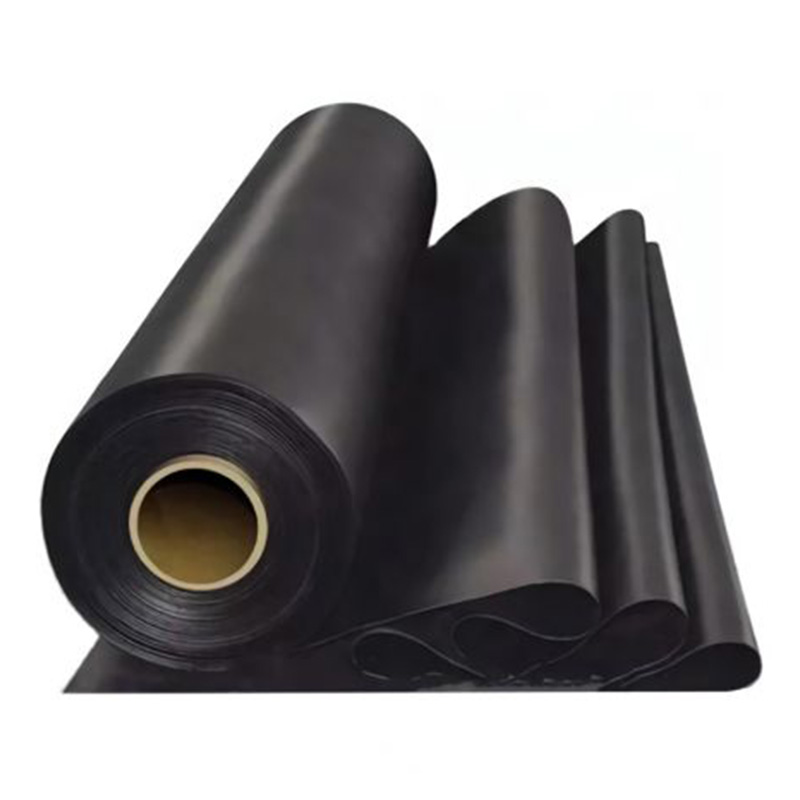
LLDPE geomembrane (Linear Low-Density Polyethylene geomembrane) is an impermeable geosynthetic liner produced from LLDPE resin mixed with antioxidant and UV-stabilized carbon black via extrusion-blowing or calendering process. Compared with HDPE geomembrane, LLDPE features outstanding flexibility, high elongation at break and excellent low-temperature resistance. It adapts well to differential foundation settlement and irregular subgrade without easy cracking. It delivers zero water permeability and good acid-alkali chemical resistance, and can be hot-welded on site. Common thickness ranges from 0.5mm-2.0mm, popular sizes: 0.5mm, 0.8mm, 1.0mm, 1.5mm, roll width 2-6m. Smooth surface is standard.
Swipe or scroll horizontally to view the complete table.
| Property | Unit | GRI-GM17 Minimum Requirement | Test Method |
|---|---|---|---|
| Density | g/cm³ | 0.915-0.939 | ASTM D1505 |
| Elongation at Yield | % | ≥ 12 | ASTM D6693 (Type IV) |
| Elongation at Break | % | ≥ 800 | ASTM D6693 (Type IV) |
| Carbon Black Content | % | 2.0 – 3.0 | ASTM D4218 / D1603 |
| Carbon Black Dispersion | Rating | Max Grade 3 | ASTM D5596 |
| Multiaxial Elongation | % | ≥ 30 | ASTM D5617 |
| Stress-Crack Resistance (SP-NCTL) | h | ≥ 500 | ASTM D5397 |
| Standard OIT | min | ≥ 100 | ASTM D3895 |
| High-Pressure OIT (HP-OIT) | min | ≥ 400 | ASTM D5885 |
| Property | Unit | 0.5 mm | 0.8 mm | 1.0 mm | 1.5 mm | 2.0 mm | Test Method |
|---|---|---|---|---|---|---|---|
| Tensile Yield Strength | kN/m | 8 | 12.8 | 16 | 24 | 32 | ASTM D6693 |
| Tensile Break Strength | kN/m | 14 | 22.4 | 28 | 42 | 56 | ASTM D6693 |
| Tear Resistance | N | 64 | 102 | 125 | 187 | 249 | ASTM D1004 |
| Puncture Resistance | N | 160 | 256 | 320 | 480 | 640 | ASTM D4833 |
Taiji supplies project-specific roll dimensions, surface options and formulation packages. Final selection should be confirmed against the operating environment, subgrade condition and installation plan.
LLDPE geomembrane is Linear Low-Density Polyethylene impermeable liner manufactured per GRI-GM17 standard. It is blended with antioxidant and carbon-black UV stabilizer, produced by extrusion-blowing process. It features high flexibility and ultra-high elongation.
LLDPE has better flexibility, higher elongation and superior low-temperature resistance, suitable for deformable foundation, aquaculture and landfill capping. HDPE is stiffer, with higher tensile strength and stronger chemical resistance, preferred for landfill primary liner, mining heap-leach pads and hazardous-waste projects. HDPE follows GRI-GM13, while LLDPE follows GRI-GM17.
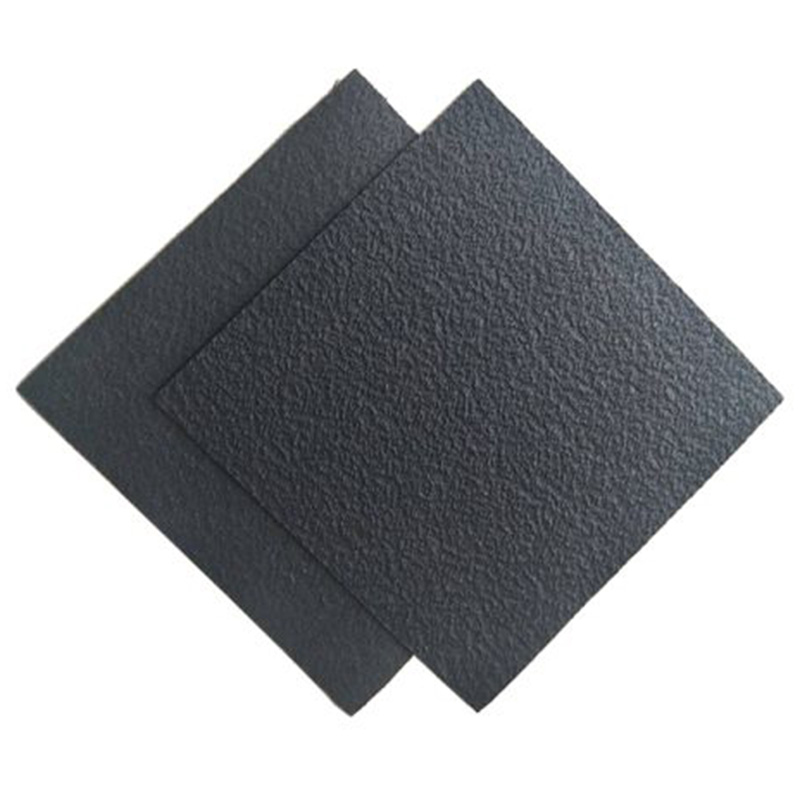
Yes, co-extruded textured LLDPE geomembrane is available upon custom order under GRI-GM17. Smooth LLDPE is the standard stock item for most projects.
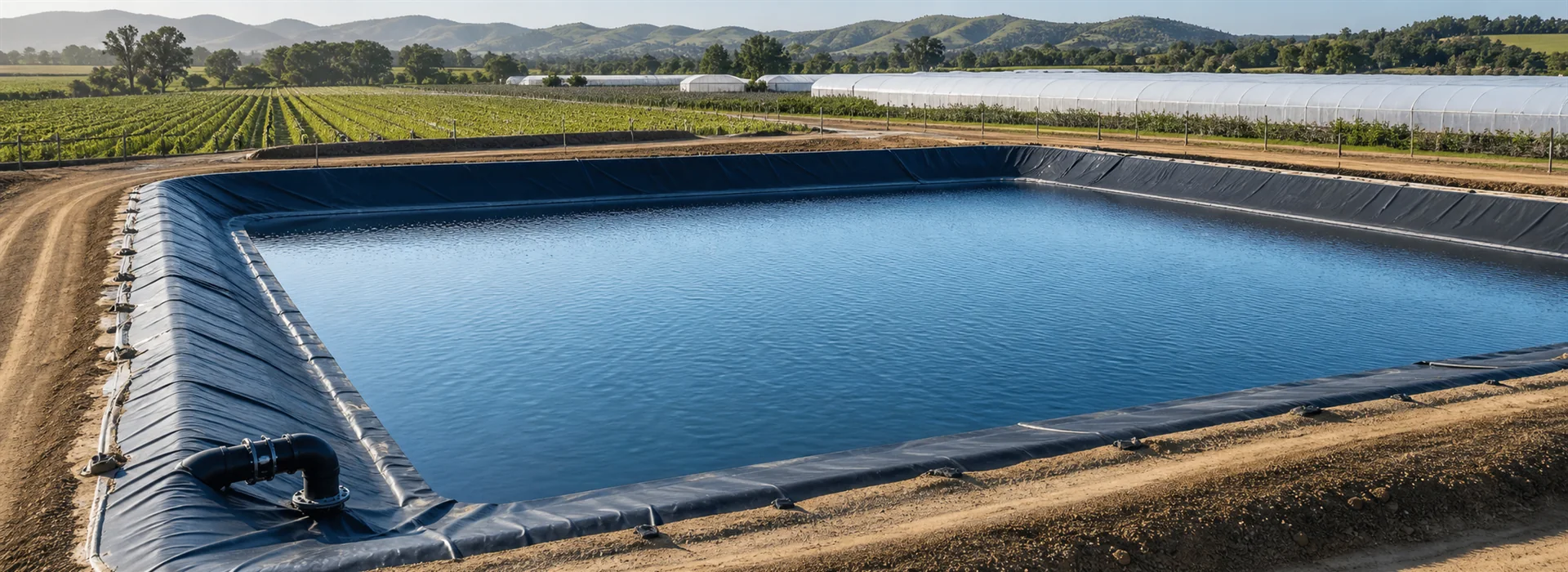
Main applications include fish & shrimp aquaculture ponds, landscape lakes, manure lagoons, landfill capping cover, secondary liner, temporary containment ponds, irrigation canals, cold-region anti-seepage projects and biogas floating covers. It is not recommended as primary liner for high-risk heap-leach or hazardous-waste projects.
0.5 mm-0.8 mm for short-term small ponds; 1.0 mm for medium-large aquaculture projects; 1.5 mm is selected for long-term service and complex foundation conditions.
Generally not recommended. HDPE geomembrane (GRI-GM13) is industry standard for landfill primary bottom liner. LLDPE is more suitable for capping cover layer and secondary liner.
Yes. Our LLDPE geomembrane is non-toxic, no harmful substance precipitation, safe for fish, shrimp and aquatic organisms. Smooth surface reduces algae attachment.
Yes. LLDPE liner can be welded by hot-wedge welder, extrusion welder and hot air gun. Welding temperature and speed need fine-tuned according to ambient temperature, different from HDPE welding parameters.
Yes. Geotextile cushion layer is required above and below the liner to prevent puncture by sharp stones and debris, especially for exposed or back-filled projects.
Thanks to its high elongation performance, LLDPE geomembrane tolerates differential settlement and soft ground deformation better than HDPE geomembrane.
For buried covered condition: service life over 25-30 years. For exposed outdoor condition with UV-stabilized formula: 8-12 years.
Manufactured in accordance with GRI-GM17 specification, test reports including tensile, tear, puncture, OIT, carbon-black content can be provided.
LLDPE keeps good flexibility under low-temperature environment, less prone to brittle cracking compared with HDPE, suitable for cold-climate projects.
Available thickness: 0.3 mm-2.0 mm; common sizes:0.5 mm,0.8 mm,1.0 mm,1.5 mm. Standard roll width: 2-8 m. Custom thickness, width and textured version are acceptable.
Price depends on thickness, surface type (smooth/textured), roll width and total order quantity. Please send your project requirements for formal quotation.
|
IN THE FIELD