Проектное расследование
Расскажите нам о своем проекте
Поделитесь типом продукта, применением, размерами, количеством и местом доставки. Наша команда ответит практическим руководством по продукту и поставкам.

Insights & Guides
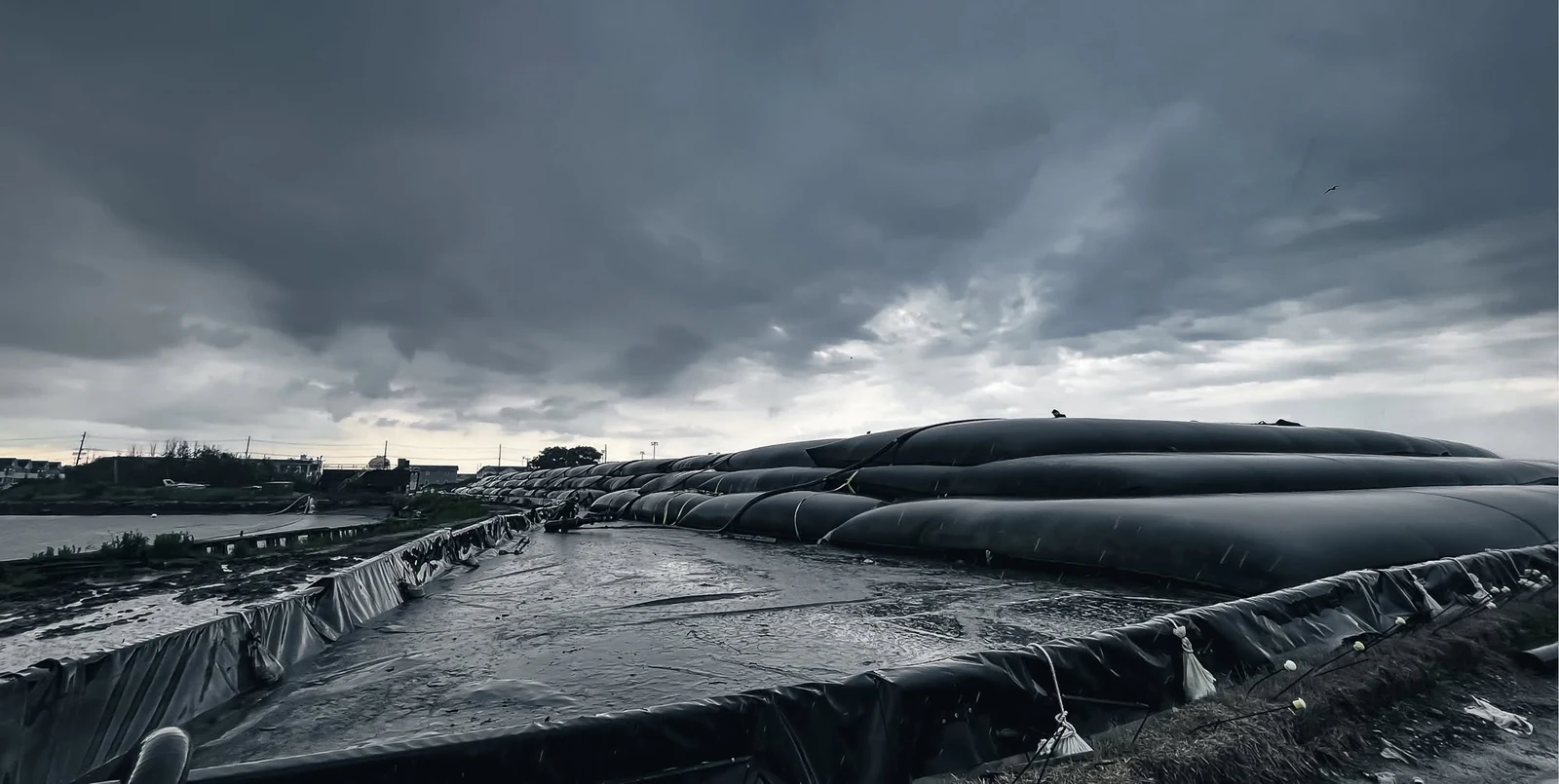
Geotextile tube dewatering is a passive solid-liquid separation process used to reduce the volume of sludge, slurry and fine-grained waste. High-strength permeable fabric retains solids while filtrate drains through the tube wall.
Slurry is pumped into the tube through one or more filling ports. The engineered textile contains the solid particles while water escapes through the fabric. Repeated filling and consolidation cycles increase the retained solids concentration and reduce the volume that must be transported or disposed of.
Efficient dewatering begins with representative testing. Project teams should understand the total volume, solids concentration, particle-size distribution and expected flow rate. Industrial and agricultural projects may focus on volume and contaminant concentration, while mining applications often use total tonnage as a primary planning measure.
A suitable polymer can bind fine suspended particles into larger flocs, improving retention and producing clearer filtrate. Not every slurry needs chemical conditioning, so bench testing and cost-benefit analysis are essential. Overdosing wastes chemical and can reduce performance; underdosing may lead to slow dewatering or poor solids capture.
The dewatering area should be smooth, stable and gently graded so filtrate drains without creating uneven stress on the tube. Edge channels or collection sumps should keep water from accumulating around the installation. Site containment should be sized for the complete operating cycle.
Position the tube carefully and follow the specified maximum filling height and pumping pressure. Overfilling can cause deformation, blocked ports or fabric failure. Alternating filling and rest periods allows drainage and consolidation to occur efficiently.
When correctly designed, geotextile tube systems can lower transport volumes, simplify sludge handling and use less mechanical equipment than conventional dewatering approaches. They can support municipal sludge, industrial wastewater, agricultural residues, dredged sediment and mine tailings projects.
Successful tube dewatering depends on material testing, correct textile and tube sizing, controlled polymer use, a well-drained pad and disciplined filling procedures. Professional supervision is especially valuable on large or variable projects.
Project Support
Tell us about the application, material requirements and delivery destination. We will respond with practical product guidance.